
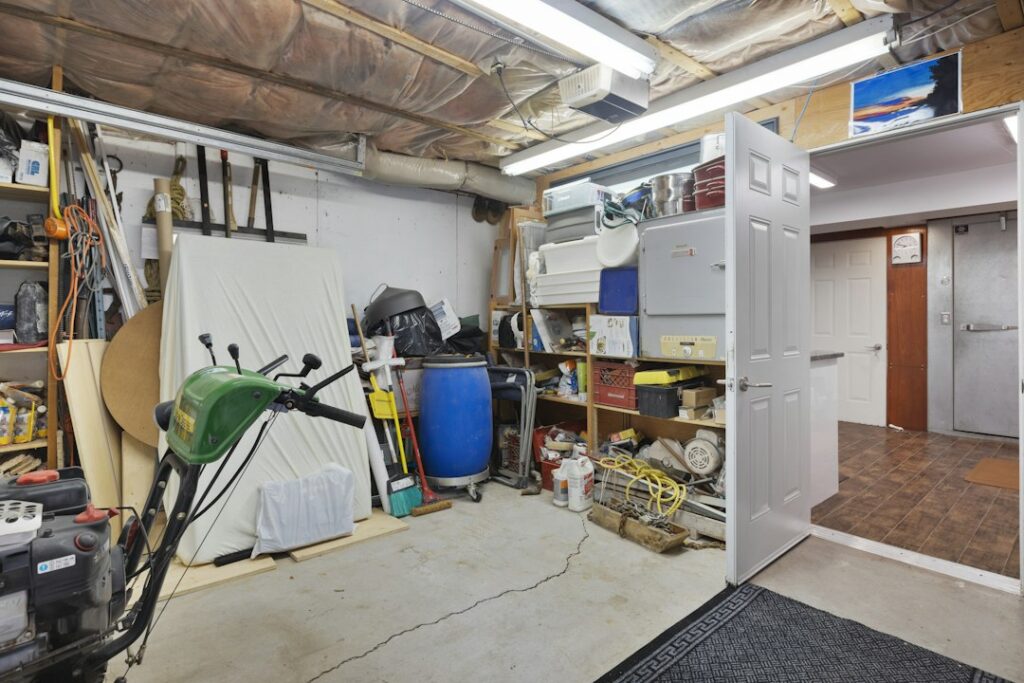
Water heater failures can range from a slow leak at a fitting to a sudden release that spreads through a garage, closet, hallway, or adjoining room. The cleanup plan depends on where the heater is located and how far the water traveled.
First: stop the water and energy source
If it is safe, shut off the water supply to the heater. Gas and electric water heaters have different safety considerations, so do not attempt repairs beyond your comfort level. A plumber may be needed to repair or replace the unit.
Check the surrounding materials
Water can soak drywall, baseboards, flooring, insulation, cabinet materials, and framing. In a garage, it may also travel under stored items or through wall cavities into an adjacent room.
Extract visible water
Standing water should be removed as soon as practical. After extraction, the restoration team should check whether moisture has moved beyond the visible wet area.
Dry the structure
Air movers and dehumidifiers may be used to dry walls, framing, and flooring. Moisture readings help determine whether materials are drying properly and whether selective removal is needed.
Repair damaged finishes
Once the structure is dry, damaged drywall, insulation, trim, paint, or flooring can be repaired. Water heater losses often require both mitigation and reconstruction.
Prevent the next surprise
Regularly inspect the area around the heater for corrosion, moisture, staining, or a pan that holds water. If a drain pan or drain line is present, make sure it is not blocked.
For active water heater losses, visit our water heater leak cleanup Las Vegas page or contact Presto for 24/7 assistance.