About Presto Water Damage
We are a local Las Vegas team. We handle water damage from the first call to the final repair. Day or night.
A real person answers every call. No call centers.
Who We Are
A local team you can reach any hour
Presto Water Damage helps property owners across the Las Vegas Valley. We clean up water damage and repair it. All from one team.
Water damage is stressful. It usually happens at the worst time. Our job is to make it simple and fast.
We answer the phone day or night. We arrive quickly. We explain each step in plain words.
We work on homes, rentals, and businesses. Small leaks and major floods. We treat every job with care.
Common jobs include burst pipe cleanup, mold removal, and flood cleanup.
How We Work
Fast response, honest work
We keep the process clear from start to finish. You always know what happens next.
- We answer 24/7Day, night, weekends, and holidays. A real person picks up.
- We move fastStanding water spreads every hour. We start extraction quickly.
- We use the right equipmentCommercial air movers and dehumidifiers dry your property fully.
- We repair the damageWe rebuild drywall, flooring, and trim. Not just dry and leave.
What matters to us
We treat your home like our own. We keep the site clean. We protect your belongings. We finish the job right.
- Clear, upfront pricing
- Careful, tidy work
- Honest advice at every step
Why Choose Us
Why Presto Water Damage is the best choice for water damage restoration in Las Vegas
Homeowners and businesses pick us for a few simple reasons.
- Local knowledgeWe know Las Vegas homes, slab leaks, and monsoon flooding.
- One team for everythingWe extract, dry, and rebuild. No handoffs.
- Fast arrivalWe are based in the Valley and respond quickly.
- Advanced equipmentWe dry your property fully and check moisture daily.
- Honest pricingClear quotes with no surprises.
- Real peopleYou always reach someone who can help.
Where We Work
Serving the entire Las Vegas Valley
Call any time. We cover Las Vegas and every nearby city.
Need water damage help in Las Vegas?
Call now and a crew will be on the way. We answer every day, all day.
On this page
About Us: Presto Water Damage Restoration Support
For independent information on moisture control, explore the U.S. Environmental Protection Agency’s mold resources. These resources provide background for questions you may want to discuss during a restoration visit. Our team can explain the proposed work for your property and how it connects to the cleanup, drying, and repair stages described below.
Learning about Presto Water Damage starts with understanding what happens after you call. Our Las Vegas team helps homeowners, rental owners, property managers, and businesses move from water cleanup to repairs. We serve Las Vegas, Henderson, and North Las Vegas, with additional coverage throughout the valley. Call 725-529-5195 for 24/7 emergency assistance and to discuss your property’s location and current conditions.
About us and the restoration stages we coordinate
A water loss can affect several parts of a building at once. Visible water on a floor may be only one part of the scope. We explain the affected areas, the proposed work, and the next decisions before moving through the project. Our water damage services include cleanup, drying, and rebuilding, with the work selected for the actual condition of your property.
For standing water, learn about emergency water extraction. For wet building materials, review structural drying and dehumidification. These are different stages: removing visible water does not by itself show that the materials beneath a finish are ready for repairs.
About us: clear information before reconstruction
Our approach connects emergency work with the repairs that follow. Before reconstruction, the team reviews the remaining damage and the proposed repair scope with you. A scope may include insulation, drywall, texture, paint, baseboards, flooring, trim, or cabinets, depending on what was affected. See our water damage repair and rebuild page for more information.
We explain what can be evaluated during the initial visit and what may need further inspection. Access, concealed damage, material availability, and changes in the affected area can influence the schedule. Ask for a written explanation of the planned work and any changes so you can make informed decisions throughout the project.
About us: homes, rentals, and commercial properties
Different properties need different coordination. In a rental, owners and occupants may need to agree on entry and work hours. In a business, equipment placement and access to affected rooms may need planning around operations. Our commercial restoration services support that discussion. Our project gallery offers another way to learn about the work shown on this website.
About us: questions to ask our restoration team
- What areas are included in the initial inspection?
- Which cleanup and drying tasks are proposed, and why?
- How will drying progress and changes in scope be explained?
- Who will coordinate repair work after mitigation?
- What access does the team need, and what information should I prepare?
These questions help turn a stressful call into a clearer plan. You can also review our service areas and water damage blog before contacting the team.
About Presto Water Damage: Frequently Asked Questions
Do you handle cleanup and rebuilding?
Yes. Our services cover extraction, drying, cleanup, and repair or rebuild work. The tasks needed depend on the condition of the affected property.
Which cities do you serve?
Las Vegas, Henderson, and North Las Vegas are core service areas. We also cover nearby valley communities listed on our service areas page. Call to confirm availability for your address.
What should I have ready when I call?
Share the property location, the apparent source of water if known, which rooms are affected, when you first noticed the problem, and any access restrictions. Photos can help explain the situation when requested.
Can I discuss a commercial property?
Yes. Tell us the building type, affected areas, operating hours, and the best on-site contact so we can discuss access and restoration planning.
To speak with the team about your property, contact Presto Water Damage or call 725-529-5195.
Five essential things to understand about our restoration services
The five points below explain how to use this website when evaluating a water loss: identify the immediate service category, understand the difference between drying and repairs, consider the type of property, prepare the information needed for a call, and review the proposed scope. They are starting points for a conversation with the team. The condition of your property determines which tasks are appropriate and which decisions need further inspection.
1. About us: matching services to the actual loss
A ceiling stain, standing water in a room, and damage around an appliance can lead to different restoration plans. Tell us what you can observe without assuming you must identify every affected material yourself. You may know that a water heater leaked but not whether water reached the adjacent wall. You may see a ceiling opening but not know how far the affected area extends. Describing those observations gives the team a more useful starting point.
We can discuss the service categories shown on the website and explain why a project may involve more than one stage. For example, extraction, drying, and reconstruction are related services, but they have different purposes. A proposed plan should explain what each stage includes. If the problem requires a separate specialist to identify or correct the source, ask how that work will be coordinated with restoration rather than assuming one visit resolves every part of the loss.
2. About us: coordinating drying and rebuilding
When learning about Presto Water Damage, one important distinction is the difference between addressing moisture and restoring finishes. Equipment can be part of the drying stage. Drywall, paint, flooring, and trim can be part of the repair stage. A property may look different at each stage, and a finished-looking surface does not replace the need to discuss the condition of the materials behind it. Ask which observations and records support moving from mitigation to repairs.
The team can explain the proposed sequence, the materials included in the scope, and which decisions are still pending. A project might need an initial mitigation scope followed by a more detailed repair scope. That is a useful distinction when comparing proposals. Compare the tasks, affected areas, and assumptions rather than only comparing the total amount. Two proposals may describe different work even when they refer to the same room or the same water event.
3. About us: planning for your property type
A single-family home, a condominium, a rental, and an operating business each have different access arrangements. In an occupied home, the discussion may include which rooms are available and where work will take place. In a condominium, building management may need to help arrange entry or address shared areas. In a rental, the owner and occupant may have separate responsibilities for scheduling. We encourage callers to identify these practical details early so the proposed visit can be planned clearly.
For a business property, tell us about operating hours, the affected rooms, storage areas, and people who need access. We can discuss the restoration scope alongside those arrangements. Do not assume every affected space can remain in use or that every job requires the same restrictions. Ask the team which arrangements apply to the proposed work. The aim is a clear plan that reflects the actual building and the work being considered.
4. About us: preparing for the first call
You do not need technical vocabulary to contact us. Tell us the location, the rooms involved, and what you noticed first. Explain whether the water source is known and whether water is still entering the property. If you have already spoken with a plumber, building manager, or another service provider, describe what has been checked and what remains uncertain. This helps avoid treating an assumption as a confirmed diagnosis during the initial discussion.
Also explain who can provide access and who will discuss the scope. If you are calling for someone else, identify your role and the best person for follow-up. The team can tell you what additional information would help. A short, accurate description is more valuable than guessing about hidden conditions. Photos can support that description when requested, but inspection may still be needed to determine the affected materials and the appropriate restoration steps.
5. About us: reviewing the written scope
Ask for a clear explanation of the work being proposed. Useful scope information identifies the affected rooms, the tasks included, and any known exclusions or conditions that may affect the next stage. If drying equipment is proposed, ask how the plan will be reviewed. If repair work is proposed, ask which materials and finishes are included. These questions help you understand the project before deciding how to move forward.
As work progresses, new observations may change the proposed scope. Ask how those changes will be communicated and reviewed. Keep the written scope, project communications, and information you receive together so you can refer back to them. This is particularly helpful when several people are coordinating the property, such as an owner, tenant, manager, and on-site contact. A shared understanding of the current plan reduces confusion about what happens next.
About us: comparing restoration information
Water damage websites often list many service names. Start with the condition you can see: water on a floor, damage around a leaking appliance, a wet ceiling, or materials that need repair after cleanup. Then use the related service page to understand the vocabulary. You do not need to decide which equipment should be used or calculate the entire scope before calling. Those questions belong in the property-specific discussion and inspection process.
Next, review the company information and the local coverage pages. Confirm that the team can discuss your location, property type, and the work you need. Ask who will explain the plan, who will coordinate the stages, and how you can raise questions during the project. Clear answers about the process are useful alongside the service descriptions. The website is an introduction; the proposed scope should explain how the services apply to your particular property.
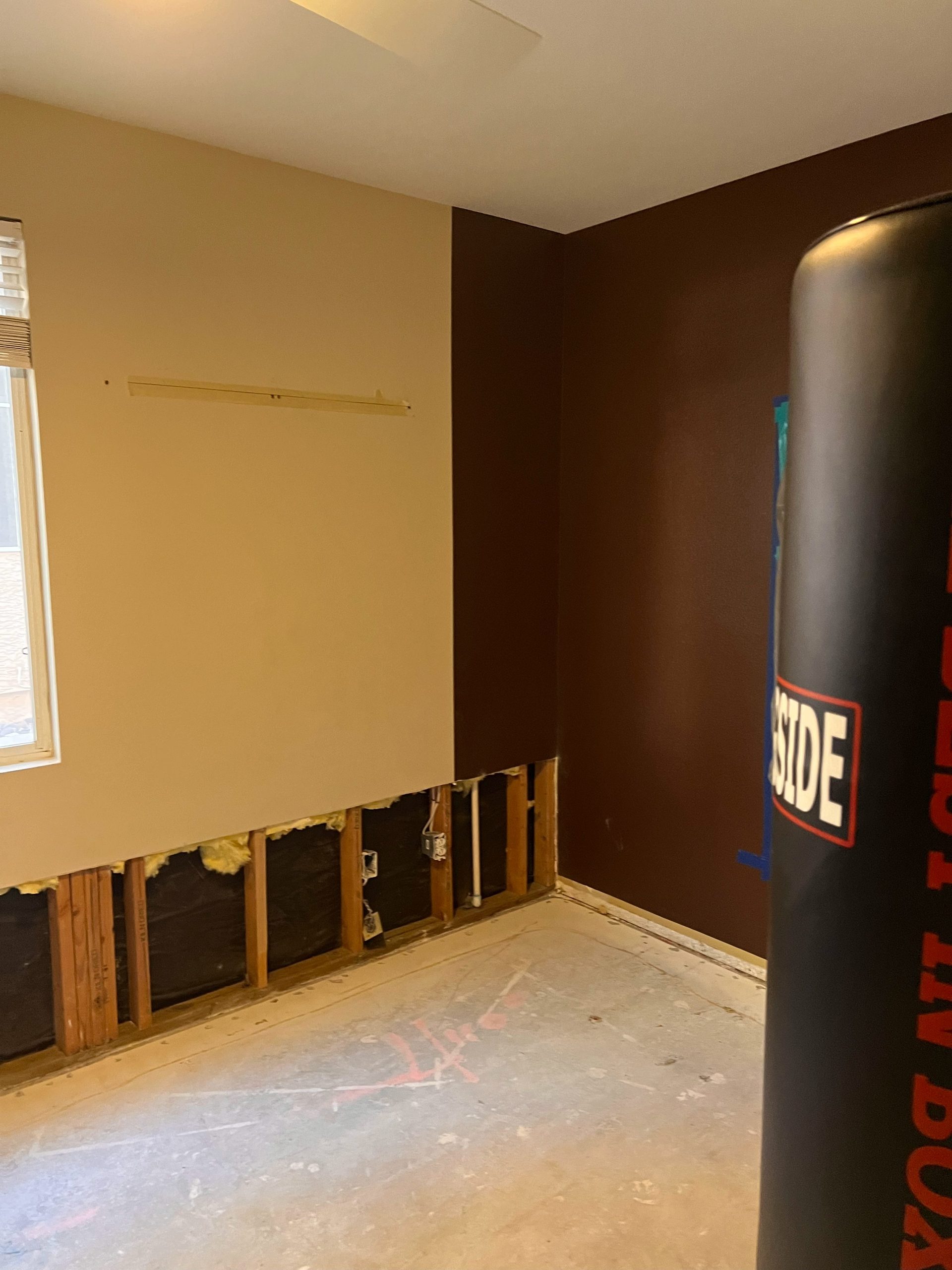
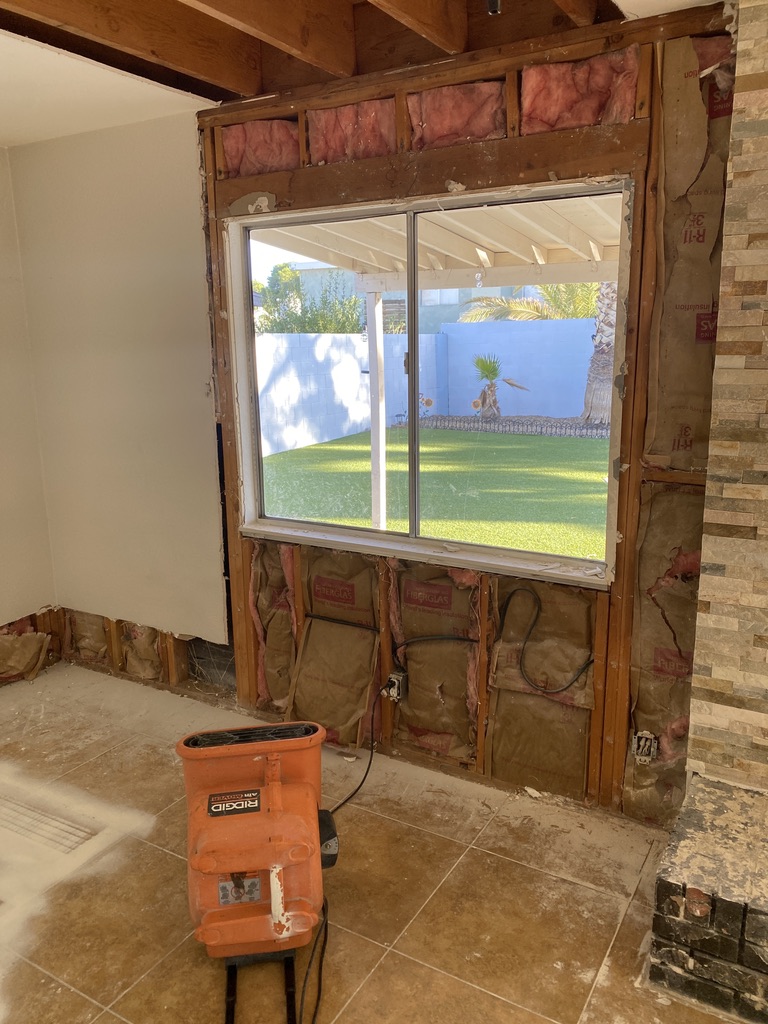
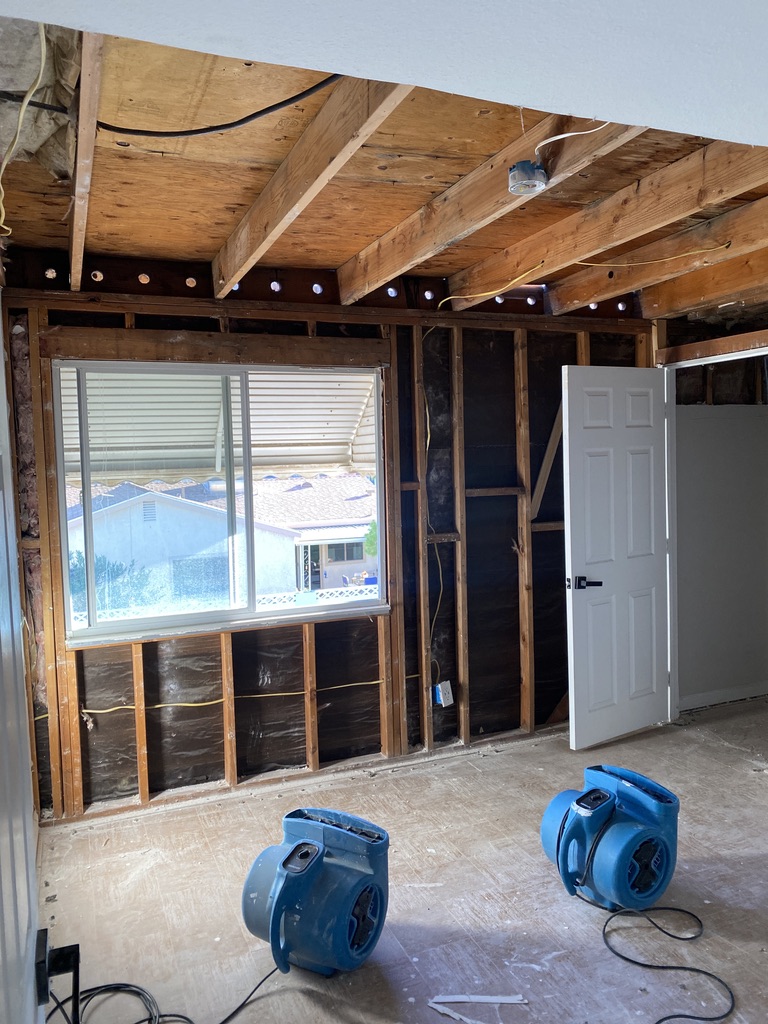
Finally, use the project gallery as visual context rather than as a prediction of your own repairs. An opened wall or a room with drying equipment shows one stage of a project. Another property may need a different sequence or different materials. Ask what the images help illustrate and which parts of the process are relevant to your situation. This keeps the discussion focused on your property instead of assuming every restoration job should look the same.
About us: arranging a homeowner visit
Have a contact number available and confirm the property location. Make sure the person arranging entry understands the agreed arrival arrangements. Tell the team about building entry procedures, parking, stairs, or other access details that may affect the visit. If several rooms are involved, prepare a short list of the areas you want to discuss so an obvious stain does not become the only topic of conversation.
Gather the information you already have about the event, such as when it was first noticed and what source-related work has been performed. You do not need to create a technical report. An accurate timeline helps explain what is known and what remains uncertain. If you have earlier photos, written observations, or a prior scope, tell the team they are available. Ask how and when to share them rather than sending unrelated personal documents.
Also think about practical questions you want answered: which rooms are included, what access is needed, how the next stage will be scheduled, and how scope changes are discussed. If the property is rented or managed, confirm who will review the proposed work. Preparing those questions can make the visit more useful. The team can then focus the discussion on observations, proposed tasks, and decisions that apply to the actual property.
About us: working with rental owners and managers
For a rental, a clear point of contact helps coordinate the initial visit. Explain who owns or manages the property, who occupies it, and who can arrange entry. Tell us whether the occupant has reported damage in more than one area. If another party has inspected the leak source, share that context during the call. Avoid assuming the occupant, owner, and manager all have the same information about the event or the proposed repairs.
Ask how project updates will be shared with the people responsible for the property. A manager may need a written scope while the occupant needs scheduling information. These are related but different communications. Clarifying the appropriate contact for each purpose helps the work move forward with fewer mixed messages. The team can discuss access and restoration planning while you confirm the authorization arrangements relevant to your own property.
About us: discussing commercial properties
A commercial call is more useful when it includes the building type and the affected spaces. Tell us whether the loss involves an office, retail area, storage room, tenant space, or another part of the building. Explain which areas need access throughout the day and which people coordinate the property. This provides context for discussing inspection, equipment placement, proposed removal, and repair planning without assuming the entire building has the same requirements.
Ask which stages can be planned immediately and which depend on further observations. The team can discuss the restoration work while you coordinate business-specific questions with the appropriate people. If a landlord, tenant, manager, or separate service provider is involved, identify that relationship early. A clear list of contacts and a shared understanding of the proposed scope can help keep the discussion organized across the different stages.
More questions about us and our restoration services
Can I ask about us before the full damage is known?
Yes. Describe what you can see and what you know about the event. The purpose of the first conversation is to discuss the next step, not to require you to produce a complete restoration diagnosis. Explain the affected rooms and any uncertainty so the team understands the limits of the information available.
Should I review service pages before contacting you?
You can use the service pages to learn the basic terms, but you do not need to finish reading the website before calling about an active problem. The services hub, coverage pages, and contact page provide different starting points. Choose whichever helps you explain the property and the work you want to discuss.
Does the website determine my final repair scope?
No. Website descriptions explain service categories and the general process. Your property requires its own evaluation and proposed scope. Ask which tasks apply, which conditions have been confirmed, and which decisions remain open. This helps keep the proposed work grounded in the actual loss.
How do I discuss the next stage after cleanup?
Ask what remains to be evaluated, whether repair planning can begin, and what information you need to review. The team can explain how the cleanup and drying stages connect to reconstruction. Keep the current written scope available so everyone is discussing the same rooms, materials, and proposed tasks.
Examples of Our Restoration Work
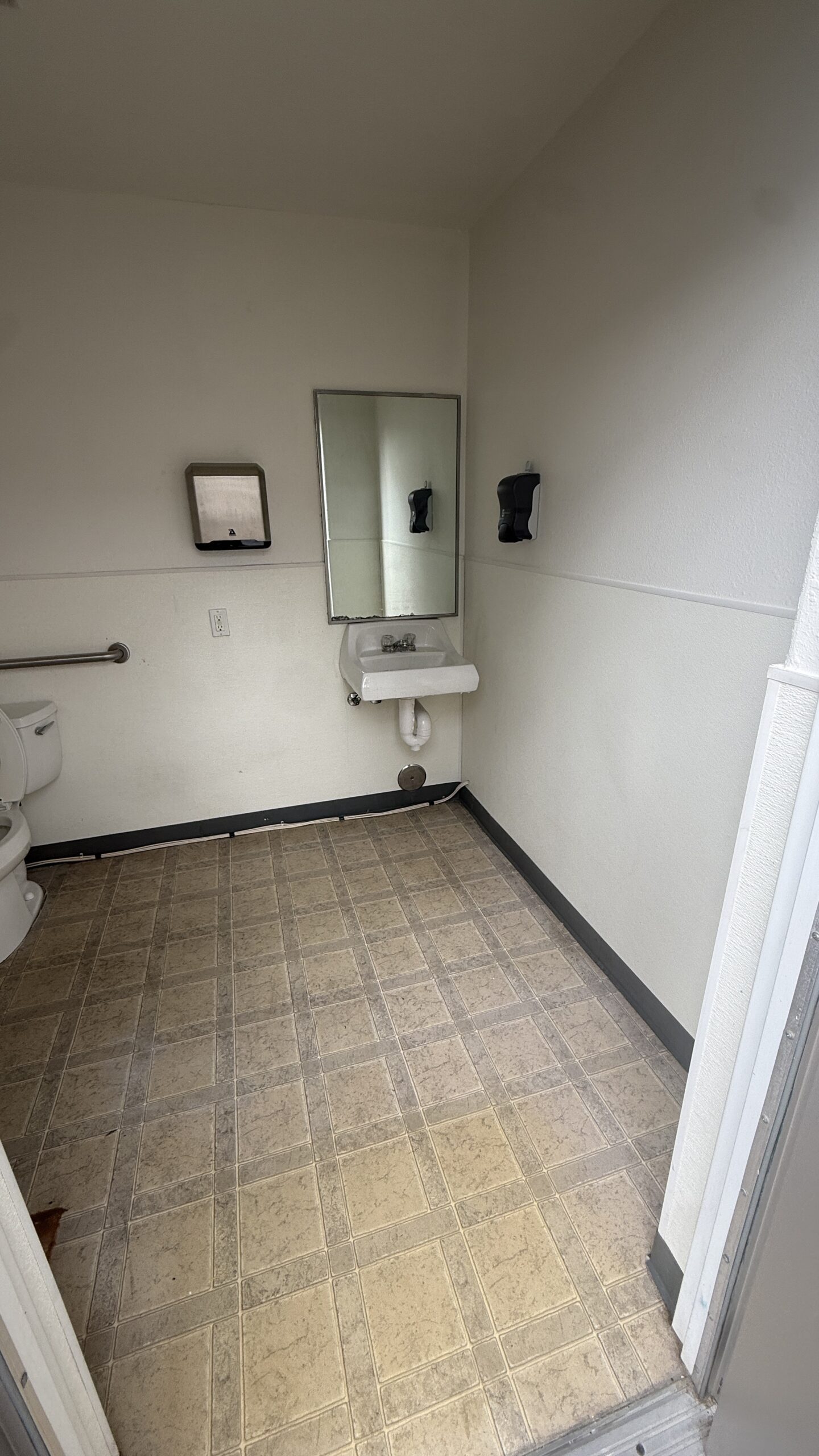
These project photographs illustrate commercial restoration, drying and preparation for repairs. The scope for each property depends on its own inspection findings. Browse our project gallery for more examples.