
Wet drywall does not always need to be removed, but it should never be judged by appearance alone. The answer depends on the water source, how long the material stayed wet, whether insulation is involved, and whether the drywall has lost strength.
When drywall may be dried in place
Drywall affected by a limited clean-water leak may sometimes be dried if the board remains firm, the paper facing is intact, and moisture can be removed from the cavity. Moisture readings are important because the surface can feel dry while the core is still damp.
When removal is more likely
Removal may be necessary when drywall is soft, swollen, crumbling, badly stained, contaminated, or trapping wet insulation. Ceiling drywall that is sagging should be treated cautiously because water adds weight and can weaken the panel.
What about insulation behind the wall?
Wet insulation can slow the drying process. Depending on the material and amount of saturation, selective drywall removal may be needed to access the cavity and allow proper drying.
Why painting over a wet wall is a bad idea
Primer and paint can hide staining but do not remove moisture. Trapped water can continue to affect framing, insulation, and finishes behind the surface.
Repair comes after drying
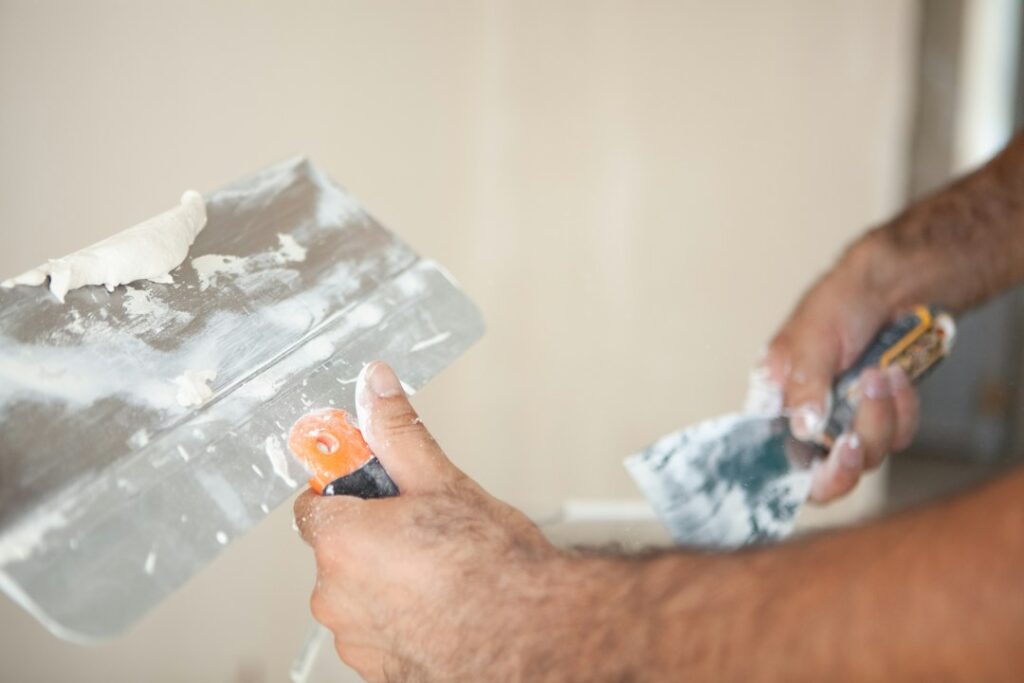
Once moisture levels are under control, damaged sections can be replaced, textured, primed, and painted. For combined mitigation and rebuild, see our drywall water damage repair Las Vegas service.