
Appliance Leak Water Damage Centennial Hills, NV
Presto Water Damage provides appliance leak water damage in Centennial Hills and nearby Southern Nevada communities. Dishwashers, refrigerators, washing machines, and supply connections can leak slowly or fail suddenly, allowing water to spread under cabinets and flooring. Centennial Hills properties range from newer homes to larger residential layouts where supply-line leaks, appliance failures, and water-heater losses can affect multiple rooms quickly.
On this page
Appliance Leak Water Damage Centennial Hills: Hidden Moisture Checks
Appliance leak water damage Centennial Hills service calls should include the cabinet bases, flooring edges and adjoining rooms, rather than stopping at the puddle beside the machine. A dishwasher connection can release water behind a toe kick, while a refrigerator supply line can wet the wall behind the appliance. A washing machine leak may reach the hallway before the laundry room looks badly affected.
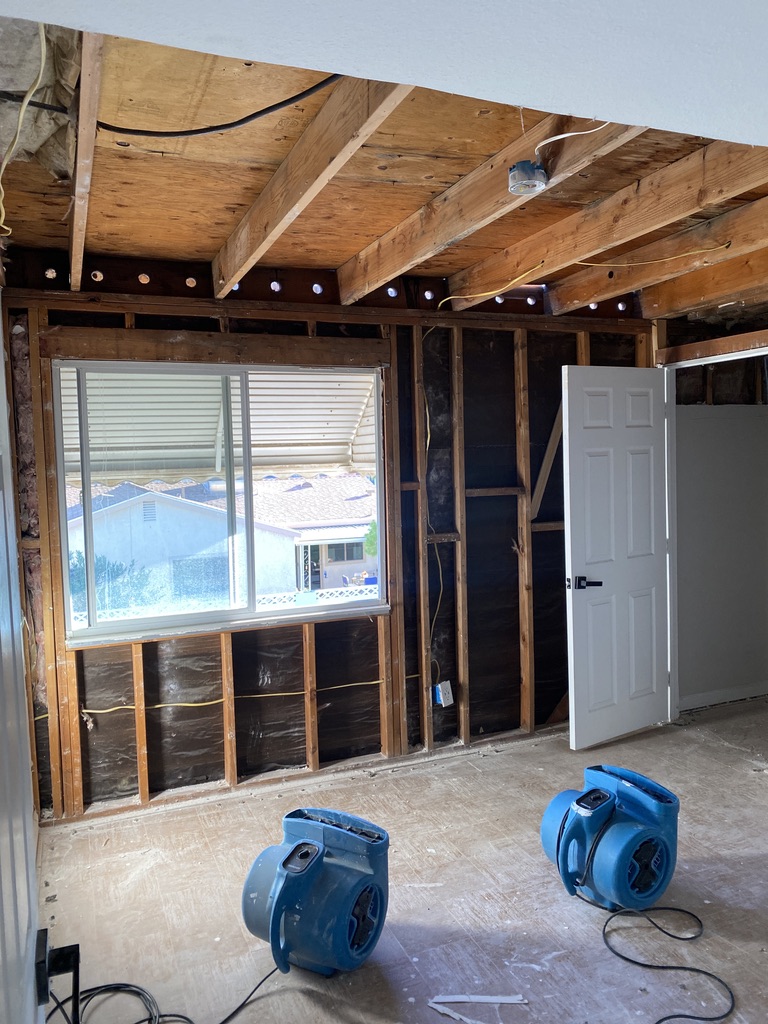
For appliance leak water damage Centennial Hills homeowners can discuss both the immediate cleanup and the work needed after drying. The appliance or supply connection must be corrected separately so the same area does not become wet again. Do not assume that replacing the machine means the flooring underneath it has dried.
Water Leak Observation Questions
Signs of a water leak include swelling at cabinet bases, damp floor edges and new stains in adjoining rooms. To detect water leaks, a qualified repair provider checks the appliance and its connections while restoration staff assess affected materials. Do not move a heavy appliance to find a water leak yourself. The inspection may need access beneath the machine to trace moisture hidden from the doorway.
Does wet flooring always need replacement?
No. The decision depends on the flooring, its condition, the water involved and whether moisture can be removed from underneath. Swollen laminate, loose flooring and wet underlayment need individual evaluation. An appearance check alone cannot show the condition of a concealed layer.
What information helps when requesting service?
Tell us which appliance leaked, when it was discovered, whether the water has stopped and which rooms are affected. If accessible without entering a hazardous area, photos of the room and visible damage help explain the situation. Keep appliance repair records and any information about prior leaks for the project file.
When can cabinets and drywall be repaired?
Repair planning follows the moisture assessment. Finishes should not conceal unresolved wet materials. The repair scope may include cabinet components, drywall, baseboards or flooring, depending on what the inspection finds. Ask for the mitigation and rebuild scopes to be explained separately.
The EPA guide to moisture and mold explains why correcting a moisture source matters. For related local help, see Centennial Hills water damage restoration, appliance leak restoration services and water-damaged drywall repair.
Request Appliance Leak Water Damage Centennial Hills Help
Call 725-529-5195 to discuss appliance leak water damage Centennial Hills cleanup, drying and repair. Explain the active water leak and affected materials so Presto Water Damage can help identify the next step.
Appliance Leak Water Damage Centennial Hills: A Practical Repair Plan
A useful restoration plan identifies three separate issues: what released the water, what became wet, and what must be repaired after drying. Those issues are related, but they are not the same job. An appliance technician may replace a hose without inspecting the floor assembly. A new baseboard may hide a damp wall. Presto Water Damage can discuss the cleanup and damaged building materials while the appropriate repair provider addresses the appliance or plumbing source.
Dishwasher Leaks Around Kitchen Cabinets
Water can move below a dishwasher, under the cabinet toe kick and along the floor edge. The visible opening at the front of the machine may show only a small part of the affected area. During assessment, explain whether the water leak occurred during a cycle, after the appliance stopped, or continuously. That history helps the repair provider investigate the source and helps the restoration team understand how long the nearby materials may have been wet.
Cabinet evaluation should distinguish the finish surface from the cabinet box, toe kick and surrounding wall. Swelling, separated edges or softened components can affect the repair decision. Access behind or beneath a cabinet may be necessary, but the scope should explain the reason for any opening before demolition begins. Matching a cabinet finish is a separate consideration from drying the structure.
Refrigerator and Ice-Maker Supply Leaks
A refrigerator may conceal a slow supply-line water leak until water appears at an adjacent wall or flooring seam. If you know when the appliance was last moved, serviced or replaced, share that information. Photos from before the discovery may also help establish when a change first became visible. Avoid assuming that a small puddle means a small concealed moisture footprint.
For appliance leak water damage Centennial Hills inquiries involving refrigerators, tell us whether nearby baseboards, cabinets or the wall behind the machine have changed appearance. Include the type of flooring if you know it. Tile, vinyl, laminate and wood assemblies have different access and repair considerations, particularly when moisture has moved into an underlayment or wall edge.
Washing Machine Leaks and Laundry Rooms
Explain whether the water came from a supply connection, the machine or a drain overflow, if known. The source and the condition of the water influence the cleanup plan. A laundry room next to a hallway can allow water to reach several finish materials. In an upstairs laundry room, the ceiling below may also need evaluation even when the laundry floor no longer looks wet.
Include the location of the laundry room when requesting help. In a rental or managed property, tell the responsible manager about the leak and coordinate access. Any shared-wall or downstairs damage should be documented separately. The restoration scope should identify the affected rooms and materials rather than relying only on the appliance location.
What Happens to Flooring, Cabinets and Walls?
The goal is to evaluate each affected assembly and explain the proposed work. Appliance leak water damage Centennial Hills estimates should identify the materials involved, the access needed and the reasons for repair or removal. The decision should follow the actual condition of the property rather than an automatic assumption that everything must be replaced.
Flooring and concealed layers
A flooring surface can look better before the layer underneath has been evaluated. Ask whether the inspection includes transitions, perimeter edges and accessible adjacent materials. If flooring removal is proposed, ask which area is included and what happens to the underlayment and trim. Also ask how the replacement scope handles transitions into unaffected rooms.
Materials that remain in place need a practical drying and monitoring plan. Materials scheduled for removal need a defined demolition scope. Keeping those categories clear makes it easier to understand the estimate and the sequence of work. It also helps distinguish mitigation work from the finish choices that come later.
Drywall, insulation and baseboards
Lower walls may be affected even if the visible stain is limited. An assessment may include moisture readings near the appliance and in adjacent areas. Where access is required, the proposed opening should have a clear purpose. Rebuilding a wall can involve insulation, drywall, texture, primer, paint and trim; those finishes should be discussed as part of the repair scope.
For the next stage, review our drywall water damage repair service and repair and reconstruction options. The cleanup team and property owner should agree on the repair boundaries before finish work starts. Photos help record what was opened, removed and restored.
Drying progress and completion
Ask how moisture readings will be tracked and which materials are being monitored. Equipment placement and runtime should respond to the affected area and the progress observed. A fixed number of days cannot describe every situation. Access, material thickness, concealed layers and the extent of the leak all influence the project.
The structural drying process is separate from simply removing a puddle. Finishes should follow evaluation of the materials they will cover. For appliance leak water damage Centennial Hills projects, request a clear explanation of when mitigation is complete and which repairs are still outstanding.
5 Things to Review in an Appliance Leak Cleanup Estimate
- Affected rooms and materials: Confirm which rooms, cabinets, wall sections and flooring areas the estimate includes.
- Water removal and access: Ask what equipment or material openings are proposed and why they are needed.
- Monitoring and documentation: Discuss the photos, readings and progress records available for the work.
- Source repair: Clarify whether the appliance or plumbing repair is a separate service and who is handling it.
- Rebuild scope: Identify the drywall, paint, flooring, trim and cabinet work included after mitigation.
There is no single price that applies to every appliance leak. A contained event near a machine differs from moisture that has spread below cabinets, across several flooring types or into a room below. Discuss the visible damage and inspection findings before treating an initial estimate as the final scope. Any newly discovered affected area should be explained before additional work is authorized.
What should I keep in the project file?
Keep the discovery date, your photos, appliance repair information, estimates, invoices and restoration records together. If another company repairs the appliance, request a description of the work it performed. Avoid discarding records just because the visible water has been removed. A clear file helps everyone understand which services addressed the source and which addressed the building damage.
Can a tenant arrange cleanup?
A tenant should contact the owner or property manager promptly and clarify authorization and access. Tell us whether you own, rent or manage the property when you call. This helps coordinate the inspection and communicate the proposed scope to the person responsible for approving work. Building-specific requirements should be discussed before equipment or demolition is arranged.
Can restoration include an adjacent room?
Yes, the assessment should follow the affected materials rather than an arbitrary room boundary. Water found at a kitchen wall may relate to a leak behind a nearby refrigerator or dishwasher. The inspection findings determine whether an adjoining hallway, pantry, closet or other space belongs in the work plan. Separate room photos can make the scope easier to review.
For appliance leak water damage Centennial Hills cleanup, call 725-529-5195. You can also review our restoration services, the areas we serve and request service information. Presto Water Damage can discuss the affected property and the appropriate next step.
Planning Access and the Handoff to Repairs
Before an appliance leak water damage Centennial Hills inspection, explain any access restrictions that could affect the visit. A gated entry, an occupied rental, a tenant’s work schedule or a locked utility room can all affect coordination. Provide the property contact and explain who can authorize the proposed work. Sharing those details early helps avoid an inspection being delayed by an access problem.
Occupied homes and work areas
Discuss which rooms remain in use and which areas need to stay accessible. The team can explain the proposed work area and any equipment placement for the project. Ask how furniture, appliances and personal belongings will be handled before work begins. Where another service provider must disconnect or move an appliance, coordinate that step rather than treating it as an automatic part of every cleanup estimate.
If the property is occupied during restoration, request a practical explanation of the work sequence. The assessment, any approved material removal, drying checks and finish repairs may take place at different times. Knowing what happens next is more useful than a broad promise that every project will be completed within a fixed period.
Cabinet and flooring selections
Keep any available flooring specifications, leftover pieces, paint information or cabinet manufacturer details. Those records can help with repair planning. A replacement material may no longer be available in an exact match, and the repair scope should address that possibility before ordering. Discuss the desired finish and any decisions that need to be made before installation.
For appliance leak water damage Centennial Hills repair work, separate required restoration from optional upgrades. A change in flooring type, a new cabinet layout or an appliance upgrade can affect the scope. Ask for those choices to be identified clearly so the restoration work and your additional preferences can be reviewed on their own terms.
Checking the completed scope
At the end of the project, compare the completed work with the agreed scope and any approved changes. Review the affected rooms, repaired surfaces and any remaining items that another provider must complete. If a source repair was handled separately, keep its invoice with the restoration records. A room that looks finished does not by itself explain what was done behind the surface.
Ask for any available drying or project documentation relevant to your work. Keep the final estimate, change approvals, invoices and your own before-and-after photographs together. A clear record can be useful if you later service the same appliance, replace flooring or explain the repair history to a property manager.
Reducing confusion after a future water leak
Know where the appliance’s accessible water shutoff is located, and follow the manufacturer’s service and inspection instructions. Report recurring drips, unexplained moisture or changes around the appliance promptly. Do not rely on repainting a stain as proof that the water issue has been corrected. The source and the affected materials both deserve attention.
When comparing appliance leak water damage Centennial Hills services, ask direct questions about assessment, documentation, material decisions and the handoff to repairs. You do not need a technical vocabulary to request a clear scope. Describe what happened, ask what is being proposed and keep the written explanation with your project records. Presto Water Damage can discuss the local cleanup and repair work at 725-529-5195.
Examples of Access, Drying and Repair Preparation
These photographs from Presto Water Damage’s project gallery illustrate the kinds of exposed materials and drying work discussed on this page. Each property’s inspection determines its own scope.
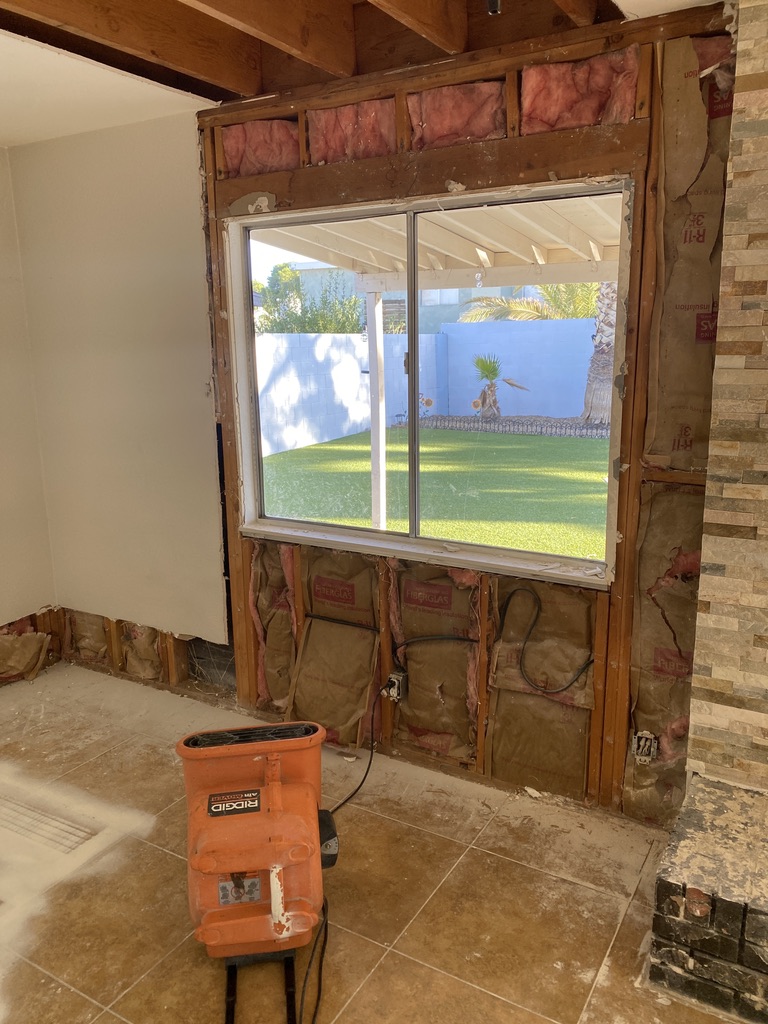
See more examples in the restoration project gallery.
Request Water Damage Help
If you have active water, recently discovered moisture, or need rebuild work after a loss in Centennial Hills, contact Presto Water Damage to discuss the next step. Early evaluation can help limit additional damage and make the drying and repair process more organized.
For appliance leak water damage in Centennial Hills, plan access before the assessment visit. Tell the team whether the affected room is occupied, whether an appliance has already been disconnected and whether anyone has opened the wall or floor. Keep the appliance repair invoice separate from the restoration estimate so the source repair and building repairs remain clear.
Photograph cabinet finishes and flooring transitions before selections are made, and ask how any retained materials will be protected during work. If there is a property manager, confirm who can authorize access and who should receive progress updates. Before the repair phase begins, review the agreed drying findings, removal boundaries and finish selections together. This gives everyone the same record of what is included and what still needs a separate decision.