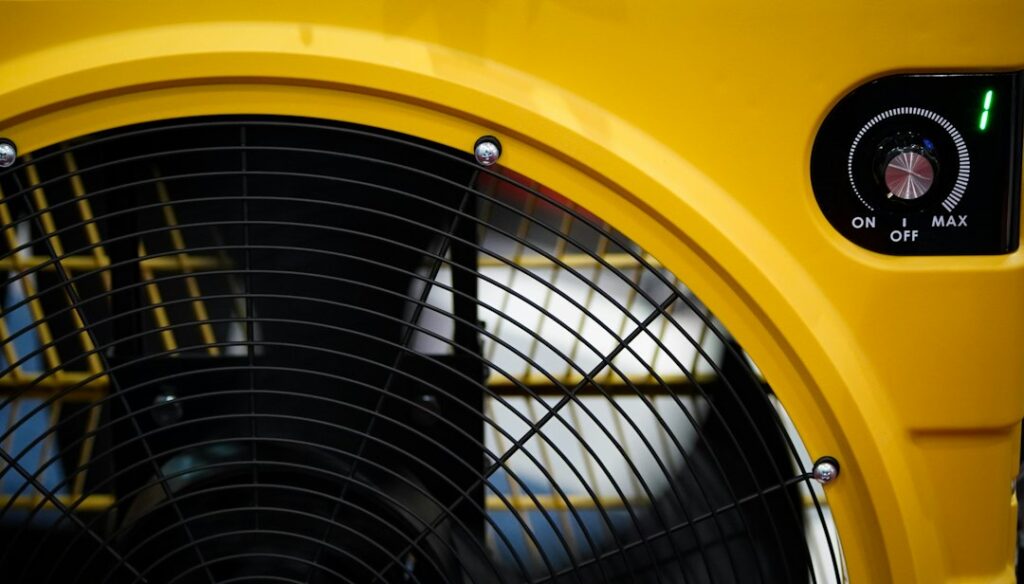
Bathroom water damage may involve concealed moisture beneath tile, behind a vanity or in the ceiling below. Structural drying should address the affected assembly after the tub, shower or plumbing source is corrected. Structural drying and dehumidification should follow source control and an assessment of affected materials. For bathroom water damage, ask which assemblies need access, which can be retained and how moisture readings will guide the repair sequence.
Bathroom water damage after a tub or shower leak can involve adjoining walls, flooring and the room below. Use these seven checks to organize the source investigation and repair plan for a Las Vegas property before new finishes conceal the affected area.
On this page
Structural drying services for bathroom water damage
Describe when the leak occurs: while a shower runs, when a tub drains, or even when fixtures are not in use. Give the plumber or repair professional this timeline instead of asking them to judge the cause from a ceiling stain alone. Supply connections, drains and enclosure details require different investigations. More than one condition may need attention in an older bathroom.
Keep the source assessment separate from the restoration estimate. Bathroom water damage cleanup evaluates affected building materials; the source repair corrects the defect that allowed water to escape. Ask who performs each task and what record will confirm completion. If the source is still only suspected, make sure the scope explains the next investigation step before demolition or finish work proceeds.
Advanced structural drying technologies and material checks
For an upstairs bathroom, tell the inspector about stains, dripping or sagging in the space below. Avoid standing under an unstable ceiling or trying to puncture it yourself. The responding professionals should establish safe access before inspecting the ceiling assembly. Take photographs from a safe location and note whether changes correspond to using a particular fixture upstairs.
The affected ceiling may not be directly beneath the failed connection. Ask how the inspection accounts for water traveling along framing or other concealed paths. The written scope should identify observed moisture, areas that need access and limits to the inspection. This helps explain why the visible stain and the proposed work area may have different boundaries.
3. Look beyond tile and grout
Tile surfaces can make bathroom water damage difficult to interpret because they conceal the materials behind them. Photograph loose surfaces, stains at adjoining walls and changes at the tub or shower perimeter. Do not assume that a new bead of sealant will address every possible leak. Ask the qualified repair professional which part of the assembly failed and what evidence supports that conclusion.
When an opening is needed, discuss how the surrounding finishes will be protected and how the opening will be repaired. Ask whether the proposal covers the full affected assembly or only a surface patch. Keep photographs of exposed layers. They help you understand the final scope and avoid selecting replacement finishes before the underlying condition has been evaluated.
4. Map bathroom water damage around the vanity and doorway
The vanity, toilet area, closet and doorway can be part of the same loss even when the first puddle appeared near the shower. Ask the technician to check the floor perimeter and adjoining room where the water path suggests it is necessary. Record which materials were inspected and whether cabinets or fixed fixtures limited access.
For bathroom water damage at a flooring transition, ask how the layers beneath the visible surface will be evaluated. A floor that looks unchanged may still require investigation, while a visible defect does not by itself determine the repair method. The assessment should explain both the material condition and the access needed to verify it before drying or replacement decisions are finalized.
5. Review the drying and removal scope
Ask which materials are being retained and how moisture will be removed from them. An enclosed wall, tiled surface and open room do not offer the same access. The plan should explain the drying path and monitoring points, rather than relying solely on the presence of an air mover. Discuss what findings would cause the team to change the scope.
If removal is proposed after bathroom water damage, ask whether it is needed because of contamination, physical damage, drying access or a combination of factors. Have newly exposed conditions photographed before they are covered. Tell the team about earlier leaks or repairs that may affect interpretation. A documented decision is more useful than a promise that every wet material can be saved.
6. Plan bathroom reconstruction in the right order
Before rebuilding, confirm that the agreed source repair and drying checks are complete. Ask how the repair will restore the affected wall or floor assembly and who is responsible for plumbing connections, waterproofing details and finish installation where applicable. Product selection should follow the assembly requirements and inspection findings, rather than simply matching the old tile’s appearance.
Bathroom water damage repairs may require coordination among several trades. Clarify who schedules each step, who verifies concealed work and when the bathroom can return to service. Discuss alternatives if the original tile or trim is unavailable. A written sequence helps prevent new finishes from being installed before another trade needs access to the same area.
7. Walk through the bathroom water damage repairs
At completion, compare the work with the estimate and photos. Check the visible finish, transitions to adjoining rooms and operation of doors or storage components affected by the repair. Ask the appropriate professional to explain any checks performed on repaired plumbing or enclosure details. Keep those records with the drying notes and source-repair documentation.
If a stain returns below the bathroom, note which fixture was used and when the mark appeared. Photograph the change and contact the responsible company. Do not treat a fresh coat of paint as evidence that the cause has been corrected. A clear history helps the next inspection distinguish a recurring issue from a new event elsewhere in the bathroom.
Bathroom water damage questions homeowners ask
Can I keep using the shower? Follow the source-repair professional’s instructions for the specific condition; continued use could interfere with the investigation or repairs. Does every leak require complete bathroom remodeling? Ask for a scope based on observed damage, access and the assembly being restored. The extent cannot be established accurately from one surface photograph alone.
Does a musty smell prove mold? It identifies a reason to investigate moisture, not a species or health diagnosis. Raise suspected growth with the restoration team and health concerns with a qualified health professional. How long will the bathroom be out of use? Ask for separate mitigation and reconstruction schedules, including product lead times and any inspection or trade coordination still needed.
Presto Water Damage serves Las Vegas, Henderson and North Las Vegas. Call 725-529-5195 or contact our team to discuss bathroom water damage. Licensed, Insured, Bonded.
Explore our water extraction, structural drying, repair and reconstruction, mold remediation, restoration services and service areas. See the EPA moisture and mold guide for general information about addressing moisture before restoring finishes.
Bathroom Water Damage: What Happens After a Tub or Shower Leak is a common question for property owners dealing with a leak or water loss in Southern Nevada. Tub, shower, valve, drain, and enclosure leaks can send water into walls, subfloors, ceilings below, and adjacent rooms. Bathroom water damage often requires both drying and repair because tile, drywall, backer materials, trim, and subfloor can all be involved.
Coordinate structural drying with water extraction where needed. Our repair and reconstruction team can discuss the next phase after structural drying checks are complete. See our service areas for local coverage. The IICRC water damage restoration standard provides the professional framework for inspection, structural drying and documentation. Keep records of bathroom water damage with the source repair and completion photos.