
Wet drywall may be suitable to retain in some conditions, while other losses require removal. These seven checks help Las Vegas owners understand the source, board condition and concealed assembly before deciding whether drying in place or replacement is appropriate.
On this page
Water damaged drywall repair: assessing wet drywall
Record where the water came from, when it was discovered and whether the source is still active. Give the restoration team the relevant plumbing, roof or appliance findings. The water’s appearance and the stain’s size do not establish the full contact history. Keep confirmed source information separate from an initial suspicion so material decisions reflect the actual loss.
2. Inspect affected drywall condition and location
Photograph accessible changes such as swelling, separation or surface damage without pushing on the material. Ask the professional which findings affect retention and which may be cosmetic. A stain alone does not determine the repair method. The assessment should consider the board, seams, facing and surrounding assembly rather than rely only on the painted room-side appearance.
3. Evaluate the cavity behind affected drywall
Ask whether insulation, framing or another concealed layer was affected. The visible face may improve while the cavity still needs assessment. Have the inspector describe which areas were checked and where access remains limited. If an opening is proposed, request its purpose and location and ask how surrounding finishes and occupants will be protected during the work.
4. Compare drying in place with removal
Ask which observations support retaining the wet drywall. Source history, contamination, physical condition and access can influence the decision. General clean-water guidance does not automatically apply to every loss. Have the restoration team explain how its approach fits the actual property and what uncertainty remains before approving a broad instruction to save or remove all drywall in a room.
5. Track drying of retained affected drywall
Ask how wet drywall drying progress will be monitored and how readings relate to the specific material and location. A surface feeling dry is not a complete assessment, and an isolated meter display needs context. The drying record should identify retained materials, inspection points and any access limitations. Equipment operating nearby is not by itself evidence that each concealed layer has been addressed.
6. Resolve suspected growth before affected drywall finishing
Tell the team about persistent odor or suspected growth before disturbing the affected area. Those observations warrant investigation but do not identify a mold species or health condition. Avoid brushing suspect material or directing household airflow at it. Ask how the findings affect the scope and who is qualified to evaluate any further questions specific to the project.
7. Coordinate the affected drywall repair sequence
Before closing openings, confirm the source work and agreed wet drywall drying checks. Have the estimate identify insulation, wet drywall replacement, joints, texture, primer and paint as applicable. Clarify whether trim or fixtures must be removed and reinstalled. Each trade should know when access is still needed so new surfaces are not installed before plumbing or electrical work is complete.
Presto Water Damage serves Las Vegas, Henderson and North Las Vegas. Call 725-529-5195 or contact our team to discuss wet drywall. Licensed, Insured, Bonded.
Explore our water extraction, structural drying, repair and reconstruction, mold remediation, restoration services and service areas. The EPA discussion of water-damaged materials explains that drywall retention depends on condition and cavity drying, within guidance for clean-water situations.
Wet drywall does not always need to be removed, but it should never be judged by appearance alone. The answer depends on the water source, how long the material stayed wet, whether insulation is involved, and whether the drywall has lost strength.
Is drywall ruined if it gets wet?
Drywall affected by a limited clean-water leak may sometimes be dried if the board remains firm, the paper facing is intact, and moisture can be removed from the cavity. Moisture readings are important because the surface can feel dry while the core is still damp.
Drywall how-to questions before material removal
Removal may be necessary when wet drywall is soft, swollen, crumbling, badly stained, contaminated, or trapping wet insulation. Ceiling drywall that is sagging should be treated cautiously because water adds weight and can weaken the panel.
Drywall water damage behind the wall
Wet insulation can slow the drying process. Depending on the material and amount of saturation, selective wet drywall removal may be needed to access the cavity and allow proper drying.
Why painting over a wet wall is a bad idea
Primer and paint can hide staining but do not remove moisture. Trapped water can continue to affect framing, insulation, and finishes behind the surface.
Repair comes after drying
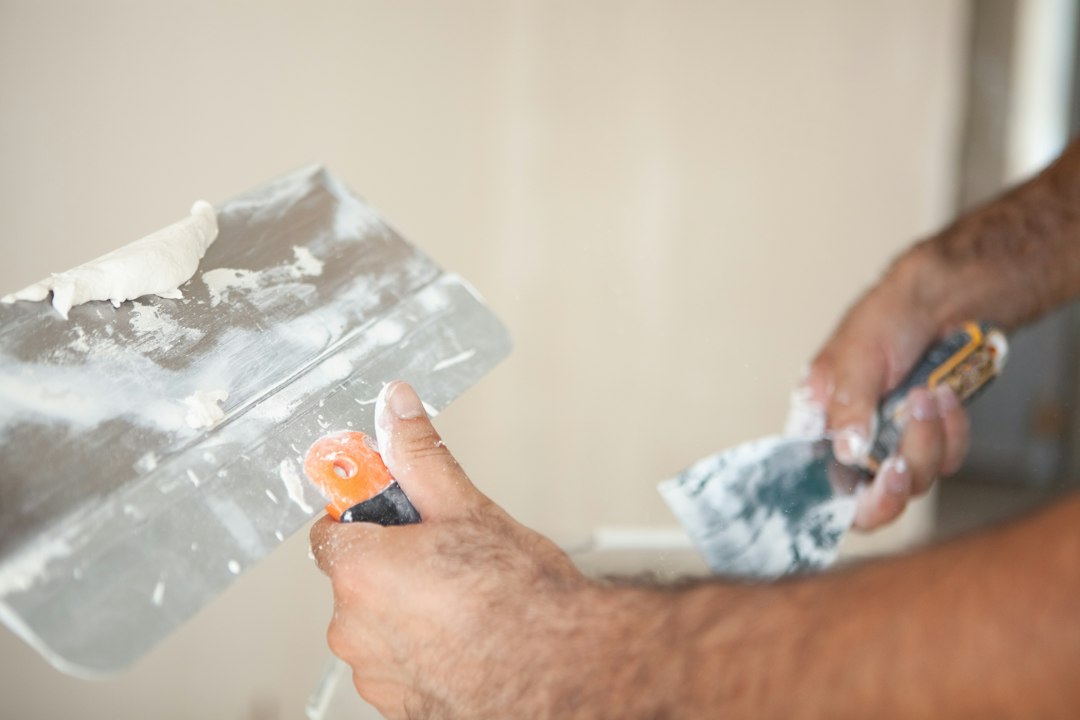
Once moisture levels are under control, wet drywall sections can be replaced, textured, primed, and painted. For combined mitigation and rebuild, see our drywall water damage repair Las Vegas service.
Wet Drywall After Water Damage: key restoration considerations
For wet drywall after water damage, the correct scope depends on the source, how far moisture traveled, the materials affected, contamination, and how long the area remained wet. Moisture readings and a clear drying or repair plan help avoid relying on surface appearance alone.
Can wet drywall be saved? The decision depends on the source, contact history, material condition and access to moisture behind it. Fixing wet drywall begins with assessment and source correction rather than paint. Ask the team which materials can remain, what checks support that decision and which repairs are included. Review our drywall repair service for a property-specific scope.
Before the repair visit, gather photographs, source-repair records and any earlier moisture findings. Identify affected rooms and tell the team about access restrictions. Keep the approved scope and later changes together so the final walkthrough can compare the completed work with the same locations and materials discussed during the inspection.
EPA guidance on checking that a flooded home is dry before rebuilding.
The plan to repair the affected area should identify the rooms, removal boundaries and retained materials before finish work begins. Ask whether insulation replacement, board installation, joints, texture, primer and paint are included or separately arranged. Discuss transitions to existing finishes and explain any owner-requested improvements that go beyond the damaged area. A clear scope lets the contractor and homeowner compare the proposal with the same locations during the final walkthrough, without assuming that a general repair allowance covers every adjacent surface.
Keep the source-repair findings, inspection notes, drying records and approved changes together. Tell the team who will arrange access, which rooms remain occupied and who can authorize an additional opening if the inspection reveals another affected area. Before closing the wall, request a review of any unresolved moisture questions and which checks were completed. At the finish stage, retain product information and progress photographs where available. If a stain returns later, document its discovery date and location so the responsible professional can investigate the changed condition rather than relying only on the earlier event record.