
Ceiling & Roof Leak Water Damage Boulder City, NV
Presto Water Damage provides ceiling and roof leak water damage in Boulder City and nearby Southern Nevada communities. Roof and ceiling leaks can wet insulation, drywall, framing, paint, and wall cavities before water becomes visible inside the room. Boulder City includes older homes and additions where plumbing failures, roof-related leaks, and hidden moisture can travel through walls, ceilings, insulation, and flooring.
Roof Leak Water Damage Boulder City: Assess the Affected Area
Roof leak water damage Boulder City service begins with two connected questions: what allowed water into the building, and which materials became wet? A roof repair addresses the entry point. Restoration addresses water inside the ceiling, walls, insulation and finishes. Completing one part does not establish that the other is finished. Presto Water Damage can discuss the affected building materials and the work needed through drying and repair.
From a dry, safe position, describe when the staining or dripping was first noticed, which room is affected and whether the condition changes during rain or appliance use. The last time the room looked normal is useful information, but it does not prove when a concealed leak started. Photograph the room, the visible boundary and any changes in nearby walls. Label unknown details as unknown rather than estimating a cause.
Keep people away from sagging, bulging or visibly unstable ceiling areas. Do not puncture a bulge, pull down wet drywall, climb onto the roof or touch affected light fixtures. Water near electrical components calls for qualified safety assessment. If the area cannot be reached safely, a doorway description is sufficient to request help. Further inspection should follow safe access, not require the homeowner to create it.
Signs of Water Damage in Ceiling Materials
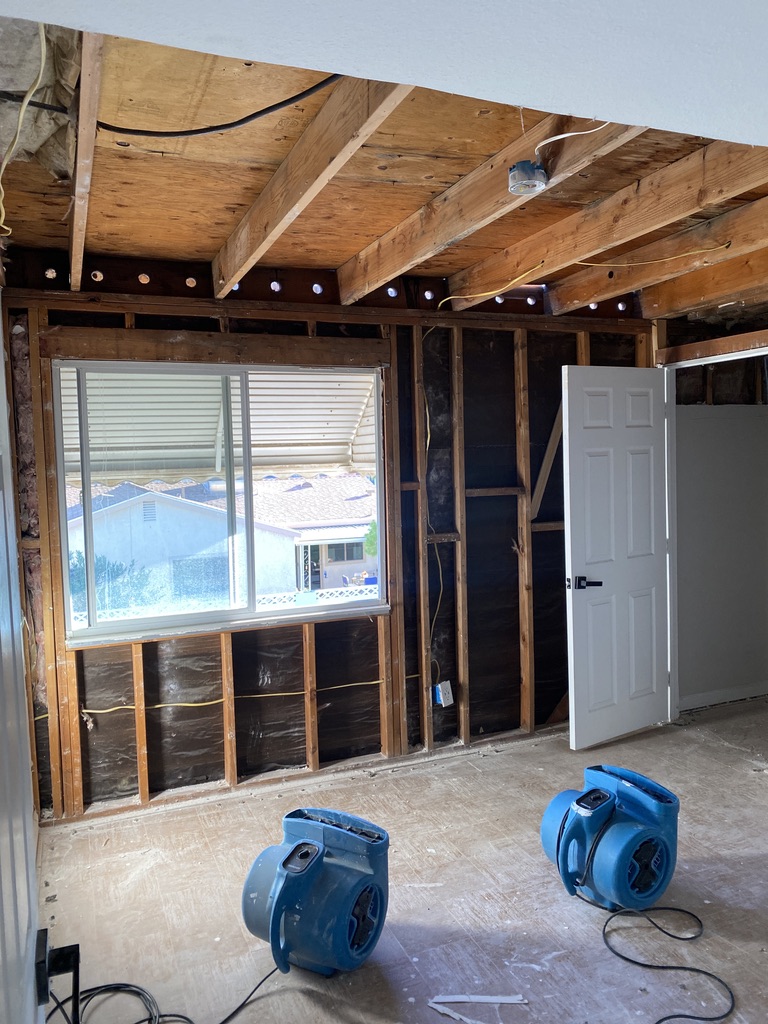
Ceiling water damage may appear as discoloration, peeling paint, softened drywall, separated joints or a damp wall edge. Record the location and size of what is visible. A stain that looks unchanged does not establish that the material behind it is dry, and a new stain does not identify the exact point where water entered. The inspection must connect visible changes with the surrounding assembly.
Water damage in ceilings can originate above the room, from plumbing, an appliance or a roof-related opening. The apparent drip location may be offset from the entry point because water follows framing and other surfaces. Explain what is above the affected room if you know it. Do not assume every ceiling stain is a roof failure, even when it was discovered after a storm.
Separate old cosmetic marks from active changes. Tell the team about earlier repairs, previous leaks or repainting in the same area. If you have photographs from before discovery, retain them with the current pictures. Report odors or suspected growth without disturbing the material. Neither appearance nor odor alone establishes the type of contamination, the leak duration or the repair scope.
Ceiling Water Damage: Follow the Moisture Path
A ceiling water damage assessment should look beyond the first stained panel. Depending on the findings and access, the inspection may include adjacent ceiling areas, the upper wall, insulation and the room below or beside the loss. Ask where the inspected boundary ends. A general statement that the room was checked is less useful than findings tied to identifiable materials and locations.
Moisture readings need material-specific interpretation. Ask what instrument was used, whether comparison readings were taken on apparently unaffected materials and whether metal or installation details could influence the results. A reading at the painted surface does not describe every concealed layer. See our explanation of moisture meter readings for questions to raise during assessment.
When ceiling water damage reaches a wall, baseboard or floor transition, those assemblies may need separate checks. Water can collect behind trim or beneath a floor covering while the exposed surface changes appearance. The guide to water beneath flooring explains that distinction. Findings should reflect the actual installation instead of assuming every floor or ceiling behaves the same way.
Correct the Source Before Closing the Assembly
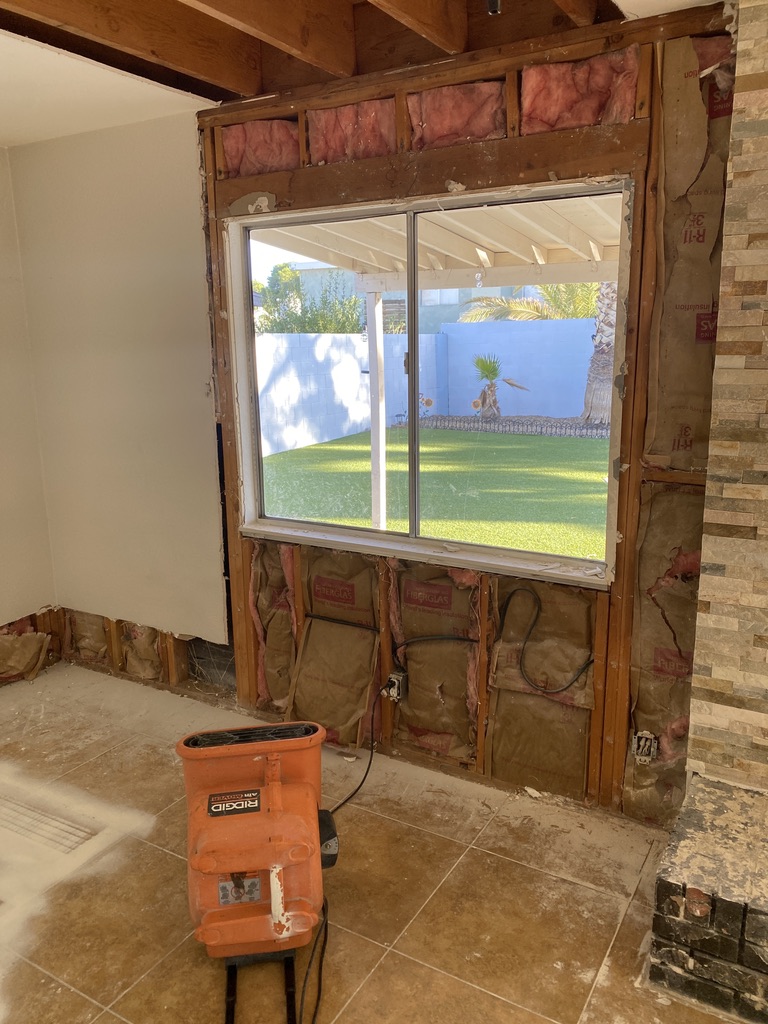
Ask the qualified repair provider to explain the confirmed source, what work was completed and whether any investigation remains open. A stain can stop growing while concealed materials remain wet. Conversely, drying equipment can operate while an intermittent source continues to release water. Coordinate source correction and restoration so new finishes do not conceal an unresolved problem.
For roof leak water damage Boulder City projects, keep roof-related findings separate from interior moisture findings. Request photographs or a written explanation when available. If the cause remains uncertain, the record should say so. A preliminary possibility should not become a confirmed diagnosis merely because it appears in an estimate. The scope can be revised as qualified providers establish more information.
Ask who will authorize any access opening and how the surrounding room will be protected. Before disturbing older or unfamiliar building materials, the contractor should consider applicable assessment requirements. Homeowners should not dismantle a ceiling to improve a photograph. The proposed inspection and removal boundaries should have a clear reason, with additional findings documented as access develops.
Retain or Replace Affected Ceiling Materials
Ceiling water damage does not automatically mean every nearby finish must be replaced. Retention depends on condition, exposure, contamination concerns and whether drying can be accessed and verified. Deteriorated drywall, affected insulation or concealed layers that cannot be evaluated may require a different approach. Ask why each material is proposed for retention or removal and where that decision is recorded.
Painting over a mark is a finish repair, not proof of a dry assembly. Likewise, replacing a visible panel does not establish the condition of nearby framing or insulation. Our discussion of whether wet drywall can be saved explains why a material decision needs more than an appearance check. Do not press on soft materials or pull down a loose section yourself.
For ceiling water damage beside cabinets, walls or flooring, distinguish the immediate mitigation work from later matching and finish choices. A practical plan identifies the materials selected for drying, materials selected for removal and areas that remain inaccessible. If an opening reveals additional damage, ask for an updated explanation before treating the original estimate as a complete description of the loss.
Monitor Drying Before Texture and Paint
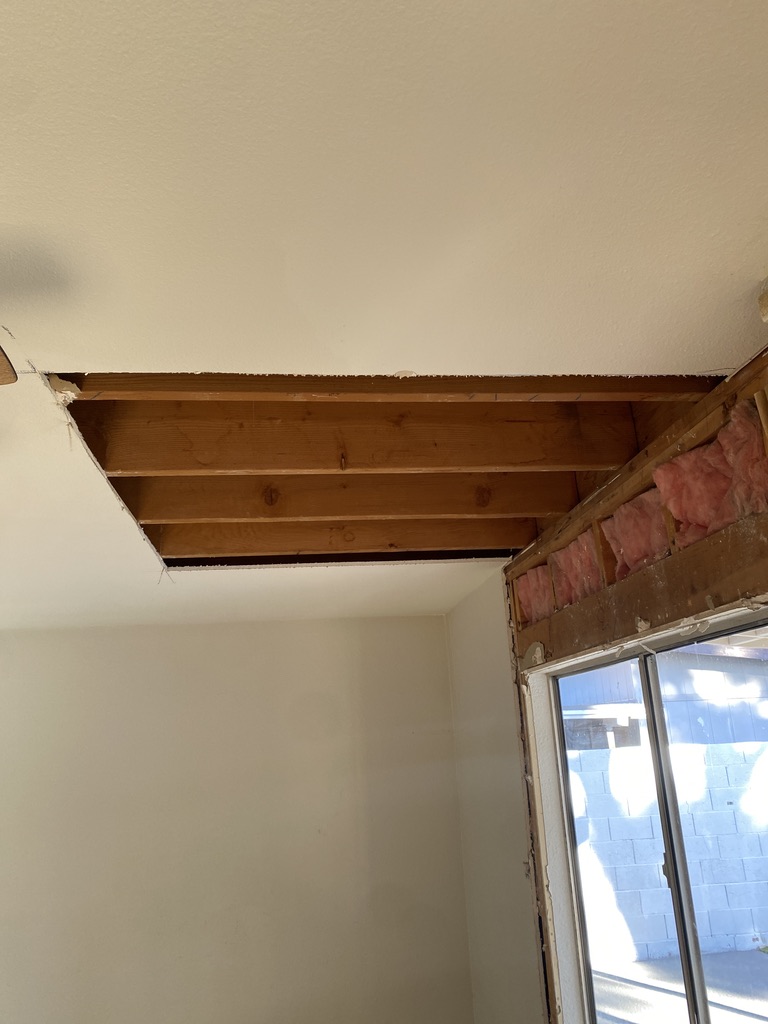
Drying progress should be measured at locations that can be identified again. Ask what materials are being monitored, what goals apply and how inaccessible areas will be handled. Equipment placement and operating time alone do not establish completion. Structural drying and dehumidification should be connected to the condition of the materials selected for retention.
There is no reliable single drying deadline for every ceiling water damage project. The affected layers, access, source history and material condition influence the work. Request progress notes that explain changes and remaining limitations. If equipment is moved or the scope changes, ask how that decision relates to the current findings rather than judging progress only by the sound of fans.
The EPA guide to moisture and mold explains the importance of correcting moisture problems and drying affected materials. Report suspected growth or contamination before air movement is directed across the area. A qualified assessment should determine the appropriate cleanup approach. Do not disturb suspicious material simply to confirm what a stain might represent.
Review the Estimate, Records and Repair Handoff
A useful ceiling water damage estimate distinguishes inspection, access, removal, drying, monitoring and finish repairs. Ask which quantities are based on visible findings and which depend on later access. Confirm whether contents protection, disposal, texture, paint and adjoining finish transitions are included. Optional upgrades should remain separate from the work needed to address the documented damage.
Keep discovery photographs, source-repair records, assessment notes and drying reports together. Record when providers attended and which areas were accessible. If insurance may be involved, ask the insurer what records it requires; restoration documentation does not guarantee coverage. Our guide to documenting water damage before cleanup offers a starting point without delaying necessary mitigation.
Before rebuilding after ceiling water damage, review the source status, drying findings and retained-material decisions together. Confirm who is responsible for any remaining work and how finish selections will be approved. A completed paint surface should be the final stage of an understood process. The repair and reconstruction service covers that later phase.
Request Roof Leak Water Damage Boulder City Help
For roof leak water damage Boulder City inquiries, tell Presto Water Damage which rooms are affected, whether water is still appearing and what source-related work has already occurred. Share safe photographs and available reports. If the property is occupied or managed, identify the access contact and the person who can authorize work. Clear arrangements help keep assessment and repair decisions organized.
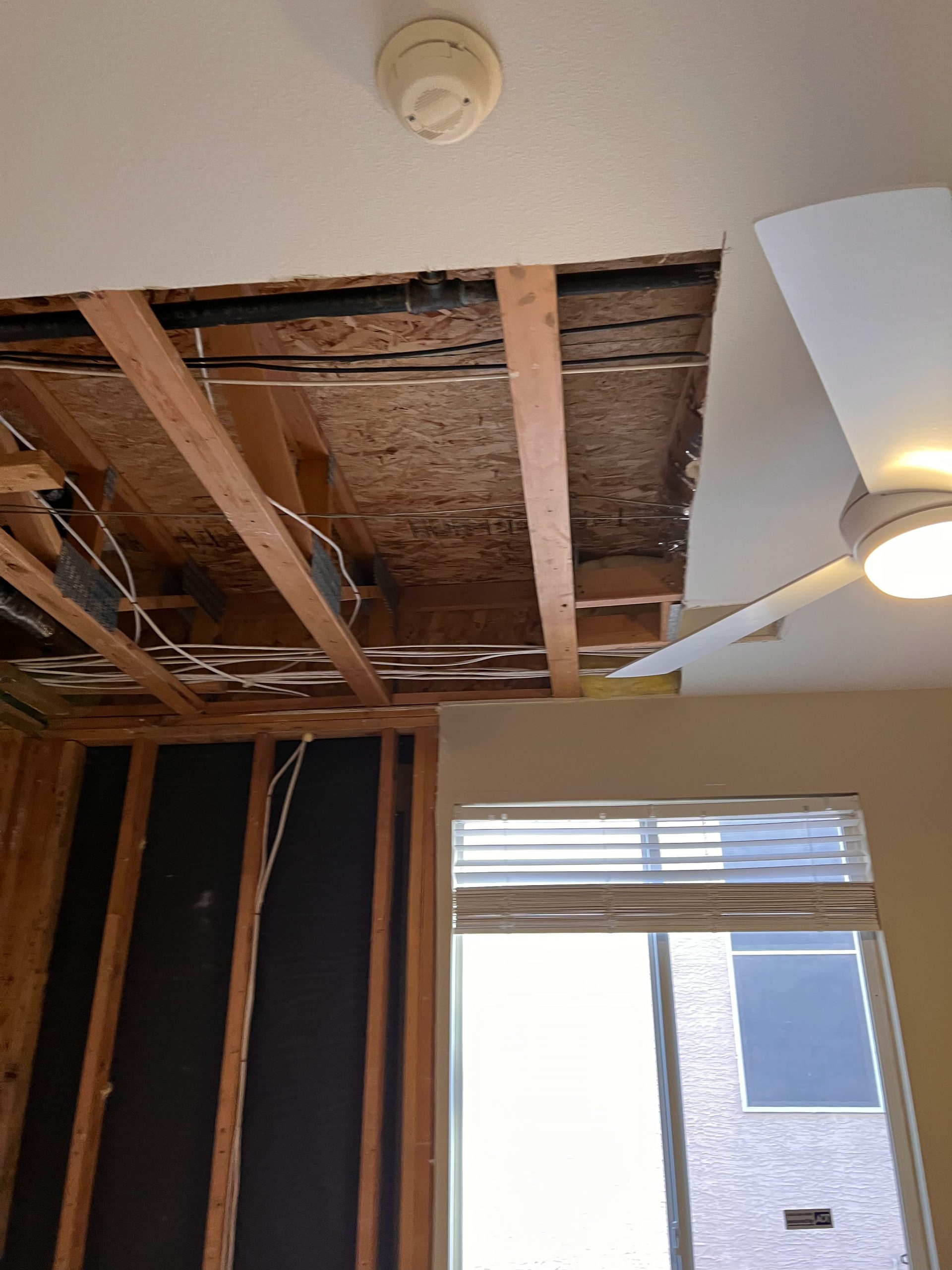
Discuss immediate water extraction, drying needs and any mold-related assessment as separate parts of the actual findings. View the project gallery for examples of exposed materials and drying work. These photographs illustrate restoration work; they do not establish what a particular property needs.
After ceiling repairs, retain the final scope and report any recurrence promptly. Keep access routes available without moving equipment or disturbing protected work areas. Review our water damage services or contact Presto Water Damage at 725-529-5195 to discuss the next step.