
Closet water damage can remain hidden behind shelving, stored boxes and tightly fitted flooring. Emptying the space safely gives technicians access to wall bases and the floor perimeter. Structural drying and dehumidification should follow source control and an assessment of affected materials. For closet water damage, ask which assemblies need access, which can be retained and how moisture readings will guide the repair sequence.
On this page
Structural drying services for closet water damage
Start with the history of the leak rather than the stain alone. A closet can share a wall with a bathroom, laundry space or plumbing line, or sit below another occupied area. Record when you first noticed water and what fixtures or equipment were operating. Describe any recent roof or plumbing work so the inspection can follow a specific sequence of events.
Closet water damage may appear away from the original entry point. Ask the contractor to explain which source has been confirmed and which possibilities still need investigation. If water is still entering, source control must be coordinated with cleanup. Do not use a light switch or enter a damaged area where water and electrical components may be involved.

Advanced structural drying technologies and material checks
Photograph the closet before moving items when you can do so safely. Capture the floor arrangement, shelves, boxes and visible stains, then record which belongings contacted water. A simple inventory helps separate building work from contents work. Include item descriptions and available purchase records without guessing at values or declaring items unsalvageable before they have been evaluated.
Ask the restoration team how affected belongings should be handled before moving them into another room. Wet boxes and textiles can transfer moisture to clean surfaces. If contamination or suspected growth is present, additional precautions may be needed. Tell the team about fragile, valuable or sentimental items early so their handling can be discussed separately from routine debris removal.
3. Inspect flooring after closet water damage
The visible closet floor is only part of the assembly. Carpet may have padding beneath it, and hard flooring may cover layers that cannot be inspected from above. Ask which materials were checked and whether the doorway or adjacent room also shows elevated moisture. The inspection should describe the affected area instead of stopping automatically at the closet threshold.
For closet water damage near built-in storage, discuss access along the wall and beneath fixed components. Ask whether trim removal or another opening is needed to evaluate the perimeter. Do not assume that the floor is dry because its surface no longer feels wet. Keep a record of inaccessible areas and the proposed method for resolving those uncertainties before repairs begin.
4. Evaluate drywall, trim and closet storage
Document changes at the bottom of walls, inside corners, door casings and shelf supports. Staining, surface damage and separation are useful observations for the contractor, but they do not establish the full extent of moisture. Ask how the team will inspect behind finishes and whether the storage system blocks access to areas that need drying or repair.
When closet water damage affects fixed shelving or cabinets, clarify who will remove and reinstall them if necessary. Photograph the arrangement and hardware before disassembly. The estimate should distinguish access work from replacement of damaged components. Discuss whether the original materials can be reused and how the proposed repair will match nearby finishes without promising an exact match before products are identified.
5. Plan access and drying for an enclosed space
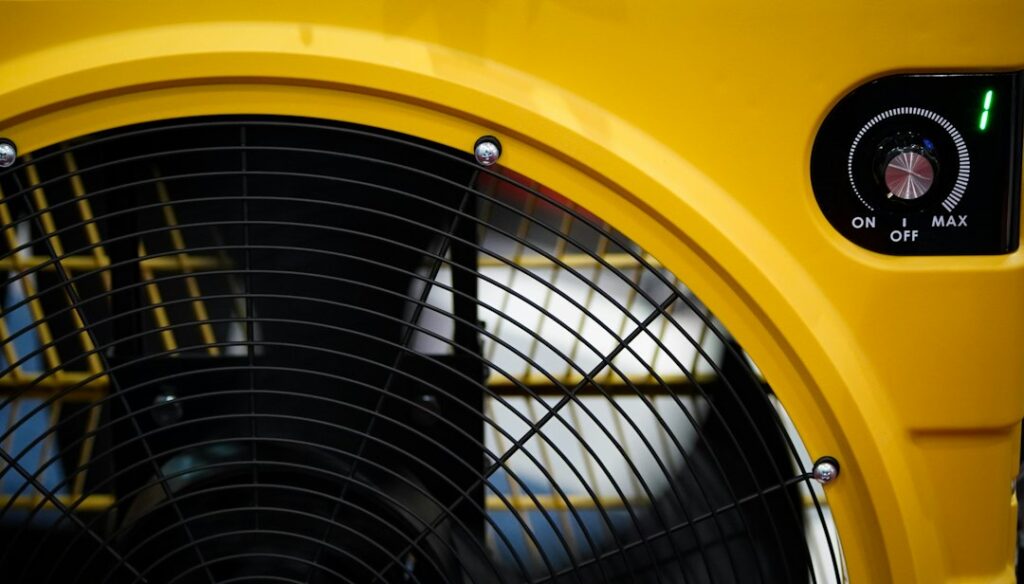
A closet can be difficult to work in when belongings, shelving and narrow doorways limit equipment placement. Ask the restoration team to explain which materials the equipment is intended to dry and how conditions will be monitored. A fan at the doorway does not by itself establish that moisture inside a wall or beneath flooring is being addressed.
For closet water damage, the plan should identify materials retained in place, materials proposed for removal and the reason for each decision. Discuss access arrangements if the space opens into an occupied bedroom or shared hallway. Follow the technician’s instructions for equipment operation and report interruptions. Avoid changing equipment positions or closing off the work area without checking how that affects the drying plan.
6. Address odor or suspected growth appropriately
A musty smell after closet water damage is a reason to investigate the moisture history and affected materials. It does not identify a mold species or establish a health diagnosis. Tell the contractor where the odor is strongest and whether it changes when the door is opened or the space is used. Include earlier leaks, even if they seemed minor at the time.
If you see suspected growth, avoid brushing it or directing a household fan at it. Ask how the area will be evaluated and whether the work scope needs to change. Moisture control remains part of the repair plan. Do not cover affected surfaces with paint or replace stored belongings before the underlying condition has been addressed and the agreed inspection steps are complete.
7. Confirm repairs before restocking the closet
Before closing openings or reinstalling shelving, ask for the relevant drying notes and photographs of work that will become concealed. Confirm that the source repair is complete and that any remaining limitations are documented. The reconstruction scope should identify drywall, insulation, flooring, trim, storage components and finish work as applicable, rather than leaving you to infer what a general repair allowance includes.
After closet water damage repairs, compare the completed work with the estimate and inventory. Check door operation, shelf installation, floor transitions and painted surfaces during the walkthrough. Ask when the space is ready for normal use and whether any follow-up is planned. Keep belongings accessible enough to notice a returning stain or damp area, and report a recurrence with photographs and dates.
Frequently asked questions about closet water damage
Can I close the door and let it dry? Ask for an inspection and an appropriate drying plan first. An enclosed space can hide affected materials even when the visible floor improves. Must all stored clothes be discarded? Contents need their own evaluation based on contact, condition and the loss circumstances. Separate that decision from the building repair estimate.
Does closet water damage mean there is mold? Moisture and odor alone do not establish that conclusion. Have suspicious conditions evaluated and direct health concerns to a qualified health professional. Will insurance cover the work? Your insurer determines coverage under your policy and the particular loss. Provide accurate photographs, dates, estimates and receipts, and ask about the information needed for your claim.
Schedule a closet water damage inspection in Las Vegas
Prepare a short timeline, source-repair details, photographs and a list of affected belongings for the visit. Explain whether the closet shares walls with plumbing or another unit and whether access requires moving a storage system. Ask for a written scope that separates contents handling, mitigation and reconstruction. This makes the work sequence and responsibilities clearer for owners, tenants and property managers.
Presto Water Damage serves Las Vegas, Henderson and North Las Vegas. Call 725-529-5195 or use our contact page to discuss closet water damage. Licensed, Insured, Bonded. For general moisture-control information, read the EPA guide to mold and moisture in your home. Keep project-specific decisions tied to the inspection of your property.
Coordinate structural drying with water extraction where needed. Our repair and reconstruction team can discuss the next phase after structural drying checks are complete. See our service areas for local coverage. The IICRC water damage restoration standard provides the professional framework for inspection, structural drying and documentation. Keep records of closet water damage with the source repair and completion photos.