On this page
Commercial office storm damage from heavy rain and strong winds can cause major disruption to a Las Vegas commercial office. Water can enter through roof leaks, windows, and damaged exterior openings, affecting ceilings, drywall, flooring, and day-to-day business operations. At Presto Water Damage, we help property owners and managers coordinate repairs and rebuild storm-damaged office spaces.
Photos From Our Commercial Office Restoration Project
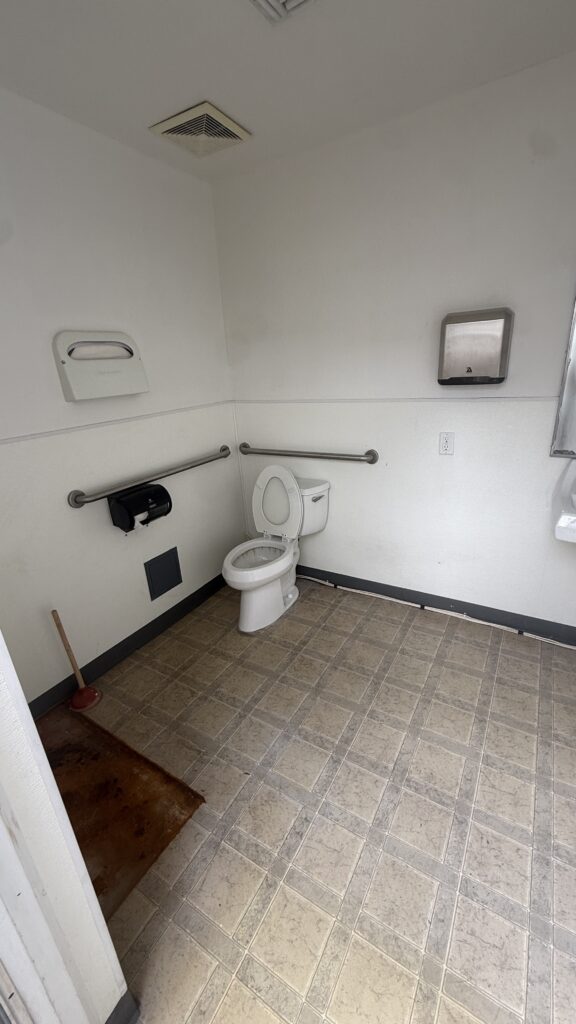
These photos are from our commercial restoration project at a Public Storage commercial property in the Las Vegas area. The work involved addressing storm-related leaks and repairing damaged glass, drywall, and flooring as part of the office rebuild.
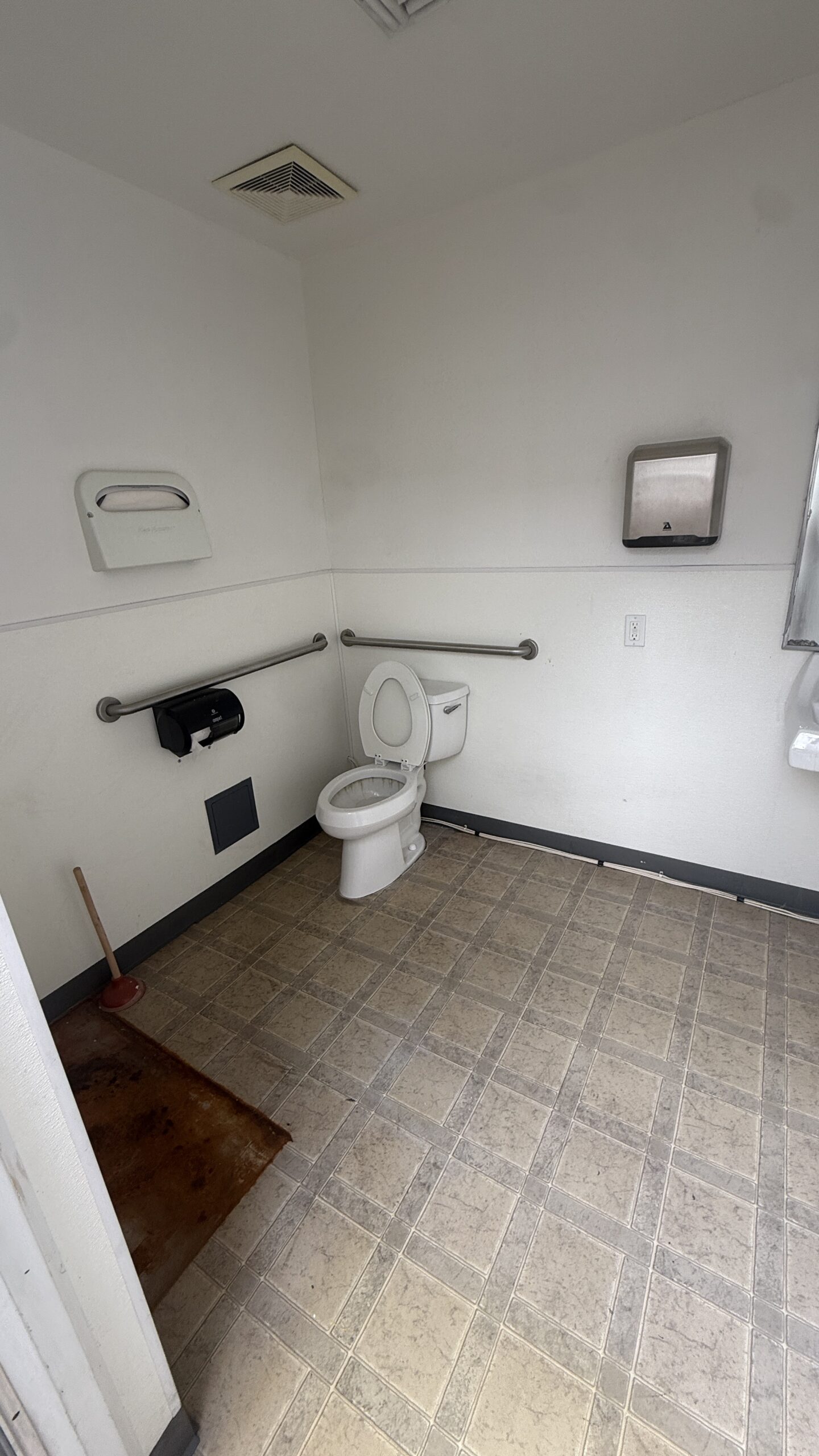
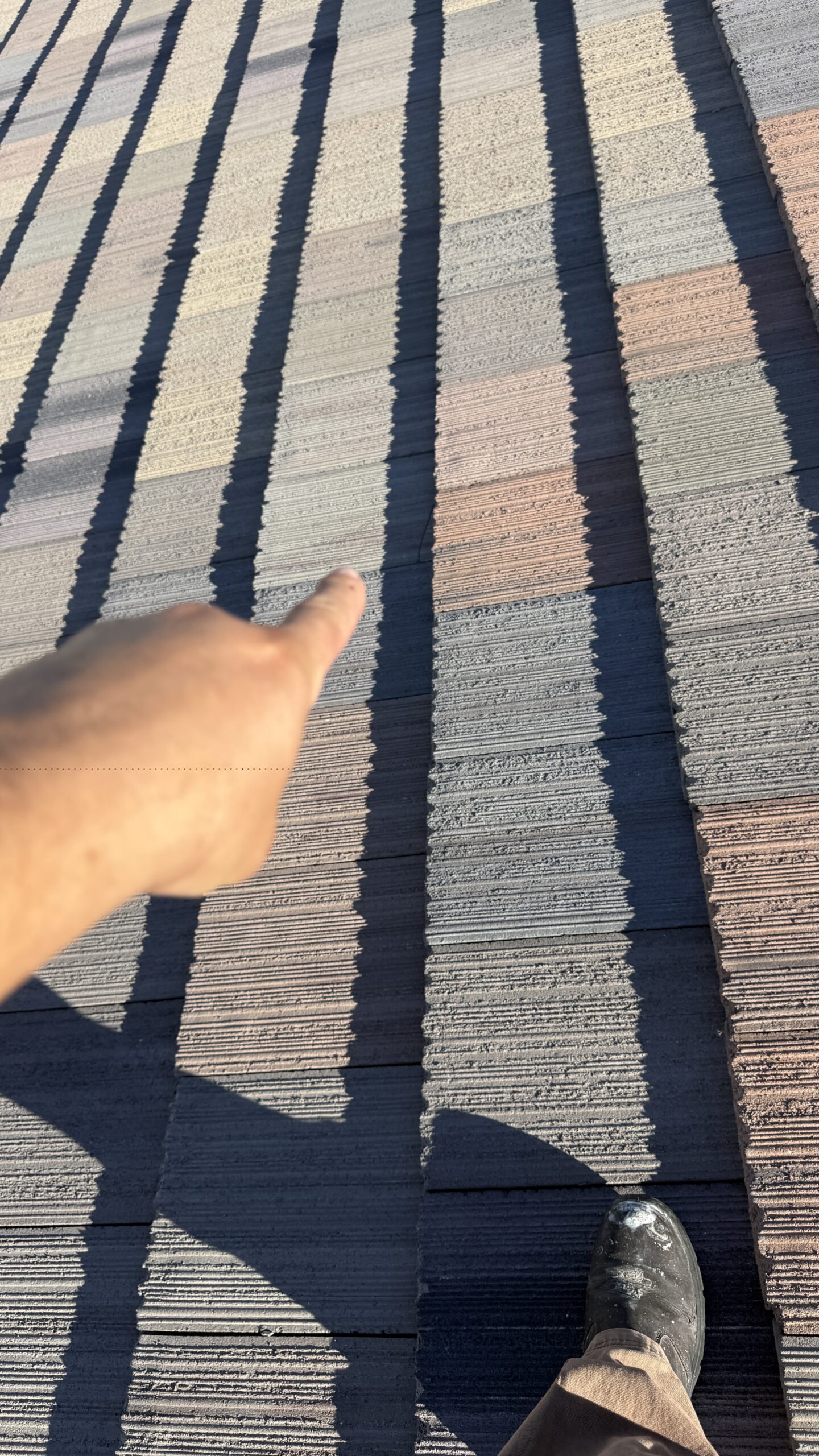
A commercial office affected by a severe Las Vegas rainstorm may need more than a quick patch. Water intrusion and broken glass can affect multiple building materials at once. Our restoration approach addresses the visible damage and the underlying moisture source before finishes are replaced.
Are there surprising ways storms damage commercial roofs?
We assess likely entry points, including roof penetrations, flashing, exterior joints, and windows. The source of the leak must be corrected so new drywall and flooring are not exposed to repeated moisture. Electrical hazards and unstable damaged areas should be evaluated by qualified professionals before work begins.
2. Address Damaged Glass and Windows
Storm-driven debris and wind can damage office glazing and frames. Broken or compromised glass should be secured, evaluated, and replaced with materials appropriate to the opening and applicable building requirements. Window perimeter sealing is also important to prevent future leaks.
3. Dry and Repair Ceilings and Drywall
Water-stained ceilings, softened gypsum board, and damaged insulation may require removal after a moisture assessment. The affected areas are dried and checked before insulation, drywall, taping, texturing, and paint are restored. Concealed moisture should never simply be painted over.
4. Restore Commercial Flooring
Wet carpet, luxury vinyl plank, laminate, and other office flooring systems each respond differently to water. We assess the flooring and subfloor condition, determine which materials can be retained, and replace damaged materials where necessary. A sound, dry substrate is essential for a lasting installation.
Once the building is dry and the exterior is secure, the restoration can include interior painting, trim and baseboards, ceiling finishes, flooring transitions, and final cleanup. Work can be planned by area to reduce disruption where safe and practical.
Before restoration: Storm-related water intrusion affected the commercial office, with reported glass, drywall, and flooring damage. The priority was identifying leaks and evaluating damaged areas before rebuilding.
After restoration: The repair scope addressed the damaged building components and restored the commercial space. The project photos above document stages of the work; individual images have not been labeled “before” or “after” without confirming when each was taken.
Presto Water Damage helps commercial property owners and managers plan repairs after rain and wind damage, including water intrusion, drywall, flooring, and interior rebuilding. For an inspection and project-specific restoration plan, contact Presto Water Damage today.
Delaying repairs can increase downtime, allow moisture to spread, and complicate the restoration scope. Property managers should document the damage with photos, keep records of emergency work, and notify their insurance carrier when appropriate. Coverage depends on the policy and cause of loss.
Presto Water Damage serves commercial properties in Las Vegas, Henderson, North Las Vegas, Summerlin, Spring Valley, Paradise, and nearby Southern Nevada communities. Whether a storm affects one office or several rooms, a coordinated plan can address water intrusion, damaged glass, drywall, ceilings, and flooring.
For related help, see our commercial water damage restoration in Las Vegas, storm damage cleanup, and water damage repair and reconstruction. Explore our water damage restoration services or contact Presto Water Damage to discuss an office inspection and repair plan.
Project note: This article describes common commercial storm-restoration work. It does not claim that a specific recent Las Vegas storm was officially classified as a hurricane or that every listed repair was performed at one verified jobsite.
1. Establish a clear first report
The first report of commercial office storm damage should tell the restoration team what is known without sending anyone into danger. From a safe location, describe the affected rooms, visible water, damaged ceiling areas, and any known exterior opening. If there is standing water near electrical equipment, broken glass, or unstable material, keep people away and seek qualified help. Staff should not be asked to investigate a hazardous area simply to provide more details.
Identify a main contact for the property and a person who can arrange safe access. Those may be different people in a managed office building. Give the team the contact arrangement and explain whether the office is occupied. If several tenants are affected, avoid assuming that a report about one suite describes the entire building. A clear initial account provides a starting point for the inspection and coordination.
A commercial office storm damage response needs a clear distinction between the water-entry issue and the interior restoration. Ask who will evaluate the roof, window, or exterior opening, who is arranging that visit, and how findings will be communicated. Interior finishes should not be treated as the solution to an unresolved leak. If the source is uncertain, record that uncertainty rather than assigning a cause before evaluation.
For commercial office storm damage, a room list helps connect the walkthrough to the written proposal. List the reception area, offices, meeting rooms, storage areas, and corridors that are part of the discussion. Note which conditions were visible on discovery and which were identified during inspection. Use consistent room names in photographs and messages so the property manager and restoration team are referring to the same spaces.
The drying portion of commercial office storm damage restoration should be explained in relation to the affected materials. Ask which areas are included, how progress will be reviewed, and who will discuss changes. Equipment in a room does not tell a manager the entire plan. A short written explanation can help distinguish extraction, material removal, drying, and later finish work.
Commercial office storm damage can raise questions about desks, stored supplies, electronics, and business records alongside questions about the building. Tell the restoration team what is present and ask which services are included in its proposal. Do not assume that a drywall and flooring scope includes every item in the office. Equipment and records may need their own evaluation by the appropriate service provider.
6. Review the reconstruction scope room by room
After commercial office storm damage, the reconstruction proposal should be understandable on its own. Review the areas for drywall, texture, paint, baseboards, flooring, transitions, and other included finishes. Ask which quantities are known and which selections or inspections remain outstanding. A general statement about rebuilding an office may not explain whether a particular room or finish is included.
Discuss matching and transitions to existing materials before ordering products. If you also want changes to the layout or finishes beyond the damaged area, request a separate description. This helps distinguish restoration from additional improvements and makes scheduling decisions clearer. Keep the current proposal available to the property representative who reviews the work and any scope changes.
7. Agree on updates and the final walkthrough
Choose a main point of contact for commercial office storm damage updates and identify who can review proposed changes. Ask when routine updates will be provided and how urgent issues should be reported. A simple communication arrangement is useful when an owner, manager, tenant, and several service providers are involved. Keep messages and revised scopes together so decisions can be followed.
Before the final walkthrough, review the agreed work and any items that remain open. Discuss the rooms and finishes included rather than assuming that reopening one area means every task is complete. Retain invoices, source-related documents, photographs, and relevant product information. A clear handoff gives the business a useful record of the work and the contacts for any remaining questions.
For additional background, consult the EPA guide to moisture and mold. Project-specific assessment determines which wet materials can remain and which repairs are appropriate.