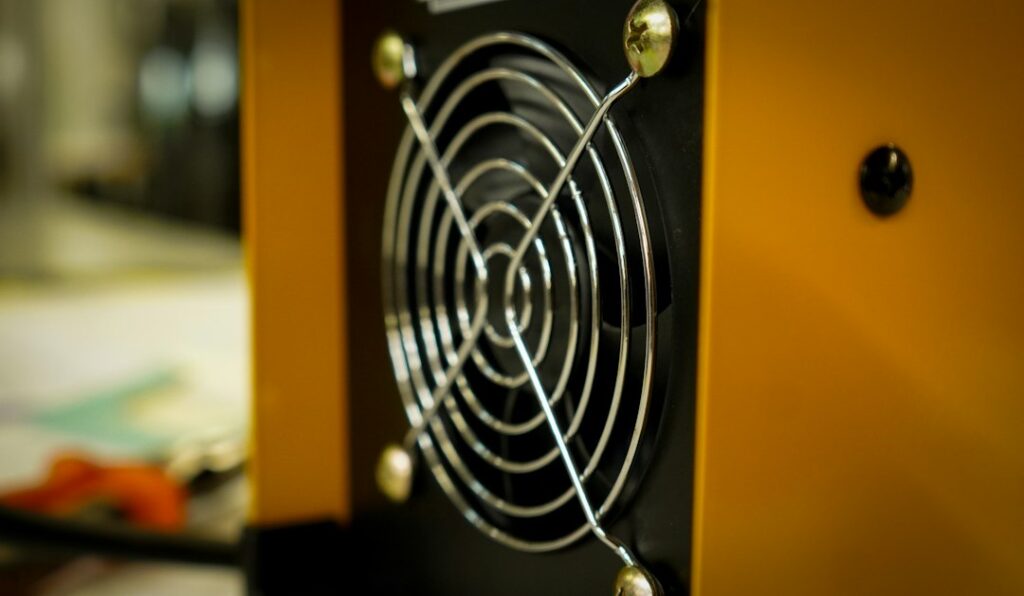
Dehumidifiers remove moisture from the air during structural drying and dehumidification. This supports evaporation from materials that are appropriate to retain and dry. Dehumidifiers work alongside source correction, extraction, air movement and material checks; their operation alone does not establish that a concealed cavity or floor layer is ready for repair.
On this page
Structural drying services: where dehumidifiers fit
Ask which affected rooms and materials the drying plan addresses. Dehumidifiers operating in a room do not by themselves explain the full restoration scope.
Advanced structural drying technologies and material checks
Ask who will review the observations and discuss equipment changes. Dehumidifiers are part of the plan; the provider should connect their use with the property evaluation.
3. What if equipment stops?
Report the issue to the restoration team. Do not move dehumidifiers or adjust the setup without consulting the people responsible for the work.
4. How is access arranged?
Discuss occupants, pets, and clear routes before dehumidifiers are positioned. Tell the team if the household arrangement changes during the project.
5. Are source repairs separate?
Yes, ask who is handling the leak itself. Dehumidifiers do not establish that a leaking supply, appliance, or exterior opening has been repaired.
6. Are finish repairs included?
Review the agreement. Dehumidifiers support the drying stage, while drywall, painting, and flooring repairs may be described in a separate reconstruction proposal.
7. What records should I keep?
Retain the proposed scope, progress records, source-related notes, approvals, and invoices. Ask how dehumidifiers fit with completed work and remaining decisions before the final walkthrough.
See the EPA introduction to mold and moisture for background. To discuss dehumidifiers and restoration services in Las Vegas, Henderson, or North Las Vegas, call 725-529-5195. Licensed, Insured, Bonded.
Planning equipment around an occupied property
Before the drying visit, explain how people use the affected rooms. A bedroom, kitchen, hallway, and commercial office can present different access arrangements. Tell the team about pets, stored belongings, and anyone who needs assistance moving through the property. Ask which routes need to remain clear and which areas will be restricted during the proposed work. These details help connect equipment placement with the actual household or business conditions.
If you are arranging the work remotely, identify a local access contact and the person who reviews scope changes. They may be different people. Give the provider a reliable number for each role and keep the latest appointment information together. A local contact should not be expected to perform repairs, move connected equipment, or enter an unsafe room to make the visit easier.
Ask how the team will explain the status of drying before reconstruction is scheduled. Retain source-related repair notes with the restoration documents. A new finish, a quieter room, or equipment removal does not describe every earlier evaluation. The useful handoff tells you what has been completed, what remains open, and whom to contact with a question. Review the included rooms and services against the current agreement before approving the next stage.
Keep a short question list for the next progress discussion. Ask the provider to identify the materials being reviewed, the information still needed, and the next planned appointment. This makes the ongoing work easier to follow without relying on assumptions about what a running machine means.
Dehumidifiers and a complete drying proposal
When reviewing a proposal that includes dehumidifiers, ask which parts of the work are included and which are separate. The initial inspection, extraction, equipment use, progress visits, material removal, and finish repairs may be described as different services. A clear proposal identifies the affected rooms and explains the planned stages. Do not infer the whole agreement from a line listing equipment.
Ask how changes to the equipment plan will be explained and approved. If another area is identified during the work, request the reason for including it and the updated scope. Keep the current proposal available to the person handling approvals. This is especially useful in rental or commercial properties where the person providing access may not be the person deciding about additional work.
Questions when equipment is operating
With dehumidifiers onsite, discuss how routine questions and urgent issues should be reported. Ask what occupants need to know about the work area and whom to contact if a condition changes. Do not assume that an employee, cleaner, neighbor, or visiting relative knows the arrangement. Share the agreed contact information with the people who actually use or oversee the affected space.
If the property will be unattended, explain that during scheduling and confirm the direct access arrangement with the provider. Keep private entry instructions out of public comments. A remote owner can still review updates, but the team needs a reliable way to coordinate entry. Ask how photographs or written updates will be shared so the status can be understood without someone visiting only to look at equipment.
Finishing the drying stage
Before dehumidifiers are removed or the work moves to repairs, request an explanation of the completed services and remaining decisions. Which affected materials have been evaluated? Which rooms are included in the next proposal? Are source-related records still needed? The discussion should connect equipment use with the specific property rather than treating elapsed time as the only information that matters.
Keep the source-repair records, restoration scope, progress documentation, and reconstruction agreement together. At the walkthrough, identify any open items and retain the follow-up plan. Clear records help you explain later what work was performed and which provider handled each part. They also reduce confusion when a new finish is proposed separately from the earlier cleanup and drying services.
Can I request a different appointment time? Contact the provider and explain access needs before changing the arrangement. Does the equipment plan include every adjoining room? Review the affected-area description rather than assuming it does. What if another person takes over as the project contact? Share the current scope, previous updates, and next appointment so the new contact can follow the same information. Clear communication is useful throughout the project, from the first inspection through the last repair discussion.
Ask how the structural drying plan accounts for the actual rooms, materials and access limitations. A room feeling more comfortable is not a substitute for the relevant inspection findings. Dehumidifiers should be discussed as part of that plan, including who monitors progress and what to do if equipment stops or another leak appears. Keep the responsible provider’s contact information available while work is underway.
Before finish work begins, review retained materials, completed checks and unresolved areas with the team. Dehumidifiers are part of the drying stage, while drywall, trim, flooring and paint belong in a separately understandable reconstruction scope. Identify who approves changes and who arranges the next inspection or repair appointment.
For background, read the EPA moisture guide and EPA flooded-home drying guidance.
Presto serves Las Vegas, Henderson and North Las Vegas. Explore structural drying, water extraction, repair and reconstruction, service areas or contact our team at 725-529-5195 for a property-specific assessment.