
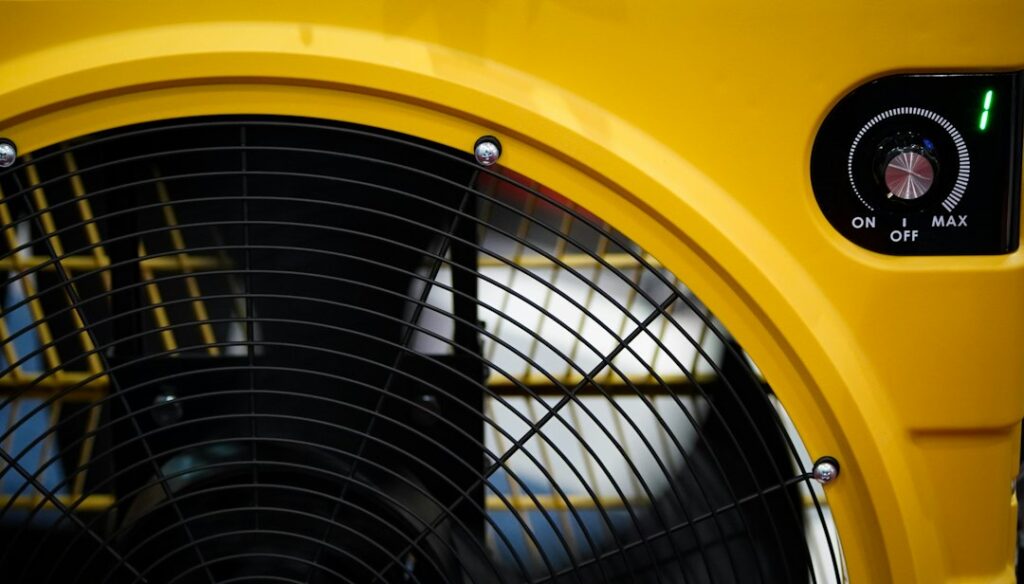
Document water damage before cleanup when you can do so safely, then retain progress reports as work proceeds. Structural drying records add material locations, moisture trends and completion decisions to the initial photographs. Structural drying and dehumidification should follow source control and an assessment of affected materials. To document water damage, ask which assemblies need access, which can be retained and how moisture readings will guide the repair sequence.
Document water damage when it is safe, while keeping emergency response the priority. This seven-step guide helps Las Vegas owners create an organized record of the source, affected rooms, contents and repairs without delaying necessary mitigation.
On this page
Document water damage: structural drying services and records
Before taking photographs, consider whether water is near electrical components, a ceiling is unstable or the source may be contaminated. Stay out of unsafe areas and ask the responding professionals to document conditions they can access safely. A photograph is useful evidence, but it does not justify entering a hazardous room or disturbing damaged material to improve the view.
Record what you could observe and what you could not. If an area was inaccessible, note that limitation instead of estimating its condition. Document water damage promptly when possible, then allow appropriate source control and mitigation to proceed. Your record can include photographs supplied by the plumber or restoration team after they establish safe access; you do not need to capture every image personally.
Advanced structural drying technologies and material checks
Write down the discovery date and time, who noticed the problem and whether water was still active. Include the last known observation of normal conditions only if you actually know it. Do not guess how long a concealed leak existed. A timeline that separates known events from uncertainty is more useful than an exact-sounding duration unsupported by evidence.
When you document water damage, describe the activity around discovery, such as appliance operation or rainfall, without declaring that it proves the cause. Keep messages and service requests in their original form. If a qualified professional later identifies the source, add that report to the file rather than rewriting the initial observations as though the cause had been known from the beginning.
3. Document water damage with wide and close photographs
Take an overall room view to establish location, then closer images of affected surfaces and details. Include doorway transitions and neighboring areas when they help show the layout. Use consistent filenames or folders by room. A close photograph of a stain is easier to interpret when it can be connected to a wider view of the same wall or ceiling.
Avoid editing the original images in ways that change their apparent condition. If you crop an image for discussion, keep the original too. Document water damage before and during work when safe, using dated notes to explain what each set shows. Photograph labels or product information only when accessible; do not dismantle a fixture or move a heavy appliance just to obtain them.
4. Record contents separately from the structure
Create an inventory for belongings that contacted water, with descriptions and supporting photographs. Keep building materials such as fixed cabinets and drywall in a separate section of the record. Ask your insurer or other relevant party what additional information is needed for the particular claim. Avoid assuming that a contractor’s building estimate also inventories all affected personal property.
To document water damage accurately, record condition without deciding every item’s final value or repairability yourself. Keep receipts or purchase information where available and identify uncertain details honestly. If items need disposal for safety or sanitation, discuss documentation with the responding team and relevant insurer as appropriate. Do not retain an unsafe item solely because you think every damaged object must remain on site.
5. Preserve source-repair and restoration reports
Ask the plumber, roofer, appliance technician or HVAC professional for a clear description of the source findings and completed work. Keep estimates, invoices and photographs together. An emergency visit, temporary control and permanent correction may be separate events. Label each accordingly so a reader can understand what was done and what remained unresolved at that point.
Document water damage mitigation with the restoration company’s scope, moisture notes and progress records. Ask for explanations of inaccessible areas, proposed removal and changes after openings reveal new conditions. The records should connect work to observations rather than simply list equipment. If a document contains an error about a date or location, request a correction and keep a clear version history.
6. Track changes during drying and reconstruction
Use dated progress folders instead of mixing all photographs in one long collection. Note when materials were removed, when drying checks occurred and when concealed work was completed. Ask for photographs before a repaired cavity is closed. Those images can explain the scope later without requiring anyone to reopen finished surfaces solely to reconstruct the work history.
When you document water damage repairs, keep change orders with the reason for each change and the related photographs or report. Separate additional discoveries from optional upgrades. That distinction helps you review costs and explain the final work to an insurer or property manager without presenting every improvement as damage caused by the original leak.
7. Build a clear completion packet
At completion, collect source-repair documents, the final restoration scope, relevant drying notes, invoices and before-and-after photographs. Organize the material by date and topic. Keep copies of communications that explain decisions or remaining limitations. A concise index can be more useful than sending a large collection of unlabeled attachments that forces another person to guess which image belongs to which stage.
Document water damage follow-up observations too. If a stain returns, add the new date, location and activity around the recurrence. Do not overwrite the earlier completion record. A separate follow-up section helps the next professional evaluate whether the condition relates to the previous loss or requires a different investigation. Share the relevant records through an appropriate channel while protecting private household information.
Questions about how to document water damage
Do I need professional equipment to take useful photographs? Clear images and accurate notes can be useful without special gear. Do moisture-meter photos prove the entire room is dry? They need context about the instrument, material, location and inspection scope. Ask the restoration professional to explain readings instead of treating an isolated display as a complete assessment.
Should cleanup wait for an adjuster? Ask your insurer about the claim process while addressing urgent safety and additional-damage concerns with qualified professionals. This guide does not determine coverage or a deadline. What if I missed the first photographs? Gather the records that do exist, including service reports and messages, and explain the gap honestly rather than recreating evidence or assigning an unsupported date.
A simple filing checklist for the final record
Use clear folders for discovery, source correction, building assessment, contents, mitigation and repairs. Add a short index with dates and the companies involved. Keep original files alongside any summaries you prepare. If multiple people supply photographs, label the source so the location and timing can be checked. A practical system should help another person follow the loss without needing you to narrate every attachment.
Before sharing, review the packet for unrelated financial information, access codes or personal documents visible in room photographs. Preserve the original privately and provide a relevant copy where appropriate. Accurate documentation supports communication; it does not guarantee coverage, reimbursement or a particular repair decision. Ask the insurer or responsible professional which remaining questions the record needs to address.
Presto Water Damage serves Las Vegas, Henderson and North Las Vegas. Call 725-529-5195 or contact our team to discuss how to document water damage. Licensed, Insured, Bonded.
Explore our water extraction, structural drying, repair and reconstruction, mold remediation, restoration services and service areas. The Nevada Division of Insurance claim guidance discusses photographs, records and communication with your insurer.
Coordinate structural drying with water extraction where needed. Our repair and reconstruction team can discuss the next phase after structural drying checks are complete. See our service areas for local coverage. The IICRC water damage restoration standard provides the professional framework for inspection, structural drying and documentation. Keep records that document water damage with the source repair and completion photos.