flood cleanup Las Vegas is the main topic of this guide for Southern Nevada property owners. The sections below explain what to look for, how moisture can spread, and when professional drying, cleanup, or repair may be appropriate.
Flood cleanup is more than removing visible water. A complete restoration process looks at where the water traveled, what materials were affected, whether contamination is present, and what needs to dry before repairs begin.
Step 1: Safety and source control
The first step is identifying the source and making the area safe. Electrical hazards, contaminated water, and unstable ceiling materials should be addressed before normal cleanup begins.
Step 2: Water extraction
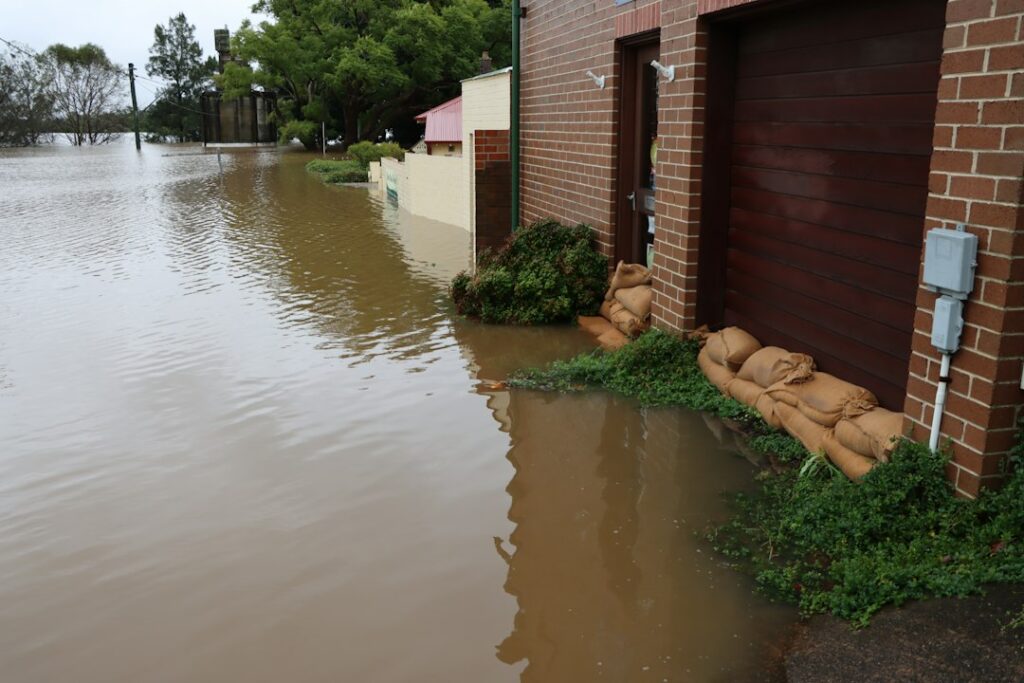
Standing water is removed so materials can begin drying. The sooner extraction starts, the less opportunity water has to spread into additional rooms and building materials.
Step 3: Moisture mapping
Moisture readings help identify wet walls, floors, and cavities beyond the visible flood line.
Step 4: Structural drying
Air movers and dehumidifiers are positioned to dry the affected structure. Progress should be tracked with measurements rather than guesswork.
Step 5: Cleaning and repairs
Depending on the water source, affected areas may require cleaning or sanitation. Once dry, damaged drywall, trim, flooring, cabinets, or paint can be repaired.
For active flooding, see our flood and storm damage cleanup Las Vegas service.
Flood Cleanup Las Vegas: key restoration considerations
For flood cleanup Las Vegas, the correct scope depends on the source, how far moisture traveled, the materials affected, contamination, and how long the area remained wet. Moisture readings and a clear drying or repair plan help avoid relying on surface appearance alone.