
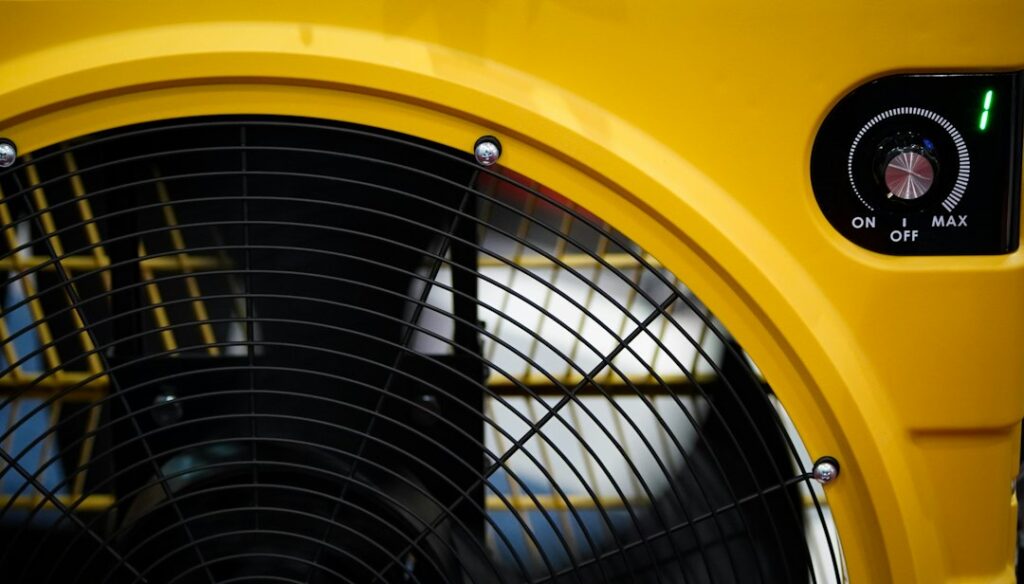
Garage water damage may spread into wall bases and adjoining living spaces while the slab surface looks dry. Structural drying requires checking these porous assemblies separately from the concrete. Structural drying and dehumidification should follow source control and an assessment of affected materials. For garage water damage, ask which assemblies need access, which can be retained and how moisture readings will guide the repair sequence.
Garage water damage can involve much more than a wet concrete floor. These seven checks help Las Vegas owners organize an inspection of walls, stored contents and adjoining rooms before choosing a drying and repair plan.
On this page
Structural drying services for garage water damage
Describe whether the water appeared near a water heater, plumbing connection, exterior opening or ceiling. Record when it started and whether it returned after a fixture was used or rain fell. These observations help the appropriate trade investigate the source. They do not establish a cause on their own, especially when several water paths meet at one wall.
Ask who will repair the source and how that work will be documented. A restoration scope should distinguish leak correction from extraction, drying and reconstruction. If the source remains uncertain, make that uncertainty explicit rather than assuming cleanup resolves it. Share earlier photographs with the inspector so the initial water pattern is not lost after the floor has been cleared.
Advanced structural drying technologies and material checks
Garages often contain powered tools, appliances and stored chemicals. Tell the responding team about electrical equipment in the affected area and avoid entering water near energized components. Do not operate a garage door, appliance or outlet that may be affected until the relevant professional has evaluated it. Keep children and pets away from the work area.
Plan a safe route for the inspection crew and equipment without shifting wet belongings through occupied rooms unnecessarily. If access requires moving a vehicle, explain whether water has affected the area around it. Do not start an engine in an enclosed garage. Ask the team how they will protect the route between the garage and the rest of the property during cleanup.
3. Inspect walls after garage water damage
Concrete that looks dry does not describe the condition of drywall, insulation or framing at the perimeter. Ask the technician to map moisture at affected walls and explain where access is limited by shelves or cabinets. Include any shared wall with living space. A stain near the floor is a reason to investigate the assembly, rather than only replace a visible strip.
For garage water damage near a ceiling, tell the inspector about sagging, discoloration or previous repairs. Avoid standing beneath unstable material or poking a hole to drain it. The scope should identify safe access and the purpose of any opening. Ask how removed materials will be documented before they are disposed of, particularly when the repair may involve an insurance claim.
4. Inventory stored items before garage water damage cleanup
Photograph the overall storage layout and individual wet items when it is safe. Label images with the location and discovery date. Cardboard boxes can obscure what contacted water, so record their contents as the team evaluates them. Separate an inventory of belongings from the building estimate so decisions about tools, furniture and storage containers are not lost in a general demolition allowance.
Ask which items can be moved safely and where they should be staged. Do not assume that every wet item is ruined or that every item can be cleaned. The water source, item material and condition matter. If you have valuable equipment or irreplaceable records, identify them before routine cleanup begins and discuss whether a specialist should evaluate them.
5. Review drying decisions for garage water damage
Ask which materials the drying equipment is intended to address and how progress will be checked. Open doors and Las Vegas weather do not by themselves prove that wall cavities or stored materials are dry. The technician should explain the drying approach for the actual assembly, along with conditions that could require selective removal or a change in equipment placement.
Record any instructions about equipment operation, access and power. Report outages or necessary interruptions promptly instead of simply moving a machine out of the way. A useful progress update describes material conditions and remaining concerns, rather than only the number of days equipment has run. Request the relevant readings and notes when the team determines that retained materials are ready for repairs.
6. Coordinate reconstruction after garage water damage
Before closing a wall, confirm that the source repair and agreed drying checks are complete. Ask the repair team to identify what will be replaced, including insulation, wallboard, trim, paint and storage components where applicable. If the wall or ceiling separates the garage from other space, have the responsible professional identify the assembly requirements before choosing replacement products.
A complete estimate should explain access work as well as the final finish. Clarify who removes and reinstalls shelving, who handles electrical or plumbing work and who repairs the openings. Keep photographs of concealed work. This makes the transition between mitigation and reconstruction easier to follow and helps you compare proposals that may describe different amounts of work.
7. Walk through the finished garage
Compare the repaired areas with the scope and photographs. Check wall finishes, transitions, storage installation and access to maintained equipment. Ask the team to explain any area left unfinished or any item excluded from the estimate. Do not store boxes tightly against a recently repaired area until you understand when the space is ready for normal use.
If a mark or damp area returns, photograph it and record what happened immediately beforehand. A recurrence may require another source investigation; repainting alone does not explain it. Keep repair invoices, drying records and the original leak timeline together. Those records help a future technician understand which areas were affected and which observations are new.
Questions to ask about garage water damage
Can the slab be dried without removing wall materials? The answer depends on the affected assembly and inspection findings. Ask what supports the proposed approach and how inaccessible areas will be evaluated. Does a dry garage floor mean the loss is finished? It is only one observation; walls, contents and adjacent finishes may need separate checks.
Can I use a household fan? Have the water source and contamination concerns evaluated first, especially if water came from outdoors or contacted stored substances. How long will repairs take? Request separate schedules for mitigation, source correction and reconstruction. Product availability, access and conditions revealed during removal can affect the sequence, so ask how changes will be communicated.
Presto Water Damage serves Las Vegas, Henderson and North Las Vegas. Call 725-529-5195 or contact our team to discuss garage water damage. Licensed, Insured, Bonded.
Explore our water extraction, structural drying, repair and reconstruction, mold remediation, restoration services and service areas. Read the EPA moisture-control guide for general background.
Garage Water Damage Cleanup and Drying in Las Vegas is a common question for property owners dealing with a leak or water loss in Southern Nevada. Garages can experience water-heater failures, plumbing leaks, roof intrusion, and storm water. Water can soak drywall, baseboards, stored contents, and wall cavities even when the concrete floor itself appears dry.
Coordinate structural drying with water extraction where needed. Our repair and reconstruction team can discuss the next phase after structural drying checks are complete. See our service areas for local coverage. The IICRC water damage restoration standard provides the professional framework for inspection, structural drying and documentation. Keep records of garage water damage with the source repair and completion photos.