
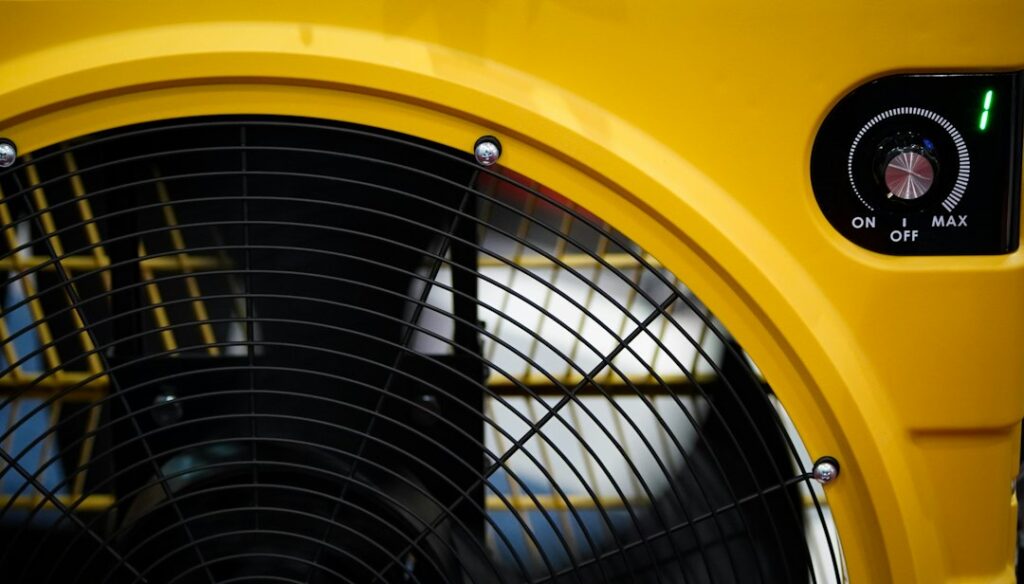
Kitchen water damage can extend beneath cabinet bases and floor coverings. Structural drying planning should identify these concealed layers and coordinate appliance access with plumbing repairs. Structural drying and dehumidification should follow source control and an assessment of affected materials. For kitchen water damage, ask which assemblies need access, which can be retained and how moisture readings will guide the repair sequence.
Kitchen water damage often crosses the boundaries between appliances, cabinets and flooring. These seven checks help Las Vegas owners prepare for an inspection and understand the difference between stopping a plumbing leak and repairing the materials it affected.
On this page
Structural drying services for kitchen water damage
Describe whether you found water during dishwashing, refrigerator use, sink drainage or another activity. Record the discovery time and any earlier signs, such as a damp cabinet bottom or stain near an appliance. The inspection should distinguish a confirmed source from a suspected one. Several plumbing connections can be close together, and the visible puddle may not sit directly beneath the failed part.
Ask the appropriate trade to document the source repair. Keep the invoice, photographs and any explanation of the failed connection. Kitchen water damage restoration addresses affected building materials, while plumbing or appliance work addresses the cause. Clarify which company is responsible for each task so the repair plan does not leave an unresolved source behind finished cabinets.

Advanced structural drying technologies and material checks
Open accessible cabinet doors only when the area is safe and photograph visible staining or changes in the cabinet bottom. Do not force swollen components or remove fixed parts yourself. Ask whether the space behind the toe kick and beside the appliance needs inspection. A cabinet face that looks normal does not establish the condition of the concealed base or adjacent wall.
When kitchen water damage reaches a cabinet run, ask which sections are affected and which can remain. The estimate should explain whether removal is needed for access, because of material condition, or both. Distinguishing those reasons helps you understand why an apparently undamaged section might need temporary removal without assuming the entire kitchen requires replacement.
3. Map kitchen water damage beneath flooring
Ask the technician to examine the floor beyond the initial puddle, including transitions to nearby rooms and the perimeter around cabinets. Flooring can conceal layers that are not visible from the surface. Request a description of the materials inspected and any areas that cannot be evaluated without access. A moisture map should show the inspection boundaries and the reasons for further investigation.
For kitchen water damage under a floating floor or near an island, discuss how the assembly will be evaluated before a final repair scope is approved. The surface pattern alone does not tell you whether the underlying materials can be retained. Ask what evidence supports drying in place and what findings would change that plan. Keep those decision points in the written scope.
4. Protect contents during kitchen water damage work
Record affected food storage, utensils, small appliances and belongings separately from cabinets and flooring. Ask the responding team about items that contacted the water, particularly if the source or contamination history is uncertain. Do not place wet contents on an unaffected countertop or carpet without considering how moisture and residue could transfer. Photographs help maintain an accurate record as items are moved.
Discuss access to cooking, refrigeration and drinking water while work is underway. Equipment and temporary openings can limit normal kitchen use. Ask which areas should be avoided and whether appliances need a qualified person to disconnect or reconnect them. A practical work plan includes the occupied household, rather than treating the kitchen as an empty room.
5. Review drying and removal decisions
For kitchen water damage, a useful drying plan identifies retained materials and the route by which moisture will leave them. Ask how the team will check cabinet bases, the wall behind the sink and flooring layers. Running equipment in the room is only one part of the process. Progress should be evaluated against the actual materials and accessible inspection points.
If selective removal is proposed, request an explanation of the affected area and the reason for each opening. The source, exposure history, contamination and physical condition can influence those decisions. Ask how the crew will protect countertops, adjacent finishes and contents. Document newly exposed damage before the scope changes so the final estimate reflects observations rather than an unexplained increase.
6. Coordinate kitchen water damage repairs
Before rebuilding, confirm completion of source repair and the agreed drying checkpoints. Ask who handles plumbing, appliance connections, cabinet installation, flooring and painting. A repair may require several trades in a particular order. Clarify responsibility for temporary support and disconnection where cabinets or countertops need removal, rather than assuming those tasks are included in a finish allowance.
Discuss matching before authorizing replacement products. Existing cabinet profiles, flooring and paint may not be readily available. Ask for samples and an explanation of which runs or transitions will change. The estimate should separate water-related material damage from additional work needed for access or a consistent finish. Keep that distinction visible when reviewing the proposal with an insurer.
7. Inspect the finished kitchen
At the walkthrough, compare the repaired area with the scope and pre-work photographs. Review cabinet doors, drawers, floor transitions, trim and paint. Have the appropriate professional confirm that disconnected plumbing and appliances have been returned to service. Ask who to contact if a connection leaks or a finish issue appears after normal use resumes.
Retain the documentation for kitchen water damage, including source repair, drying notes and concealed-work photographs. If moisture returns, record the date, appliance activity and location before calling the responsible company. A new stain should prompt investigation of the cause instead of repeated cosmetic touch-ups. These records help distinguish a recurring issue from a separate later leak.
Kitchen water damage questions before you approve work
Must every cabinet be replaced? Ask for decisions based on the material, condition and access requirements of each affected section. Can I keep using the sink? Follow the plumber’s and restoration team’s instructions for the specific loss. A repaired supply connection does not automatically establish that the surrounding area is ready for normal use or finish repairs.
How long will the kitchen be unavailable? Request separate estimates for mitigation, product lead times and reconstruction. What will insurance pay? Your insurer determines coverage under the policy and circumstances of the loss. Keep accurate receipts and reports, and ask how additional discoveries should be documented. A restoration estimate describes proposed work; it does not guarantee coverage.
Presto Water Damage serves Las Vegas, Henderson and North Las Vegas. Call 725-529-5195 or contact our team to discuss kitchen water damage. Licensed, Insured, Bonded.
Explore our water extraction, structural drying, repair and reconstruction, mold remediation, restoration services and service areas. The EPA guide to moisture control explains why addressing the water problem matters before finishes are restored.
Kitchen Water Damage Cleanup After a Plumbing Leak is a common question for property owners dealing with a leak or water loss in Southern Nevada. Kitchen leaks can come from sinks, faucets, supply lines, dishwashers, refrigerators, or drain connections. Water can travel under cabinets and flooring, making moisture mapping especially important before rebuild work begins.
Coordinate structural drying with water extraction where needed. Our repair and reconstruction team can discuss the next phase after structural drying checks are complete. See our service areas for local coverage. The IICRC water damage restoration standard provides the professional framework for inspection, structural drying and documentation. Keep records of kitchen water damage with the source repair and completion photos.