
On this page
- Keep people away from electrical, ceiling, and floodwater hazards; follow emergency directions.
- Report the property location, observed water entry, and safe access arrangements.
- Coordinate evaluation of the roof, window, drainage, or other suspected source.
- Document accessible damage and the discovery timeline accurately.
- Review the proposed extraction, removal, and drying scope room by room.
- Ask how progress and additional findings will be explained before finish repairs.
- Review reconstruction, approved changes, and open items against the written agreement.
Archive note: This article was originally prepared for the October 10–11, 2026 storm period. Its dated forecast context is historical. For current conditions and alerts, check the National Weather Service links below.
Preparing for Las Vegas storm water damage starts before rain enters your property, especially if your home or commercial property has a known roof leak, previous ceiling damage, or poor drainage. Presto Water Damage provides water damage repair and restoration in Las Vegas, helping owners move from emergency cleanup and drying to the repairs needed to put the property back together.
For changing conditions and location-specific alerts, follow the National Weather Service Las Vegas office and its Las Vegas forecast. This article is a dated preparation guide, not a live weather warning feed.
From a safe ground-level location, check whether outdoor drains are obstructed, loose yard items need securing, and doors or windows are properly closed. Move valuables away from areas that have leaked before. Keep your phone charged and have your property address, management contact and insurance information available.
Do not climb onto a roof, use a ladder in gusty conditions, or attempt exterior repairs during lightning or heavy rain. For a known roof problem, describe the location and previous leak history when requesting an assessment. Access and temporary protection depend on conditions being safe for the crew.
Storm water damage after heavy rain: safety first
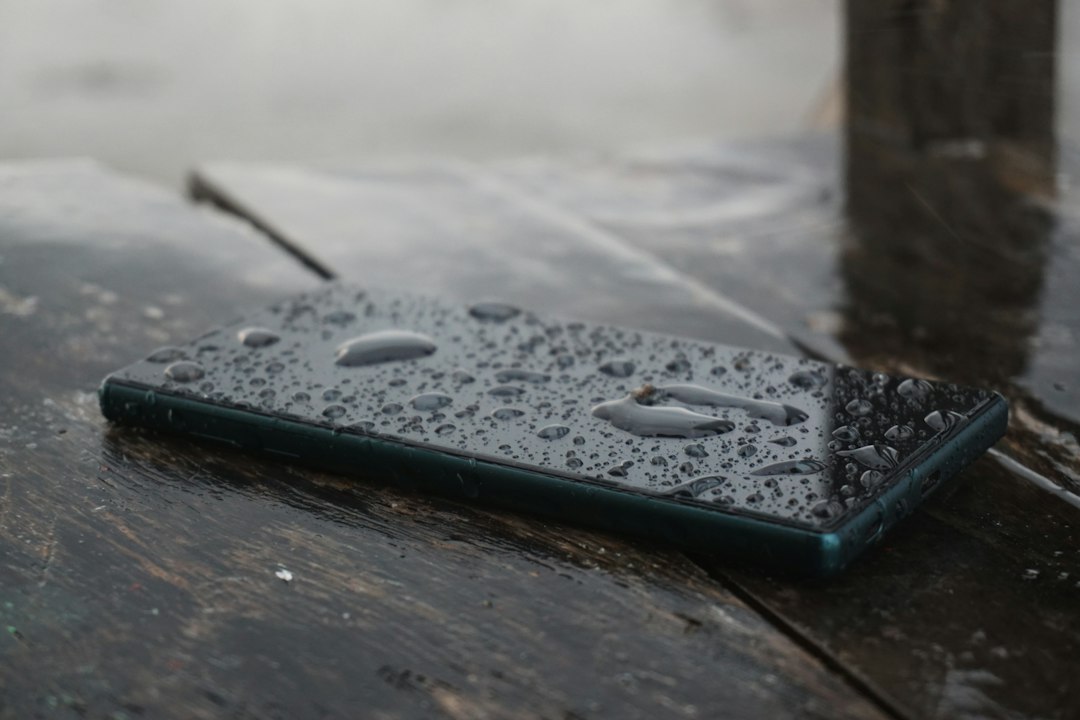
Keep people and pets away from damaged rooms. A sagging ceiling, falling material, water near lights or outlets, or rapidly rising water requires immediate caution. Do not stand beneath a bulging ceiling or try to puncture it. If there is immediate danger, leave the area and contact emergency services.
Do not enter standing water to reach electrical equipment or a breaker panel. Arrange electrical safety assessment through qualified personnel when needed. Do not drive or walk through floodwater. Follow official evacuation directions and road closures; a restoration appointment never takes priority over getting to safety.
If the area is safe, take photos from a dry location and move unaffected belongings away from the wet area. Do not disturb suspected contaminated water. Tell the restoration team whether the water entered from the roof, outside runoff, a plumbing problem, or an unknown source. Those details help guide the assessment.
Flood water and hidden moisture
After a roof leak, water may travel through ceiling cavities and down walls before you see a stain. Damp insulation, wet drywall, swollen baseboards, lifted flooring and affected cabinets can require inspection even after surface water has been removed. The location of a stain does not necessarily identify the exterior entry point.
Signs of storm water damage such as fresh ceiling discoloration, peeling paint, a damp floor edge or water around a window should be documented and assessed. Painting over the mark or replacing a small visible patch does not address moisture trapped behind the finish. The first goal is to understand the water source and the extent of affected materials.
Flood damage cleanup and structural drying
Presto Water Damage can assess storm water damage, identify affected areas, review cleanup needs and plan the restoration scope. Work may include water extraction, moisture checks, controlled removal of unsalvageable materials, drying equipment and repairs based on the condition of the property.
Our emergency water extraction service addresses standing water where access and conditions allow safe work. Extraction is only one part of storm water damage restoration. The source, affected surfaces and possible contamination also need review.
Structural drying and dehumidification address moisture remaining in building materials. Drying progress should be checked before new finishes close up the affected area. A fixed number of equipment days cannot be promised without assessing the materials and conditions.
After drying and necessary preparation, Presto Water Damage can provide drywall water damage repairs and discuss the remaining restoration work. The storm water damage repair scope should explain what will be removed, what can remain and which repairs follow.
The EPA moisture and mold guide recommends drying water-damaged areas and items within 24–48 hours to help prevent mold growth. That is a reason to act promptly, not a guarantee that every wall or floor can be fully dried within that period.
Do not cover damp materials or paint over mold. Extensive damage, suspected hidden mold or contaminated water needs professional assessment. If mold-related work is needed, review our mold remediation services as part of the overall restoration plan.
Document Storm Water Damage and Keep the Repair Scope Clear
When it is safe to document storm water damage, photograph the affected rooms, damaged belongings and visible entry points. Record when you first noticed the water and keep invoices, estimates and communications. Before discarding damaged items, ask your insurer what documentation it needs, while prioritizing urgent safety and necessary mitigation.
Ask your insurer about your specific policy, cause of loss and claim requirements. This article does not promise coverage or claim approval. A repair estimate and a coverage decision are separate matters. A useful restoration scope identifies extraction, drying, removal, repairs and any additional roofing or rebuild work.
The difference between source repairs and storm water damage restoration
A homeowner may see one problem: rain is entering the living room. The repair plan often has two parts. The roof assessment identifies and addresses the opening or failed assembly allowing water in. The restoration assessment identifies where water traveled after entering. A repaired roof does not prove that ceiling insulation, wall cavities or flooring are dry. Likewise, drying equipment cannot permanently correct a damaged roof. Coordinating both scopes helps prevent work from being repeated after another shower.
Keep the information from each assessment together. Ground-level photos, the approximate time the leak started and the rooms affected can help the roofing and restoration teams compare findings. Ask for a clear explanation of temporary protection versus permanent repairs. Visit Presto Roofing LV for roof damage assessment and repair, while keeping Presto Water Damage as your contact for interior cleanup, drying and restoration. Roof access must wait when wind, lightning or slippery conditions make work unsafe.
If rain enters your home or business, contact Presto Water Damage at 725-529-5195 or request water damage help online. Provide the address, a safe callback number, affected rooms, photos if available and whether water is still entering.
Presto Water Damage handles storm water damage cleanup, drying and repairs. Roofing needs can be reviewed through Presto Roofing LV, interior repairs through Call 4 Handyman, and larger rebuild projects through Batito Construction Group. Start with safety, then address the source, dry affected materials and agree on a clear repair plan.
Sources: National Weather Service Las Vegas; Las Vegas point forecast accessed October 10, 2026; NWS flood safety guidance; EPA moisture and mold guidance.
Ask the restoration team to explain the difference between water damage from a roof opening and outside runoff entering the building. Flood water damage may involve contaminants and different material-removal decisions. When describing a water damage flood event, report what you observed without guessing its classification. Ask your insurer which parts of the loss are covered by homeowners insurance; the contractor cannot determine coverage from the appearance of a stain.
National Weather Service flood safety video:
EPA guidance on drying a flooded home before rebuilding: