
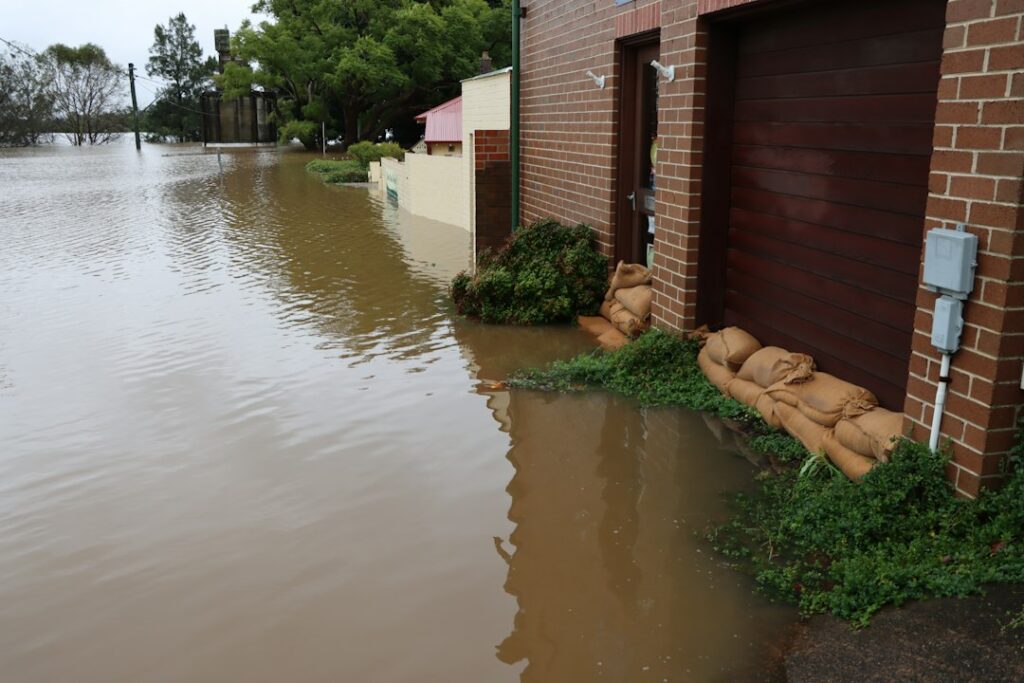
Monsoon water damage needs a response that considers both the entry path and affected indoor materials. These seven checks help Las Vegas owners document storm-related observations, arrange appropriate source repairs and plan drying without relying on the appearance of a surface alone.
On this page
1. Record monsoon water damage after conditions are safe
Wait until you can observe the property safely. Do not enter moving water, approach downed lines or climb onto a wet roof to collect evidence. Photograph visible conditions from a safe position and note when water was first seen indoors. Record what you actually observed rather than assigning an exact rainfall amount or storm warning that you have not verified.
For monsoon water damage, a simple timeline can connect indoor changes with the weather event without proving the precise entry point. Include earlier stains and previous repairs so the inspection can distinguish old conditions from new observations. Keep original photographs and messages. If an area was inaccessible during the storm, note the limitation and arrange a later professional inspection.
2. Investigate roof and upper-wall entry paths
Tell the qualified roofing professional where stains appeared and whether water entered around a ceiling opening, wall transition or another feature. A visible mark does not establish which roof component failed. Ask for source findings and photographs from safe professional access. Keep roof repair separate from the restoration scope for wet insulation, drywall and other materials indoors.
When monsoon water damage appears after repeated rain events, provide the full history rather than only the latest photograph. A temporary protective measure and a permanent repair may be separate steps. Ask what remains uncertain and who will confirm the completed source work. Avoid approving interior paint while an unresolved entry path still needs investigation.
3. Check windows, doors and exterior transitions
Photograph accessible stains at opening corners, adjacent trim and nearby flooring. Record whether water was seen entering or only discovered afterward. A window-area stain may require investigation of surrounding transitions as well as the visible frame. Let the qualified repair professional identify the cause instead of applying sealant to every joint without a diagnosis.
For monsoon water damage near a door or garage opening, describe visible runoff and the path water took when known. Do not assume that every exterior-water event has the same cause or repair. Ask whether additional evaluation of drainage, opening details or adjacent surfaces is needed. The source scope should explain what will be corrected and what follow-up observations may still be useful.
4. Evaluate the materials affected by monsoon water damage
Ask the restoration team to document the water source and contact history before choosing cleaning and drying methods. Outside water should not automatically be handled like a small indoor supply-line spill. Tell the team about visible debris, affected contents and any substances stored along the water path. Keep people and pets away from areas that have not been evaluated.
The monsoon water damage inspection should identify affected wall and floor assemblies, not only the first wet surface. Ask how the team will investigate concealed moisture and note limited-access areas. Decisions about removal should be explained in terms of condition, contamination and access. The water’s appearance alone does not establish that a material is suitable to retain.
5. Inspect beyond the visible storm stain
Water can move within an assembly before appearing inside a room. Ask which adjoining surfaces and cavities were checked based on the observed pattern. A ceiling mark, wall stain and damp floor may be connected, or they may need separate source investigations. The report should distinguish those possibilities rather than present a single assumed path as a confirmed fact.
For monsoon water damage near built-ins or fixed flooring, discuss how inaccessible areas will be evaluated. A moisture map should show inspection locations and any uncertainty that remains. Ask what evidence supports retaining each material and what would lead to selective removal. This gives owners a practical basis for reviewing the scope before finished surfaces conceal the work.
6. Coordinate drying with source correction
Removing visible water is one phase of the response. Ask how retained materials will be dried, where conditions will be monitored and how continued rain or an unresolved source could affect progress. Equipment placement should serve the actual assembly. Do not assume that outdoor heat or a room feeling comfortable establishes that wet insulation or a concealed floor layer is dry.
The plan for monsoon water damage should identify who handles source work, mitigation and reconstruction. Record interruptions, returning water and scope changes. If an opening reveals additional damage, request photographs and an explanation before the area is closed. Completion should follow agreed inspection checkpoints rather than a fixed number of days or the disappearance of the initial puddle.
7. Rebuild and monitor after monsoon water damage
Before repairs, confirm the source work and drying checks. Have the reconstruction estimate identify affected insulation, drywall, trim, flooring and finishes as applicable. Discuss matching and product lead times early. Keep optional improvements separate from damage restoration so the final estimate clearly explains which work addresses the loss and which work reflects a separate owner choice.
At the walkthrough, compare the finished areas with photographs and the written scope. Keep concealed-work records and the source-repair documents. If a mark returns during later rain, record the date, location and circumstances and contact the responsible company. Do not simply repaint a recurring stain; another investigation may be needed to identify the cause.
Responding to heavy rain: monsoon water damage questions
Can I inspect my roof myself after the storm? Avoid unsafe roof access and arrange a qualified inspection. Does a dry ceiling mean the assembly is ready for paint? Ask for the relevant inspection and drying records. Is outside flooding covered by my ordinary policy? Coverage depends on the policy and cause; ask your insurer rather than relying on the term storm alone.
Should I wait to document the damage? Photograph conditions promptly when safe, but do not delay urgent assistance for better images. What if the source is disputed? Keep factual observations, professional reports and repair records together. An inspection can document conditions without assigning unsupported fault. Ask what further evaluation is needed to resolve the remaining source questions.
Prepare a storm response file for the visit
Gather discovery photographs, a short timeline and any earlier roof, window or drainage repair records. Identify the rooms affected and explain access restrictions. If occupants or another unit are involved, coordinate entry through the responsible owner or manager. The initial visit is more useful when the team knows both the visible changes and the questions that remain unanswered.
After work, keep an index of the source correction, mitigation and reconstruction documents. Include receipts and dated progress photographs. Accurate records support communication with service providers and insurers, but do not guarantee coverage or a particular outcome. If further rain reveals a change, add a separate dated entry so the original event record remains intact.
Presto Water Damage serves Las Vegas, Henderson and North Las Vegas. Call 725-529-5195 or contact our team to discuss monsoon water damage. Licensed, Insured, Bonded.
Explore our water extraction, structural drying, repair and reconstruction, mold remediation, restoration services and service areas. Read the EPA household moisture guide for general moisture-control information.
The monsoon in Las Vegas: watch current alerts
Use the National Weather Service Las Vegas office for current local weather information before arranging access. Monsoon season water damage prevention starts with safe preparation and timely source repairs.
Watch heavy rain: keep source and drying records together
Retain the source findings, dated moisture checks, approved scope changes and final walkthrough notes. These records help explain what was addressed and which areas need follow-up.
During monsoon season in Las Vegas, preparation should reflect the individual property. Buildings near the Las Vegas Strip and homes in southwest Las Vegas can have different roof details, exterior openings and drainage arrangements. Record the actual entry points and affected rooms rather than assuming that neighboring properties need identical repairs.
National Weather Service video on avoiding dangerous floodwater: