prevent mold after water damage is the main topic of this guide for Southern Nevada property owners. The sections below explain what to look for, how moisture can spread, and when professional drying, cleanup, or repair may be appropriate.
Mold prevention after water damage starts with one thing: controlling moisture. Wiping up the visible water is not enough if drywall, flooring, cabinets, or insulation remain wet.
Stop the water source
Repair the leak, shut off the supply, or correct the drainage problem before focusing on cosmetic cleanup. Drying cannot succeed if new water continues to enter the area.
Remove standing water
Water sitting on floors can spread into baseboards, wall cavities, and adjacent rooms. Extraction limits how far the water travels and makes structural drying more effective.
Find hidden moisture
Moisture meters can help identify wet materials that are not obvious by touch. Common hidden areas include wall cavities, cabinet bases, carpet padding, and the space below floating floors.
Use proper drying equipment
Air movers increase evaporation while dehumidifiers remove moisture from the air. Equipment should be placed based on the size and layout of the affected area, not randomly.
Do not seal wet materials
Avoid painting, caulking, reinstalling baseboards, or covering walls until drying is complete. Sealing in moisture can create problems later.
Know when remediation may be needed
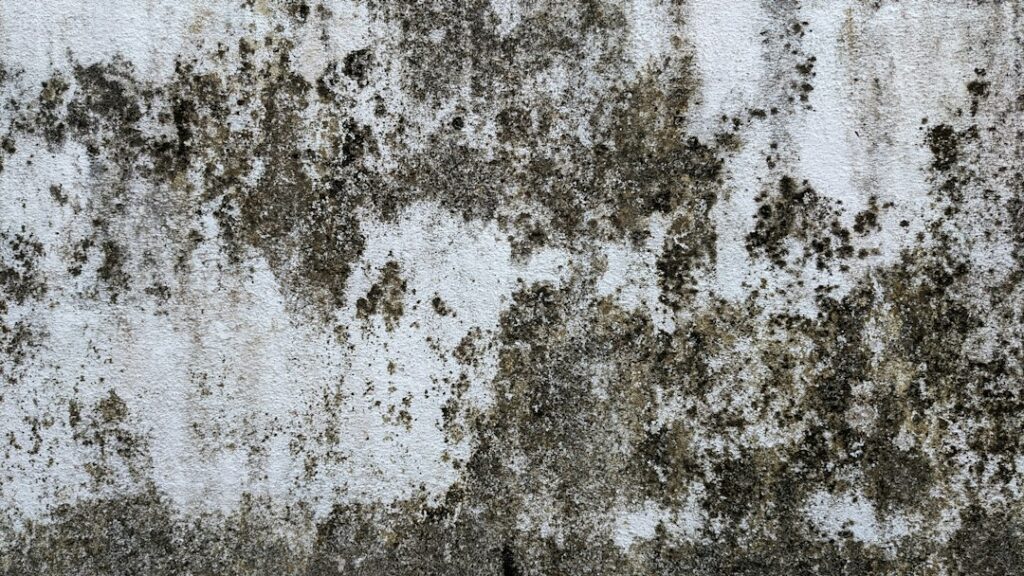
If visible growth or persistent odor is present, drying alone may not be enough. See our mold remediation Las Vegas page for information about cleanup after water damage.
Prevent Mold After Water Damage: key restoration considerations
For prevent mold after water damage, the correct scope depends on the source, how far moisture traveled, the materials affected, contamination, and how long the area remained wet. Moisture readings and a clear drying or repair plan help avoid relying on surface appearance alone.