
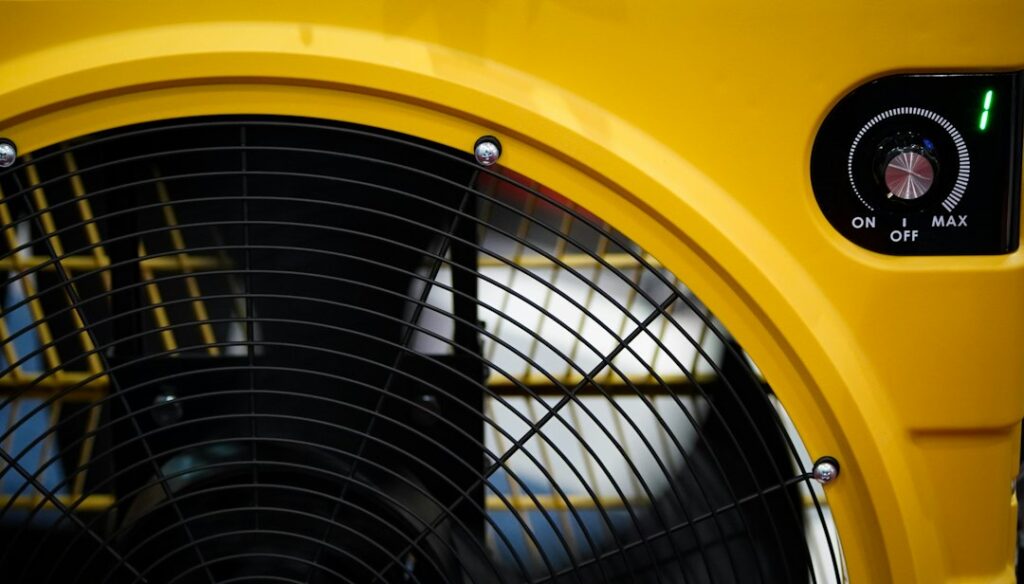
A suspected slab leak needs a qualified plumbing investigation and a separate assessment of affected building materials. These seven checks help Las Vegas owners organize observations, source-repair records and restoration decisions without treating a warm spot or stain as a diagnosis.
On this page
Signs of a slab leak: record observations accurately
Write down what changed and when you noticed it. Examples worth reporting include unexplained dampness, changes in floor appearance, water sounds or a change in use that you cannot account for. These observations can prompt a plumbing assessment, but none establishes a slab leak by itself. Keep the description factual rather than assigning a specific concealed pipe failure without an investigation.
Photograph visible changes from a safe location and note affected rooms. Include earlier leaks and repairs that may help the professional understand the history. Do not cut flooring or open the slab to search for a source yourself. A qualified professional should determine the appropriate investigation and access method for the actual property, utilities and conditions involved.

Slab leak detection and source investigation
Ask the plumbing professional to explain what has been confirmed and what remains suspected. A useful report distinguishes the location and nature of the source findings from the visible finish damage. Keep the report and any available service photographs. The restoration team can then plan around documented information instead of assuming that the first wet spot sits directly above the failed component.
For a slab leak investigation, clarify the proposed access and repair approach before permanent work begins. This article does not determine which plumbing repair method is appropriate for your home. Ask about the relevant options, work area and responsibilities, including who restores any opening after the source is corrected. A source-repair estimate and a finish-repair estimate may cover different tasks.
Water leak under the house: inspecting affected flooring
Tell the restoration technician which floor areas changed first and where dampness appeared later. Ask how the assessment accounts for the visible finish and layers beneath it. Carpet, floating planks, wood and tile can involve different assemblies. A surface looking unchanged does not establish the condition of every concealed material, and a visible defect does not by itself establish the full affected boundary.
The slab leak restoration plan should identify inspection locations and areas that remain inaccessible. Ask how the team will resolve those uncertainties before selecting retention, removal or replacement. An isolated reading or photograph needs context about the material and assessment method. Have the technician explain how the observations support the proposed work rather than treating a single display as a complete assessment.
Slab leak: how to prevent additional wall and cabinet damage
Water observed near the floor may warrant inspection of lower wall materials and nearby fixed components. Ask which areas the moisture pattern suggests should be checked. Baseboards, cabinet faces and finished flooring can conceal access limitations. Record what was inspected and what could not be reached without additional work. Do not automatically assume the affected boundary stops at a cabinet or doorway.
When slab leak access requires removing trim or a cabinet section, distinguish temporary access work from replacement because of damage. Ask which components can be reused and how they will be protected. Photographs of the original arrangement help reconstruction. The estimate should explain the reasons for removal and identify who handles plumbing, appliance connections or other work disturbed during access.
5. Coordinate slab leak repair with drying
Correcting the plumbing source and drying affected building materials are separate steps. Ask the plumber for a clear completion record and give it to the restoration team. If the source remains uncertain or water returns, have that information reflected in the work plan. Do not assume the disappearance of a visible puddle establishes that either the source correction or structural drying is complete.
For slab leak damage, ask which materials will be retained and how their condition will be monitored. The team should explain the drying route, accessible inspection points and conditions that would require a scope change. Las Vegas heat and equipment operating in a room do not by themselves establish that concealed floor layers or cavities have reached the agreed completion conditions.
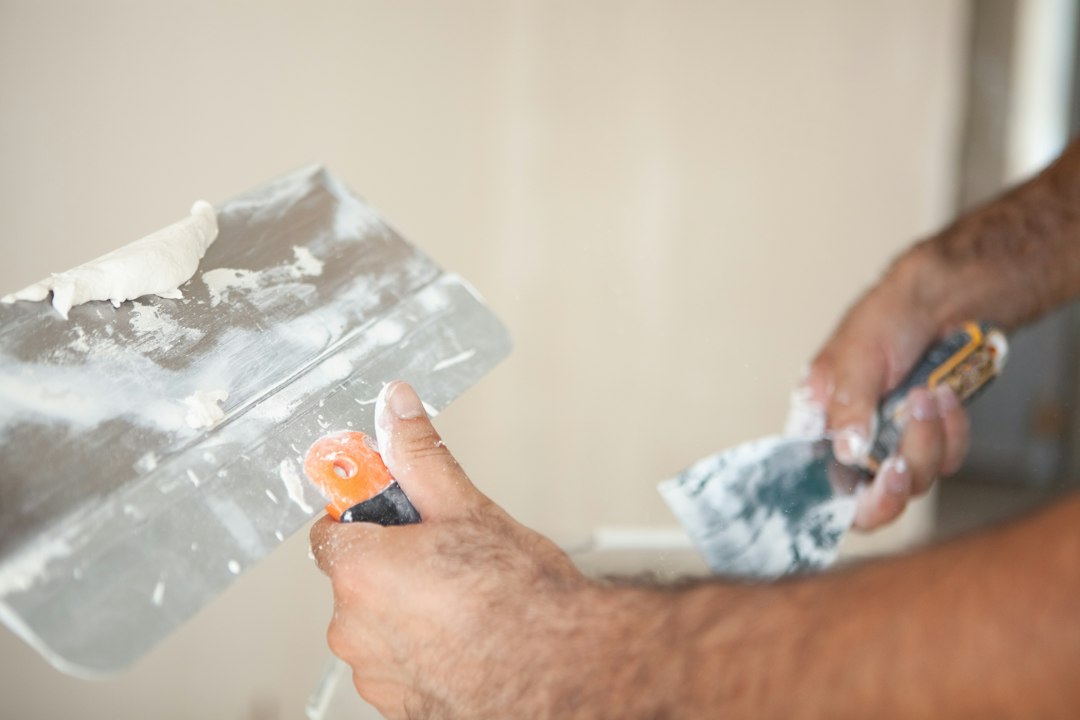
6. Define the reconstruction scope after a slab leak
Before closing access openings or installing replacement finishes, confirm the agreed source-repair and drying checkpoints. Ask how the affected floor or wall assembly will be restored and which professional handles each stage. The estimate should distinguish the plumbing opening, damage-related removal, substrate preparation and final finishes where applicable. A broad allowance may leave important responsibilities unclear.
Discuss product matching and installation requirements before ordering new flooring or trim. The original material may not be available, so ask for samples and a defined transition or replacement boundary. Keep optional upgrades separate from restoration work. A written sequence helps avoid installing a new finish before another trade needs access to the same area or before required substrate checks have been completed.
7. Review the slab leak repair record and finished work
At the walkthrough, compare the completed repair with the scope and photographs. Ask for source-repair documentation, relevant drying notes and photographs of work that is now concealed. Check visible flooring transitions, trim and wall finishes. Have the responsible company explain any unfinished or excluded area so the project is not considered complete based only on the main room looking better.
If another damp area appears after slab leak repairs, record the date, exact location and circumstances. Contact the appropriate professional rather than assuming it is the same source or an expected cosmetic issue. Keep follow-up observations separate from the original completion records. A clear history helps the next investigation distinguish recurring damage from a new condition elsewhere in the property.
Slab leak questions before authorizing repairs
Does a warm floor prove a slab leak? It is an observation to report, not a complete diagnosis. Should I remove flooring first? Ask the qualified investigator and restoration team to coordinate access for the actual loss. Can all flooring be saved? Decisions should reflect material condition, source history and the ability to inspect and dry the assembly.
Does insurance cover the plumbing and restoration work? Ask your insurer about the policy and specific facts; coverage of one task does not automatically answer every other question. How long will repairs take? Separate investigation, source work, mitigation, product availability and reconstruction in the schedule. Ask how newly exposed conditions or additional access requirements will be documented and communicated.
Prepare for a slab leak damage inspection
Gather discovery photographs, a short timeline, relevant service records and available flooring information. Explain previous repairs in the same area and whether water has returned since the first visit. Tell the team about occupied rooms, fixed storage and access restrictions. Accurate background information helps focus questions without replacing the professional investigation needed to establish the source and affected materials.
Keep one organized file for plumbing assessment, source correction, moisture evaluation and reconstruction. Add estimates, invoices and progress photographs in date order. A clear index makes the file easier to share with a property manager or insurer. Documentation supports communication, while the insurer remains responsible for policy coverage decisions and the relevant professionals remain responsible for their specific repair recommendations.
Presto Water Damage serves Las Vegas, Henderson and North Las Vegas. Call 725-529-5195 or contact our team to discuss slab leak. Licensed, Insured, Bonded.
Explore our water extraction, structural drying, repair and reconstruction, mold remediation, restoration services and service areas. Read the EPA guide to household moisture for general information about addressing water problems and wet materials.
Slab leaks can be difficult to spot because the plumbing is below the floor. By the time visible damage appears, water may already have spread into flooring, baseboards, walls, or nearby rooms.
Common warning signs
- Warm or unusually cool areas on the floor
- Unexplained increases in water use
- Flooring that begins to lift, warp, or discolor
- Damp carpet or a musty smell with no obvious spill
- Water sounds when fixtures are off
- Cracks or moisture near the slab edge
Why slab leaks can cause hidden damage
Water under a slab can migrate along flooring systems and wall plates. The visible wet area may be smaller than the actual affected area, especially when moisture moves under cabinets or floating floors.
What happens after the leak is repaired?
Once the plumbing source is corrected, affected materials should be checked for moisture. Drying may involve air movement, dehumidification, selective removal of wet materials, and continued monitoring.
Presto provides slab leak water damage restoration in Las Vegas and complete repair after the plumbing source is addressed.
Slab Leak Water Damage Las Vegas: key restoration considerations
For slab leak water damage Las Vegas, the correct scope depends on the source, how far moisture traveled, the materials affected, contamination, and how long the area remained wet. Moisture readings and a clear drying or repair plan help avoid relying on surface appearance alone.
Separate observations from a diagnosis. Slab leak water damage can be suspected when a floor changes condition or moisture appears without an obvious indoor source. Those observations do not establish which pipe or building component is responsible. Write down the location, date and visible change, then ask the qualified professional what testing is needed. If a room was inaccessible, include that limitation. Avoid describing a suspected cause as confirmed in a message to a contractor, property manager or insurer. Photographs should show the surrounding room as well as the affected finish so the inspection can follow the reported pattern.
Understand the detection report. Ask what was tested, where findings were recorded and which areas could not be evaluated. A slab leak water damage restoration plan should distinguish the plumbing investigation from assessment of wet building materials. The plumber may identify a source while the restoration team documents the affected assembly. Keep those reports together, but do not assume that one report answers every question in the other. If the source is still uncertain, request a clear description of the next proposed step and who will arrange it before authorizing finish repairs.
Compare access and repair scopes. A proposal for slab leak water damage should explain the work location and access needed. Ask whether a plumbing access opening, removal of affected finishes and later reconstruction are included or separately arranged. The visible stain may occupy less area than the practical repair. Discuss how doors, cabinets, appliances or stored items affect access. A written scope should identify known work and explain allowances for conditions that cannot yet be seen. Keep optional upgrades separate so you can compare the restoration work with another estimate on the same basis.
Plan for occupants and contents. When arranging slab leak water damage work in an occupied home, explain which rooms and routes are important to the household. Ask the team where work restrictions apply and who should be contacted if conditions change. Identify furniture or belongings that may obstruct inspection without moving heavy items through an unsafe area. If an owner or manager will be absent, appoint a contact who can coordinate access and receive findings. Record scheduling decisions so the plumber, restoration provider and repair contractor are working from the same information.
Review retained materials before replacement. For slab leak water damage, ask what supports retaining the existing flooring, underlayment or cabinet components. A surface can look improved while an inaccessible layer remains under review. The inspection should explain which areas were checked, what remains uncertain and which conditions would change the removal decision. Before approving a new floor or finish, confirm the relevant drying checks and product requirements with the responsible professionals. Keep those records with the selected products and written repair scope so the basis for the installation can be understood later.
Keep payment and coverage questions specific. Keep the slab leak water damage agreement, source reports, photographs and estimates organized by date. Ask the insurer which documents it needs and refer to the complete policy and endorsements when discussing coverage. The Nevada Division of Insurance policy guide explains why conditions, limitations and exclusions must be reviewed together. A contractor can describe observed conditions and proposed work, but cannot guarantee the insurer’s decision. Ask who will approve additional work and how changes to the agreed scope will be recorded.
Make the final walkthrough useful. At the end of slab leak water damage repairs, compare the finished locations with the most recent scope and the progress photographs. Discuss any open item before signing completion paperwork and retain the source correction record. Ask who to contact if another moisture change appears and what information will help evaluate it. A later stain or flooring change should be documented with its discovery date and location rather than assumed to be part of the original event. Keep the original records intact and add later observations as separate entries.
EPA guidance on drying a flooded home before finish repairs: