Structural Drying Green Valley, NV
structural drying Green Valley NV is available from Presto Water Damage for homes, rentals, managed properties, and businesses in Green Valley. Structural drying removes moisture left behind after visible water is extracted and helps protect drywall, framing, flooring, and cabinets. Green Valley properties include established homes, townhomes, rentals, and commercial spaces where leaks can move beneath tile, laminate, cabinets, and wall finishes before the damage is obvious.
On this page
structural drying Green Valley NV: service overview
We inspect the source, define the affected area, and look beyond the first visible wet surface. Moisture can move beneath flooring, behind trim, through drywall, inside cabinets, and into insulation, so the restoration plan should match the actual conditions at the property. The goal is to control the immediate problem, reduce additional damage, and create a clear plan for drying and repair. Drying is monitored over time because materials release moisture at different rates. Equipment placement can be adjusted as readings change and wet areas shrink.
Inspection and moisture mapping in Green Valley
We review visible damage and check surrounding materials to understand how far water or moisture traveled. This helps separate materials that may be dried and restored from materials that may need controlled removal. Moisture readings are especially useful around baseboards, lower drywall, cabinets, flooring transitions, closets, utility rooms, and other areas where water can remain hidden.
In Green Valley, older plumbing components, tiled living areas, vanities, kitchen cabinets, and slab-on-grade construction can hide moisture along lower walls and beneath finished flooring.
Drying and moisture control
After the immediate water problem is controlled, air movement, dehumidification, and moisture readings are used as appropriate. Drying decisions are based on the source, material type, contamination, access, and the condition of the affected building materials. A surface that feels dry can still contain moisture deeper inside the assembly, which is why monitoring matters throughout the process.
Typical restoration steps
- Identify or confirm the water source is controlled.
- Map visible and hidden moisture.
- Extract standing water when present.
- Remove materials that cannot be safely restored when necessary.
- Set drying equipment and monitor progress.
- Complete repair and rebuild after affected materials are ready.
Repair and rebuild after water damage
Once drying and cleanup are complete, reconstruction may include insulation, drywall, texture, paint, baseboards, flooring, trim, cabinets, and other affected finishes. Presto Water Damage connects the mitigation phase with the rebuild phase so the project has a clear path to completion instead of leaving the property unfinished after drying equipment is removed.
What affects the restoration scope?
The scope is influenced by the source of the water, how long materials stayed wet, whether contamination is present, the type of flooring and wall system, the condition of cabinets or trim, and whether moisture reached concealed spaces. Two properties with similar visible stains can require very different drying or repair plans.
We also consider whether affected materials have swollen, delaminated, lost strength, developed staining, or become difficult to access for drying. These details help determine whether a material can remain in place or should be removed before the rebuild phase.
What property owners can do before service
If it is safe to do so, stop or isolate the water source and keep people away from areas with standing contaminated water, electrical hazards, or sagging ceilings. Avoid removing building materials until the affected area has been evaluated, because opening walls or floors can change the scope and may expose hidden contamination or electrical components.
Why choose Presto Water Damage in Green Valley
Our approach combines mitigation, drying, documentation, and reconstruction planning. That means the same restoration project can move from emergency response into repairs without losing track of what was affected. We focus on clear communication, practical repair decisions, and work that matches the actual conditions found at the property.
For structural drying Green Valley NV, our goal is to identify what is wet, dry or remove the right materials, document the work, and then restore the damaged finishes in a logical sequence.
Local restoration considerations in Green Valley
Green Valley properties include established homes, townhomes, rentals, and commercial spaces where leaks can move beneath tile, laminate, cabinets, and wall finishes before the damage is obvious. We tailor the scope to the property instead of using the same drying or repair plan for every loss. Plumbing layout, flooring type, wall construction, cabinets, insulation, and how long materials stayed wet can all change the restoration plan.
Nearby and related restoration services
For nearby coverage, see Structural Drying Centennial Hills, NV and Structural Drying Boulder City, NV. For additional work in Green Valley, see Mold Remediation Green Valley and Water Damage Repair & Rebuild Green Valley.
Explore our water damage services, Green Valley service area page, and restoration gallery. For general information about moisture and mold, see the U.S. EPA mold resources.

Structural Drying Green Valley, NV FAQs
How quickly should water damage be evaluated?
As soon as practical. Moisture can spread into materials that are not visibly wet, so early inspection can help define the true affected area.
How do you know when materials are dry?
Drying decisions should be based on moisture readings and the condition of the affected materials, not appearance alone.
Can wet drywall or flooring always be saved?
No single answer fits every loss. The source of the water, contamination, swelling, loss of strength, time wet, and access for drying all affect whether a material can be restored.
Can Presto Water Damage also handle reconstruction?
Yes. After mitigation and drying, repair work can include drywall, insulation, texture, paint, flooring, trim, cabinets, and other damaged finishes.
Do you work with property managers and commercial clients?
Yes. We work with homeowners, landlords, property managers, and commercial properties across the Las Vegas Valley.
Structural Drying Green Valley: 5 Essential Safe Checks
Structural drying Green Valley properties need should follow the materials and conditions found during inspection. A drying plan for one wet wall may differ from a plan for several connected rooms or a floor assembly. Tell Presto Water Damage what happened, which spaces are affected and what source repairs have already been performed.
- Identify the affected rooms and accessible building materials.
- Explain any limits on access to concealed areas.
- Discuss the equipment proposed for the affected space.
- Ask which materials will be checked as drying progresses.
- Review the criteria for moving into repair work.
These checks help make the work plan understandable. They do not set a universal equipment quantity or number of days. The drying team should explain how its proposed work relates to the actual property and what remains to be evaluated.
Look Beyond a Dry-Looking Surface
A surface can change appearance before the condition of the underlying assembly is understood. Flooring layers, wall cavities, cabinet bases and insulation can create access questions. Ask which materials were assessed and which could not be evaluated during the initial inspection. A documented limitation is more useful than assuming every concealed area has been checked.
For structural drying Green Valley work, explain the reported route of the water. Did it appear in a room next to the source, at a wall edge or on a ceiling below? That information helps the team plan the assessment. It should still distinguish your observations from any source or pathway that has not been confirmed.
Ask how room boundaries will be described in the scope. A kitchen, hallway and pantry can involve several finishes even when the water came from one source. Naming those areas clearly helps the owner understand which materials the drying plan covers and which areas may require a separate inspection.
If the property has several finish types, ask the team to describe their assessment separately. A reading or observation from one accessible surface should not be confused with an assessment of every concealed layer in that room. Clear material descriptions make later recommendations easier to understand.
Structural Drying Green Valley Equipment Decisions
Equipment selection should respond to the affected area and the materials being addressed. Ask the team to explain the proposed air movement, dehumidification and any access work. The number of machines alone does not explain the drying plan. A useful conversation connects equipment placement to the room, building material and conditions being monitored.
Discuss the practical arrangements for an occupied property. Identify which areas remain in use and ask how the work zone will be coordinated. Explain any access restriction before equipment is arranged. If a change in placement is needed, communicate with the team so the effect on the planned work can be discussed.
Structural drying Green Valley estimates should also explain which monitoring or follow-up services are included. Ask who receives progress updates and how additional recommendations will be communicated. Keep a clear record of authorized changes rather than assuming the original equipment arrangement is fixed for every stage of the job.
Moisture Readings and the Project Record
Ask which materials are being checked and how the team will explain the readings. The project record should identify the assessed locations clearly enough to support a discussion about progress. A single reading without a material or location description may not answer the property owner’s questions about a wall, flooring layer or cabinet base.
Where possible, connect the monitoring discussion to the affected room names in the estimate. If an additional area is identified, ask how it changes the assessment or proposed scope. The drying record should distinguish work already performed from work still recommended. Keep available progress information with the project estimate and source-repair records.
For structural drying Green Valley properties, ask how the team will decide when the agreed drying work is complete. The discussion should relate to the affected materials and actual conditions, not only the appearance of a painted surface. A predetermined number of days is not a substitute for explaining what was assessed.
Keep room labels consistent in your own notes and photographs. If you refer to a guest bathroom, laundry closet or back hallway, use the same names when discussing equipment, findings and repairs. This simple organization can help a homeowner or manager follow the work without needing to interpret a technical equipment list.
Drywall, Flooring and Cabinets During Drying
Different assemblies can raise different access and repair questions. A wall may include drywall, insulation and framing. A floor may include a finish, adhesive or underlayment. Cabinets can limit access to the wall and floor behind them. Ask which components are included in the assessment before assuming one visible finish represents the whole area.
If removal is proposed, request an explanation of the material condition and the purpose of the opening. Clarify what will be removed and which repair tasks follow. If materials are to remain in place, ask how their condition will be evaluated as work progresses. Those decisions should be clear in a structural drying Green Valley work discussion.
Related information is available on water-damaged drywall repair, flooring and contents restoration and reconstruction after mitigation. Each stage has its own scope and decisions.
Coordinate the Transition From Drying to Repairs
The next stage may involve insulation, drywall, texture, paint, baseboards, flooring or cabinets. Ask which repairs can be planned while drying continues and which decisions depend on further findings. Keep the repair scope separate enough to understand the materials, quantities and finish selections involved.
If another provider corrected a plumbing or appliance source, keep its work description with the drying records. Restoring a finish does not explain whether the source was repaired. Similarly, correcting the source does not describe the restoration work performed on the building materials. Both records can be useful when discussing the completed project.
Structural drying Green Valley clients can ask Presto Water Damage to explain how the mitigation work connects to the proposed rebuild. Identify the person authorized to approve finish repairs and any changes. This helps the handoff proceed with a shared understanding of the affected rooms and the work remaining.
Questions to Include in a Structural Drying Scope
| Topic | Question for the drying team |
|---|---|
| Materials | Which flooring layers, wall components or cabinet areas are included in the assessment, and which remain inaccessible? |
| Work area | How will the affected rooms and the equipment placement be coordinated with the property’s current use and access arrangements? |
| Monitoring | Which materials will be checked, how will locations be identified, and who will receive information about the progress of the agreed work? |
| Additional findings | How will newly identified affected areas or material access recommendations be explained and submitted for approval? |
| Completion | What will explain the end of the drying scope, any limitations and the repair tasks still outstanding? |
| Repairs | Which finish replacement tasks require a separate scope, material selection or authorization before reconstruction begins? |
Use the written explanation to keep the conversation tied to the same rooms and materials. Structural drying Green Valley service should be discussed in the context of the inspected property. Ask for clarification whenever a general phrase in the estimate leaves you uncertain about the proposed work.
The EPA mold and moisture guide provides background on addressing moisture problems. It is general information and does not determine the drying or removal scope for an individual building.
Structural Drying Green Valley: More Questions
Should I decide the repair scope before the drying assessment?
You can discuss finish preferences early, but the affected materials and inspection findings help determine the required restoration work. Ask which decisions can be made now and which need further information.
What if water affected more than one unit?
Identify the reported areas and the appropriate owner or manager for each space. Explain access limitations and distinguish confirmed findings from reports that still need assessment. Coordinate any further inspection through the responsible parties.
How should I prepare for the first conversation?
Provide the city, property type, discovery date, affected rooms and information about source repairs or earlier restoration. Tell the team who can provide access and authorize the scope. Keep existing photographs and work descriptions available.
Where can I request structural drying Green Valley help?
Call 725-529-5195. Review Green Valley service information, the services overview and our restoration gallery to prepare questions for the property-specific discussion.
Examples From the Restoration Gallery
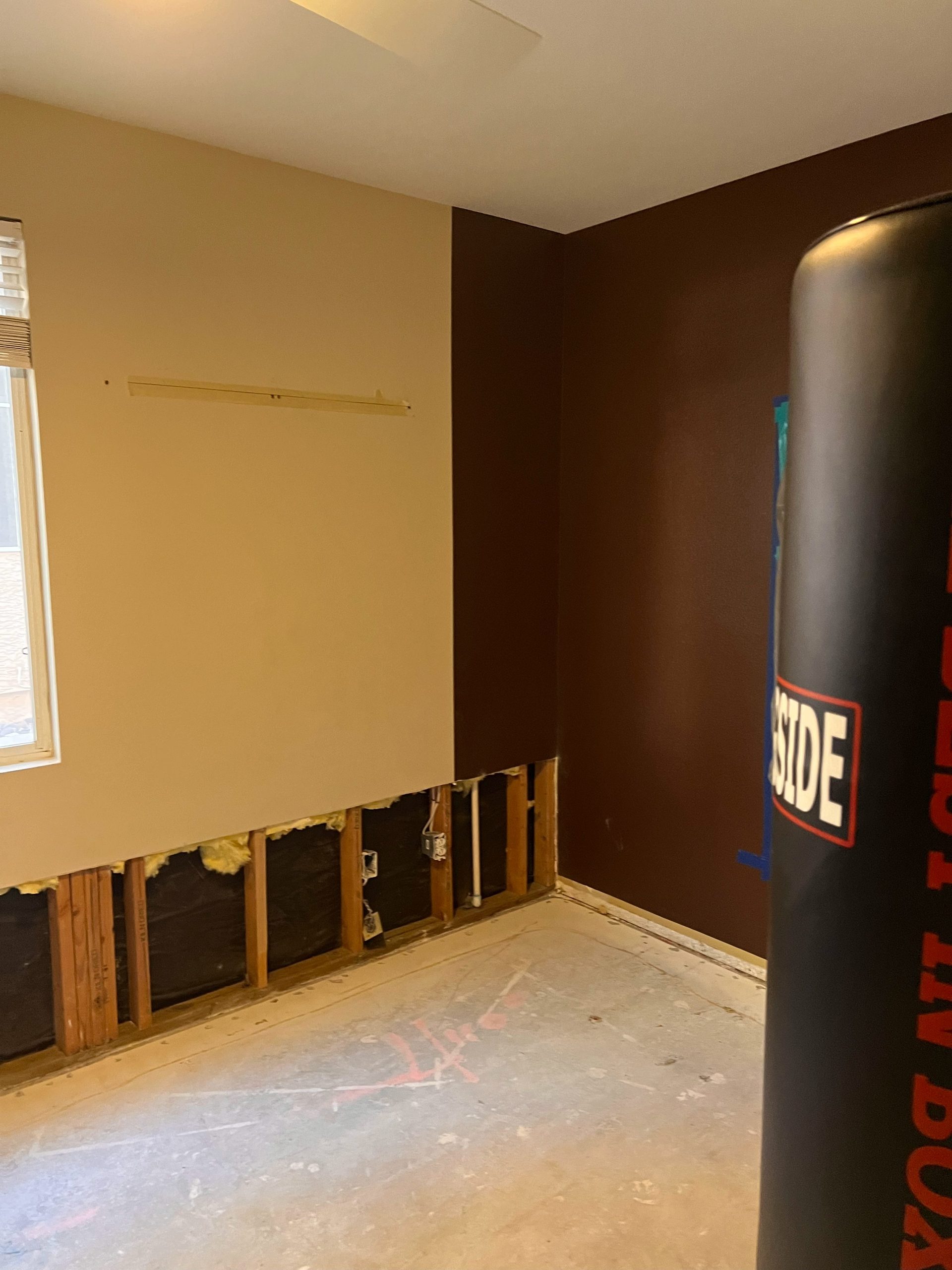
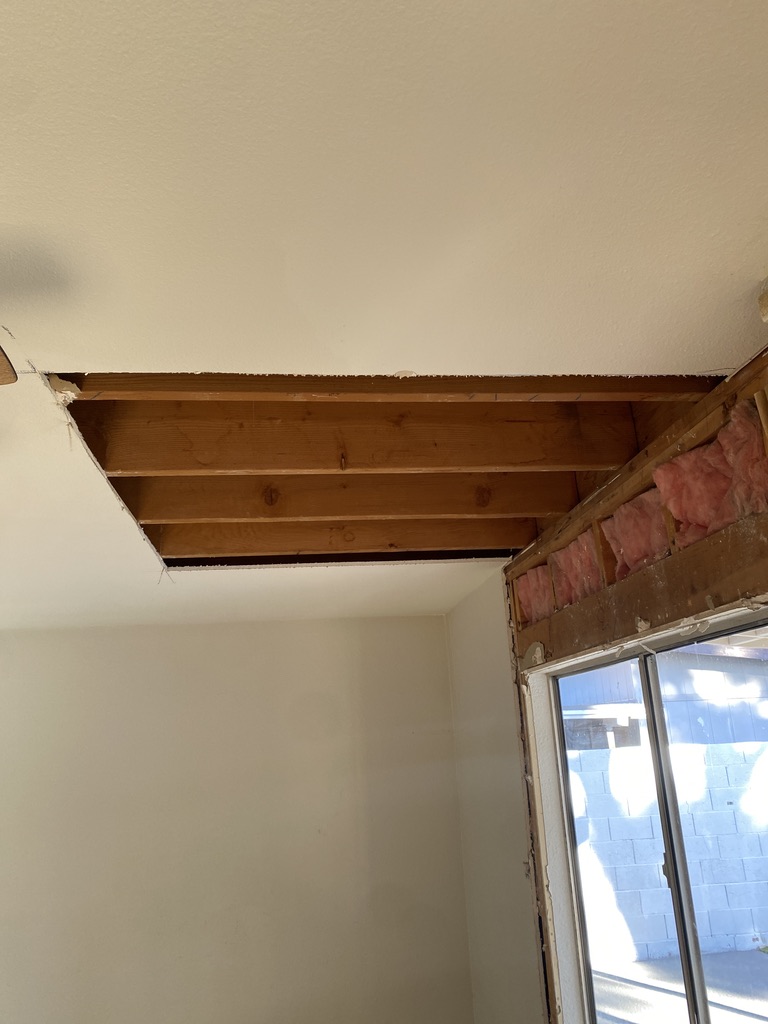
These photographs show separate water damage restoration projects and illustrate material access and drying work. They do not identify a completed job in Green Valley.
Request structural drying in Green Valley
If you need structural drying Green Valley NV, call 725-529-5195 or use our contact page. Presto Water Damage serves Green Valley and surrounding Las Vegas Valley communities.