
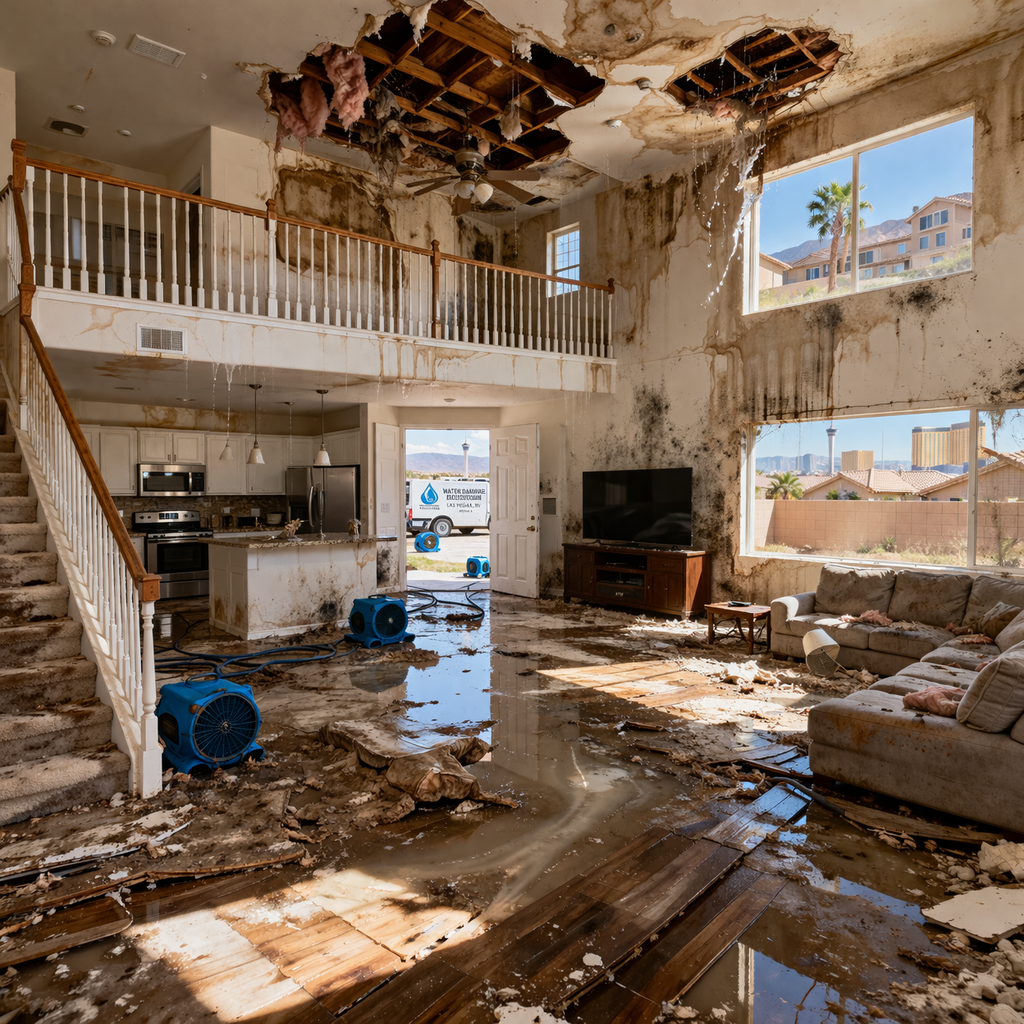
Stucco Repair After Water Damage in Las Vegas, NV: Complete Guide to Protecting Your Home
When most people think about water damage, they usually picture soaked drywall, damaged flooring, warped baseboards, or stained ceilings. But water damage does not stop inside the house. One of the most overlooked parts of a property is the exterior stucco. In Las Vegas, Henderson, Summerlin, Sun City, and Anthem, stucco is one of the most common finishes on residential and commercial buildings. It is durable, attractive, and works well in the desert climate. But even stucco can fail when water gets behind it.
At first, the damage may seem small. You might notice a crack near a window, bubbling paint, discoloration, soft spots, or stains on the outside wall. Sometimes the problem starts with roof runoff, bad flashing, failed caulking, sprinkler spray, leaking windows, or plumbing inside the wall. Over time, moisture gets trapped behind the stucco and begins to damage the system from the inside out. If the issue is ignored, the result can be hidden mold, deteriorated paper backing, rotten framing, damaged sheathing, and expensive repairs.
That is why stucco repair after water damage should never be treated like a simple patch job. The visible crack or stain is often just the outside symptom. The real issue may be deeper inside the wall assembly. A professional repair starts by identifying where the water came from, how long it has been happening, and how much of the stucco system has been affected.
At Presto Water Damage, we help property owners in Las Vegas and surrounding areas identify water intrusion, remove damaged materials when needed, repair affected stucco sections, and restore the surface so the wall is protected again. Whether the damage is caused by roof leaks, window leaks, plumbing issues, poor drainage, or long-term moisture exposure, proper stucco restoration is important for the appearance, structure, and long-term value of your property.
Why Stucco Water Damage Is a Serious Problem
Stucco is made to be durable, but it is not supposed to hold trapped water inside the wall. A properly installed stucco system helps protect the exterior of the building, but once the moisture barrier, flashing, or seal points fail, water can get in and stay in.
In Las Vegas, many homeowners assume that because we live in a dry climate, water damage to stucco is not a major concern. That is a mistake. Even though Southern Nevada does not get constant rain like some other states, we still deal with sudden storms, roof drainage issues, irrigation overspray, leaking hose bibs, failed window seals, AC line leaks, and plumbing problems. It does not take much water to create a long-term issue when moisture gets trapped behind exterior finishes.
Water-damaged stucco can lead to several problems at the same time. The finish coat may crack or separate. Paint may peel or bubble. The brown coat and base materials may weaken. The building paper or moisture barrier can deteriorate. The wire lath may corrode. Wood framing may start to rot. Insulation can become wet. Mold can begin to grow behind the wall. Interior drywall damage may also appear after the moisture has been present long enough.
What makes stucco damage especially dangerous is that it often develops slowly. The outside wall may look “mostly fine” while the inside layers are already compromised. That is why property owners should act quickly when they notice signs of moisture around stucco walls.
Common Causes of Stucco Water Damage in Las Vegas
There is never just one possible cause. Water damage around stucco can happen for many reasons, and finding the source is one of the most important parts of the repair process.
One common cause is cracked stucco around windows and doors. When sealant gets old or gaps open up, water can enter around the openings and travel behind the surface. Improper flashing around windows is another major cause. If flashing was missing, installed wrong, or damaged over time, water can move into the wall instead of being pushed out.
Roof leaks can also affect stucco walls. Water may enter from roof edges, valleys, parapet transitions, roof-to-wall areas, or failed penetrations. Sometimes the stain appears lower on the wall, but the source begins higher up. This is why surface patching without investigation often fails.
Plumbing leaks are another hidden cause. If a supply line, drain line, shower valve, hose bib, or irrigation line leaks inside or near an exterior wall, the moisture can soak the stucco system from behind. In some cases, the homeowner thinks the problem is an exterior stucco issue when the real cause is inside the wall cavity.
Sprinklers and poor drainage also create problems. Repeated overspray on stucco can slowly saturate vulnerable areas, especially near the bottom of the wall. If the grade is too high, water may collect at the base of the wall and wick upward. This can damage stucco near the foundation and create staining, cracking, and soft areas.
HVAC systems can also contribute. A clogged condensation line, roof drain overflow, or improperly directed water discharge may send moisture toward stucco finishes. When this happens over weeks or months, the damage can become widespread.
In short, cracked stucco is not always the main problem. It is often the result of water intrusion from a different source.
Signs You May Need Stucco Repair After Water Damage
Many property owners do not realize the stucco is compromised until the damage becomes easier to see. Early detection can save a lot of money and reduce the chance of mold or structural issues.
Some of the most common warning signs include hairline or large cracks in the stucco surface, bubbling or peeling paint, dark stains or water streaks, soft spots, crumbling finish, rust stains, and discoloration around windows, doors, or roof lines. White chalky residue, also called efflorescence, may also appear when moisture moves through masonry materials and leaves salts on the surface.
Inside the home, there may also be clues connected to the exterior wall. You might notice musty odors, drywall staining, peeling paint indoors, warped baseboards, or high moisture readings in adjacent walls. Sometimes the exterior damage and interior damage are linked, especially around leaking windows, bathrooms, kitchens, laundry rooms, and roof-connected walls.
Another common sign is repeated patching. If the same area keeps cracking again and again, there may be trapped moisture, poor substrate conditions, or movement caused by damaged framing or materials beneath the stucco.
If you see any of these signs, it is smart to address them quickly instead of waiting for visible failure to spread.
Why Simple Patching Is Not Always Enough
A lot of people try to fix water-damaged stucco with caulk, paint, or a small patch from the hardware store. In minor cosmetic cases, that may temporarily improve the look. But if water got behind the system, simple patching is usually not enough.
The reason is simple: the stain, crack, or loose finish is often only the outside evidence of a deeper moisture issue. If damaged paper backing, lath, sheathing, or framing is still inside the wall, closing the surface without proper inspection can trap moisture and make the problem worse.
A good stucco repair should answer several questions:
Where did the water come from?
Is the moisture source still active?
How much of the stucco system is damaged?
Is there mold behind the wall?
Has the sheathing or framing been affected?
Does the damaged section need to be opened and rebuilt instead of patched?
Until those questions are answered, cosmetic repair alone is risky.
The Proper Process for Stucco Repair After Water Damage
The repair process depends on the size of the damaged area and the severity of the problem, but professional stucco restoration usually follows a careful step-by-step approach.
1. Inspection and Moisture Assessment
The first step is to inspect the damaged area and determine the probable source of water intrusion. Visual inspection may identify cracking, swelling, staining, failed sealant, missing flashing, or surface deterioration. Moisture meters and wall inspection methods can help determine whether the wall is still wet and how far the damage has spread.
This step is critical because repairing the finish without stopping the source will only lead to more failure later.
2. Locate and Correct the Water Source
Before the stucco is restored, the water entry point should be corrected. That may mean repairing a roof leak, resealing windows, replacing flashing, fixing plumbing leaks, correcting irrigation overspray, or improving drainage around the home.
Without source correction, even the best stucco finish repair can fail again.
3. Remove Damaged Stucco if Needed
If the stucco is badly cracked, loose, soft, or moisture-damaged, the affected section may need to be cut out and removed. This allows access to the layers underneath, including paper, lath, sheathing, and framing.
The size of the removal area depends on how far the moisture and deterioration extend. In some cases, only a limited section needs to be opened. In more serious cases, a larger wall section may need repair.
4. Check for Mold and Damaged Materials
Once the wall is opened, the underlying condition can be assessed properly. If the sheathing is swollen, rotten, or moldy, it may need replacement. If framing members are damaged, they may need repair. Wet insulation may also need removal and replacement.
When mold is present, proper cleaning and remediation steps are important. This is especially true if the affected area connects to interior living spaces.
5. Rebuild the Wall Assembly
After damaged materials are removed and the area is dry and clean, the wall can be rebuilt. This may include new sheathing, moisture barrier, proper flashing, metal lath, and stucco base layers. Each layer has a purpose, and skipping steps leads to weak repairs.
A quality repair is not just about appearance. It is about restoring the wall so it performs correctly again.
6. Apply Stucco Coats and Finish
Once the substrate is prepared, the stucco coats are applied. Depending on the system and the repair area, this may include scratch coat, brown coat, and finish coat. Texture and color matching are also important so the repaired section blends as well as possible with the surrounding wall.
In some situations, repainting the area or the full elevation may be recommended to improve uniformity.
7. Final Sealing and Protection
After the stucco repair is complete, any surrounding joints, penetrations, windows, or transitions should be properly sealed. This helps prevent future water intrusion. The repaired area should be checked to confirm it is properly protected and visually consistent.
Stucco and Mold: What Homeowners Should Know
One of the biggest concerns with long-term stucco water damage is mold growth. Mold does not always grow on the visible exterior surface. It often grows in the hidden layers behind the stucco or in the wall cavity itself. If water has been entering the wall for an extended period, mold may develop on the paper backing, wood sheathing, framing, insulation, or even interior drywall.
This is one reason why quick action matters. The longer moisture stays trapped, the higher the risk of contamination and material deterioration. Mold can also create odors, indoor air concerns, and added repair costs.
Not every stucco crack means mold is present, but persistent moisture makes mold much more likely. That is why professional assessment is important when damage appears widespread, long-term, or connected to interior symptoms.
How Las Vegas Weather Affects Stucco Performance
Las Vegas homes experience a unique combination of intense sun, heat, dust, occasional heavy rain, and temperature swings. Stucco performs well in this environment when installed and maintained correctly, but it still goes through stress over time.
The hot desert sun can dry and expand materials. Sudden rain can expose weak points quickly. Sealants around windows and penetrations can become brittle. Minor cracks can widen over time. Roof runoff during storms can hit vulnerable wall sections. Irrigation overspray can keep the bottom of the wall wet more often than people realize.
These local conditions make regular visual inspection important. A small problem today can turn into a major repair if it stays exposed through multiple seasons.
Residential and Commercial Stucco Repair Services
Stucco water damage is not limited to one type of property. We see it in single-family homes, townhomes, rental properties, office buildings, storefronts, and other structures throughout Las Vegas and nearby communities.
Residential repairs often involve exterior walls around bathrooms, kitchens, laundry rooms, windows, patios, rooflines, or sprinkler-exposed areas. Commercial properties may deal with larger elevations, roof-to-wall transitions, parapets, entry features, and drainage-related staining or deterioration.
No matter the property type, the repair approach should be based on actual conditions, not guesswork. Some areas need a localized repair. Others need more extensive removal and rebuilding.
Why Homeowners in Summerlin, Henderson, Anthem, and Sun City Should Pay Attention
Many homes in Summerlin, Sun City, Henderson, and Anthem use stucco as a primary exterior finish. These communities have a lot of beautiful homes with architectural details, multiple roof lines, decorative foam trim, window accents, and exterior transitions that depend on good waterproofing details.
When one of those details fails, water intrusion may not be obvious right away. A crack at a window trim line, a stain under a scupper, or bubbling near a hose bib may look small, but these are the exact types of warning signs that should be checked early.
Because many of these homes also have older caulking, aging paint, sun exposure, and irrigation systems, it is smart to inspect exterior wall conditions before the damage gets worse.
The Cost of Waiting Too Long
Delaying stucco repair after water damage often makes the job more expensive. What begins as a small patch can turn into a larger repair involving sheathing replacement, framing repair, mold treatment, interior drywall work, insulation replacement, repainting, and finish restoration.
There is also the appearance issue. Damaged stucco can make a home look neglected. Stains, cracks, bubbling, and mismatched repairs affect curb appeal. If you plan to sell or rent the property, visible wall damage can raise concerns for buyers and tenants.
Acting early is almost always cheaper than waiting for the damage to spread.
What Makes a Good Stucco Repair Company
Not every contractor approaches stucco water damage the right way. A good repair company should understand both the visible stucco finish and the hidden water-damage side of the problem. That means knowing how to inspect moisture issues, identify likely sources, remove damaged materials properly, and rebuild the system in the correct order.
A quality company should also communicate clearly. You should understand what caused the damage, what materials are affected, what is being repaired, and whether any source corrections are needed first.
The goal is not just to make the wall look better for a week. The goal is to restore the wall so it stays protected.
Presto Water Damage Stucco Repair Services in Las Vegas
At Presto Water Damage, we understand that exterior wall damage is often part of a larger moisture problem. Our work focuses on identifying the issue, addressing damaged materials, and restoring affected areas the right way. We help homeowners and property owners in Las Vegas, Henderson, Summerlin, Sun City, and Anthem with water damage-related repairs, including exterior stucco damage connected to leaks, moisture intrusion, and structural deterioration.
Whether your stucco damage was caused by leaking windows, roof runoff, plumbing leaks, sprinkler overspray, or long-term trapped moisture, we can help you take the next step. We know that every wall is different, and every repair should be based on real site conditions.
If you see cracked stucco, bubbling paint, water stains, soft spots, or signs of moisture around your exterior walls, do not wait too long. Getting the issue checked early can help prevent more serious repairs later.
Tips to Help Prevent Future Stucco Water Damage
Preventive maintenance makes a big difference. Property owners should inspect stucco walls regularly, especially around windows, doors, rooflines, vents, hose bibs, and areas exposed to irrigation. Keep an eye out for cracks, separation, staining, or peeling paint.
Make sure sprinklers are not constantly spraying the walls. Check caulking and sealants around penetrations and openings. Watch for roof drainage problems and overflowing areas during storms. If you notice interior water signs near an exterior wall, do not assume it is only an interior issue. The problem may involve the stucco system as well.
Even a simple annual walk-around inspection can help catch problems early.
Final Thoughts on Stucco Repair After Water Damage
Stucco is strong, but it is not immune to water damage. When moisture gets behind the surface, the damage can spread silently through the wall assembly and lead to bigger problems than most people expect. Cracks, stains, bubbling, and soft spots should not be ignored, especially in Las Vegas homes where stucco is such a common exterior finish.
A proper repair starts with finding the source, checking the wall condition, removing what is damaged, and rebuilding the system correctly. Cosmetic patching without solving the moisture problem usually leads to repeat damage.
If your home or property has exterior stucco damage connected to leaks, moisture, or visible wall deterioration, it is smart to address it before the issue gets worse. Fast action can help protect your home, reduce repair costs, and keep your exterior looking clean and solid.
For professional help with water damage-related stucco repair in Las Vegas, Summerlin, Sun City, Henderson, and Anthem, contact Presto Water Damage at 725-529-5195 or visit www.prestowaterdamage.com