Water Damage Behind Baseboards: Why the Wall Can Still Be Wet is a common question for property owners dealing with a leak or water loss in Southern Nevada. Baseboards can hide moisture at the lower edge of drywall and inside wall cavities. Removing or loosening trim may be necessary in some losses to inspect the wall and create drying access.
Start With the Water Source
The first priority is stopping or isolating the source when it is safe to do so. Restoration work cannot stay effective if water is still entering the building. Once the source is controlled, the affected area can be evaluated more accurately.
Check More Than the Visible Wet Spot
Water often moves farther than it appears to at first. It can travel beneath flooring, behind baseboards, into wall cavities, through insulation, and under cabinets. Moisture mapping helps define the true affected area before drying or demolition decisions are made.
Extraction and Structural Drying
Standing water should be removed as early as practical. After extraction, air movement and dehumidification can be used to support drying of materials that are appropriate to restore. Moisture readings help track whether drywall, framing, flooring, cabinets, and other materials are moving toward a dry condition.
When Materials Need Removal
Not every wet material should automatically be removed, and not every material can be safely dried in place. The source of the water, contamination, duration, material type, swelling, loss of strength, and access for drying all matter. Materials that cannot be restored may need controlled removal before the structure can finish drying.
Rebuild After the Area Is Dry
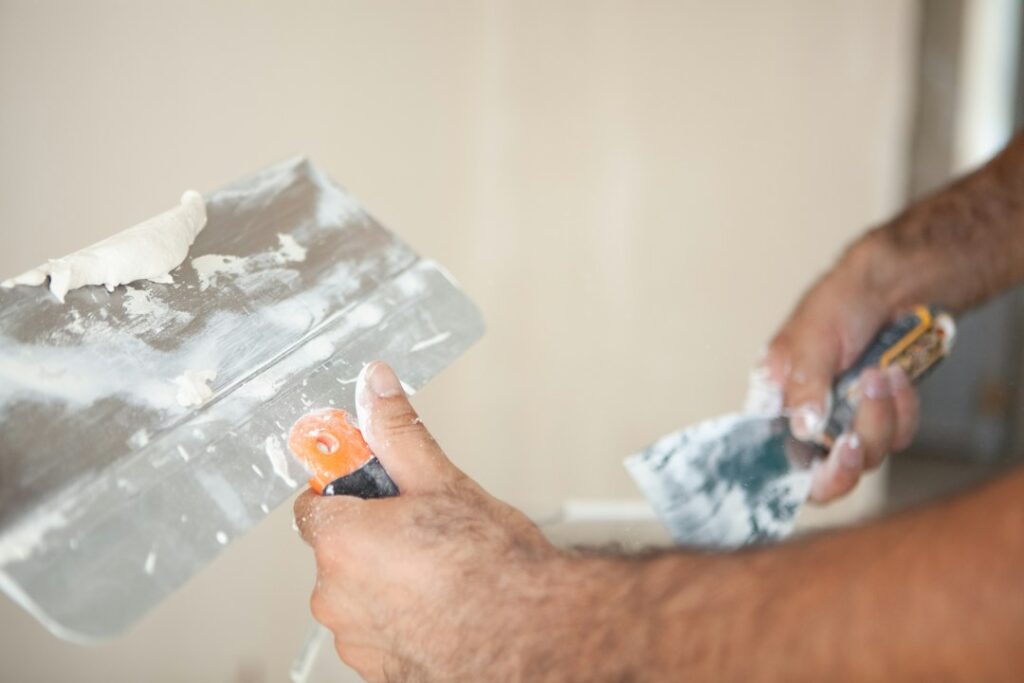
After mitigation, reconstruction may include insulation, drywall, texture, paint, baseboards, flooring, trim, cabinets, and other finishes. Presto Water Damage focuses on connecting the drying phase with the repair phase so the property can move from active damage to a completed space.
Related Services in Las Vegas
Learn more about emergency water extraction, structural drying, mold remediation, water damage repair and reconstruction, and our Las Vegas Valley service areas.
Need Help With Water Damage?
If you are dealing with a recent leak, hidden moisture, or rebuild work after water damage, contact Presto Water Damage through our contact page. We serve Las Vegas, Henderson, North Las Vegas, Summerlin, Paradise, Spring Valley, Enterprise, Green Valley, Anthem, Boulder City, and nearby Southern Nevada communities.
Water Damage Behind Baseboards: key restoration considerations
For water damage behind baseboards, the correct scope depends on the source, how far moisture traveled, the materials affected, contamination, and how long the area remained wet. Moisture readings and a clear drying or repair plan help avoid relying on surface appearance alone.