On this page
Understanding water damage categories
Water damage categories describe contamination concerns. Category 1 starts from a sanitary source; Category 2 involves substantial contamination; Category 3 involves gross contamination, including sewage-related losses. These brief descriptions do not assign a category to your property. Ask the restoration provider to explain the evaluation and the information supporting its conclusion.
The terms clean, gray, and black water are often used in casual conversation, but a description of color or appearance is not a complete site evaluation. Report the known source and current observations. Do not touch or investigate uncertain water simply to decide which label applies, and keep people away from unsafe conditions while qualified help is arranged.
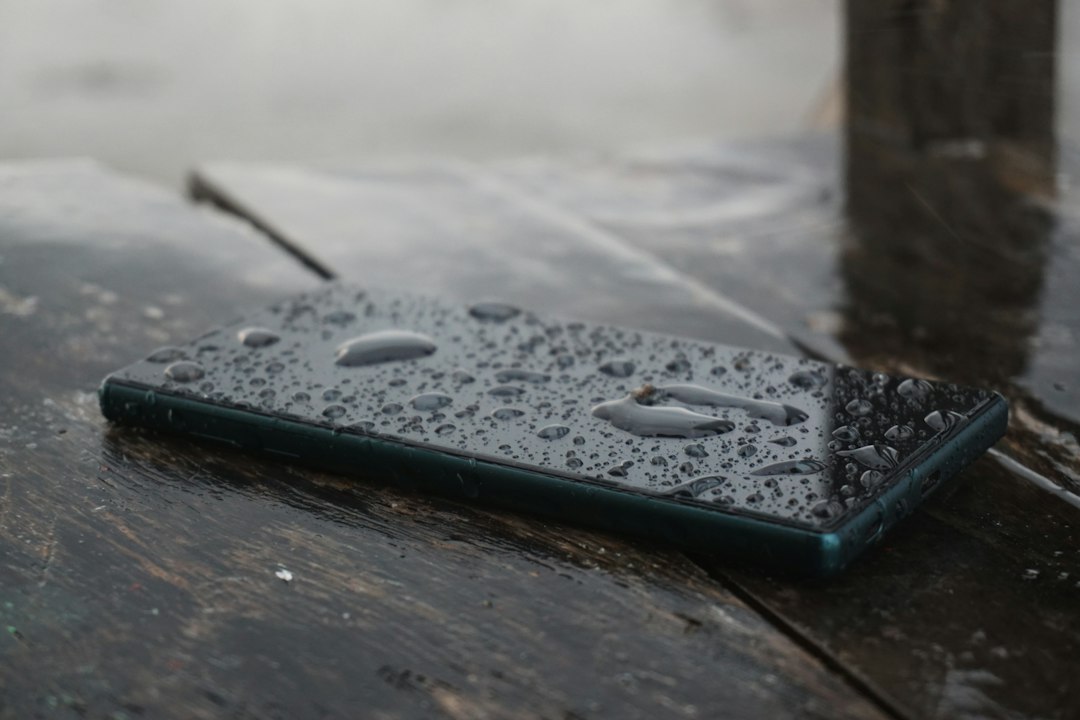
Compare same-category water loss examples carefully
When discussing water damage categories, separate a confirmed source from a suspected one. A leak beside a washing machine does not establish which connection or component released the water. Tell the team where water appeared, whether it was still entering, and what service work has already been performed. Share source-related notes if they are available.
Explain the affected locations clearly
Water damage categories should be connected with the areas actually evaluated. Identify the rooms, floor levels, doorways, and adjoining spaces involved in your report. A consistent room list helps the provider connect photographs and inspection notes with the proposed services. Do not assume that an initial photograph includes every relevant area of the building.
Describe what you can see from a safe location. Do not enter standing water near electrical equipment or move through unstable material to gather more information. Ask the team to explain which areas need inspection and who can arrange appropriate access. In a managed building, coordinate questions about another unit or shared space with the responsible representative.
When it comes to water damage, ask about the scope
For water damage categories, the useful discussion is how the evaluation connects with the proposed work. Ask which materials and rooms are included, what services are being recommended, and what remains uncertain. The provider should explain its findings instead of expecting the owner to understand an entire agreement from a single category number.
Keep discovery time separate from the start time
During a discussion about water damage categories, record the time you discovered the loss accurately. If nobody knows when it began, retain that uncertainty. An unattended home or overnight commercial leak can leave gaps in the timeline. Provide the last known check, discovery time, and later observations as separate pieces of information rather than inventing an exact duration.
Keep original photographs and messages with dated notes. If the source is identified during a later visit, record that finding without rewriting the initial report as though it was known earlier. Clear records help the provider understand what was observed at each stage and reduce conflicting accounts when several people are involved.
Discuss contents separately from building materials
Water damage categories can raise questions about both the building and its contents. Tell the team about furniture, stored items, electronics, records, and other belongings in the affected space. Ask which services the proposal covers and which items need separate evaluation or another provider. A wall-and-floor scope does not automatically describe every item in the room.
“Rate of evaporation class”: what should you ask?
Water damage categories do not specify a paint color, flooring product, cabinet component, or complete reconstruction agreement. Ask how the earlier evaluation connects with the next stage. Which work has been completed? Which materials or areas still need review? What decisions must be made before finishes are scheduled? The answers should refer to the property and proposed services.
Review repair boundaries and transitions to existing finishes before selecting products. If you want optional improvements beyond the affected area, request a separate description. Keep approved selections and changes with the current proposal. At the walkthrough, compare completed tasks with that agreement and record the follow-up arrangement for any open item.
Water damage categories and property coordination
A clear contact arrangement helps when water damage categories are discussed by an owner, tenant, manager, and service provider. Identify the person who can arrange safe access and the person who reviews proposed work. Those responsibilities may belong to different people. Keep contact information current if availability or building requirements change.
Ask how inspection findings and scope updates will be shared. A local contact should not be expected to perform repairs or investigate unsafe areas. Share entry instructions directly through the established arrangement and avoid public comments containing private access details. Good coordination helps connect the initial report with the inspection and later decisions.
Frequently asked questions about water damage categories
Can a picture establish water damage categories? A picture can help describe visible conditions, but ask what site evaluation is needed. Does clear-looking water settle the issue? Appearance alone is not a complete assessment. Tell the provider what is known about the source and conditions, and request an explanation tied to the actual property.
Does a category determine the entire price? Review the included rooms, materials, services, and remaining questions in the proposal. Is the category the same as the drying class? Ask the provider to explain those terms separately. Water damage categories are useful to owners when the evaluation is connected with an understandable scope rather than presented as an unexplained label.
Technical background: IICRC S500 Standard for Professional Water Damage Restoration. This article does not classify a particular loss. To discuss water damage categories and an inspection in Las Vegas, Henderson, or North Las Vegas, call 725-529-5195. Licensed, Insured, Bonded.
Categories of water damage describe contamination. Category 1 refers to water from a sanitary source. Category 2 involves significant contamination, while Category 3 involves gross contamination. Conditions after release matter, so a site assessment should consider the source, materials contacted and changes over time. Appearance alone does not establish the category.
Category and class answer different questions. A water damage class describes drying-related characteristics of the affected materials and evaporation load. A class water damage discussion does not replace contamination assessment. Ask the provider to explain both terms in the actual work scope. The Florida post-flooding guide provides background on water categories.
For a Las Vegas property assessment, contact Presto Water Damage at 725-529-5195. Review our restoration services and ask how the documented findings affect the proposed cleanup, drying and repairs.
Classes of water loss concern the affected materials and drying load. Two losses assigned the same category can still require different access, equipment and repairs. Review water extraction, structural drying and mold remediation as distinct parts of a property-specific scope.
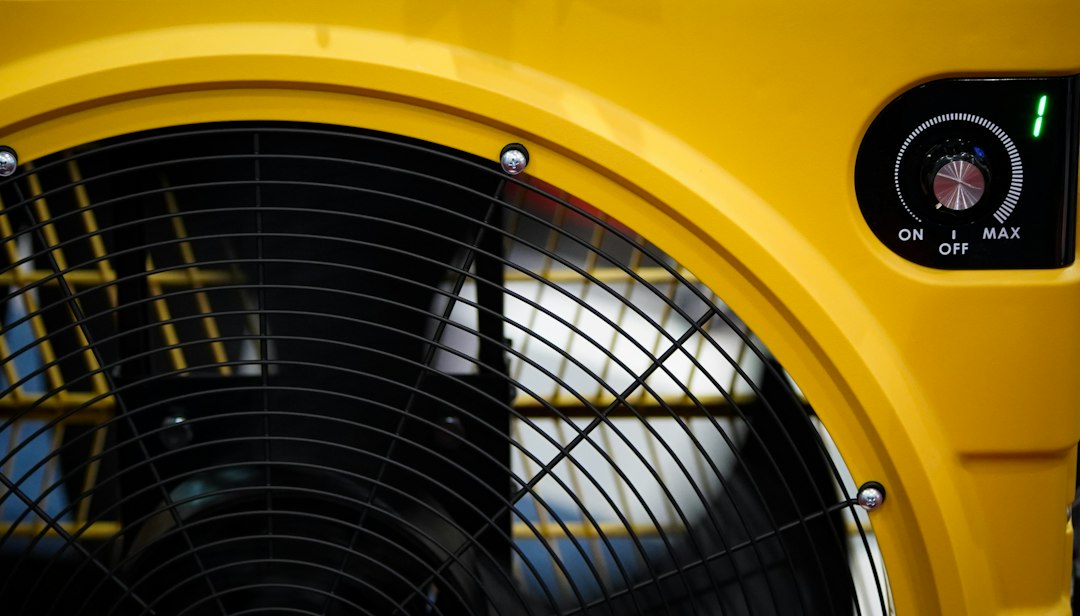
EPA video on drying after flooding. Drying follows the required contamination assessment and cleanup.
Ask the provider to explain the drying class in terms of affected materials and evaporation load. The category concerns contamination; neither label alone establishes a guaranteed drying rate or completion date. Review the actual readings, access conditions and work plan before scheduling finish repairs.