
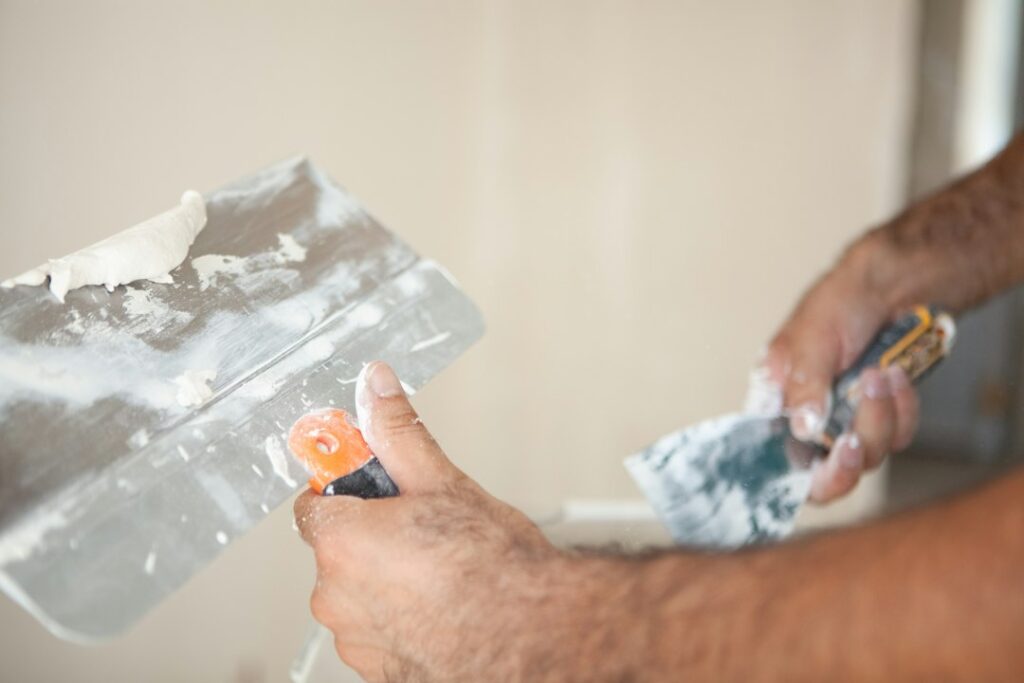
Water damaged baseboards require checks of the adjacent wall, flooring and moisture source. Structural drying and dehumidification can address retained materials when their condition and the contamination assessment support drying. The trim decision should follow an inspection of the entire affected assembly, rather than a surface-only judgment.
On this page
Structural drying services: where water damaged baseboards fit
Start by identifying the trim material before comparing repair options. Painted profiles can look similar while hiding different products underneath. Ask the repair contractor whether the affected sections are solid wood, engineered material or another trim product, and whether the existing profile is still available. The answer helps define what inspection and replacement will involve without assuming every room has the same trim.
For water damaged baseboards, separate appearance from condition. A stain, open joint or damaged coating tells you where to investigate, but does not establish the moisture level behind the trim. Photograph the entire wall and close details before repairs begin. Include corners, door casings and transitions to cabinets so the estimate can identify where matching work starts and ends.
Advanced structural drying technologies and material checks
A proposal to repaint visible trim should explain how the adjacent wall and floor were evaluated. Ask whether moisture readings suggest an affected area beyond the stain and whether removing a section would provide necessary access. The contractor should describe the purpose of any opening, rather than treating trim removal as a complete drying plan on its own.
Water damaged baseboards may be only one part of the affected assembly. Ask about the lower drywall edge, wall cavity, floor perimeter and nearby cabinets. If access is limited, have the limitation written down. Do not pry off trim yourself where concealed wiring, suspect materials or contamination may be involved. Let the inspection determine which areas need controlled access.
3. Compare drying with replacement
When discussing water damaged baseboards, ask what evidence supports keeping each section. The assessment should consider the source and history of the water, physical condition, finish condition and whether the surrounding area can be dried and checked. A broad instruction to save all trim can overlook damaged sections, while an unexplained replacement allowance can make it difficult to compare estimates.
Ask the contractor to identify which parts are suitable for restoration and which parts are outside that scope. If the plan changes after removal exposes another issue, request photographs and an updated explanation. Drying and cosmetic repair are separate decisions: a section may reach a dry condition while still needing finish work or replacement because its shape or surface has changed.
4. Look at joints, swelling and finish damage
During an inspection of water damaged baseboards, note visible separation at corners, raised edges, surface changes and gaps along the wall. Use photographs to record the condition without forcing joints apart. Describe when each change appeared and whether it followed the leak. Similar-looking defects can have different histories, so let the repair professional distinguish water-related damage from existing wear.
Discuss the finished result before work begins. Ask whether an isolated repair will leave a visible change in profile, texture or paint sheen. If the exact trim is unavailable, the contractor should show the proposed replacement and explain the affected run. A clear finish scope helps avoid assuming that drying equipment, trim replacement and painting are all included in one line item.
5. Coordinate water damaged baseboards with flooring
The baseboard sits at a junction between finishes, so flooring work can affect the order of repairs. Tell the contractor whether carpet, plank flooring, tile or another finish is also being evaluated. Ask who is responsible for checking the floor perimeter and whether access requires temporary trim removal. Avoid approving a final paint schedule before the floor repair scope is understood.
For water damaged baseboards near a doorway, cabinet or transition strip, ask how the new work will meet the adjacent finish. The estimate should distinguish the affected materials from matching or access work. Keep photographs of the original arrangement. They help the repair team understand the intended appearance without using undamaged trim as evidence that the concealed area has dried.
6. Verify the area before installing new trim
Replacement trim should follow the agreed drying and inspection checkpoints. Ask for a record of what was inspected, which materials were retained and what conditions supported the decision to rebuild. A wall that feels dry to the touch is not a complete record of the cavity or floor junction. Keep the relevant moisture documentation with the repair estimate.
Before installing replacements for water damaged baseboards, confirm that the leak repair is complete and that any required work inside the opening has finished. Ask who checks the substrate, who installs the trim and who handles caulking and paint. Clear responsibilities are especially helpful when mitigation and reconstruction use separate crews or when a landlord coordinates access for an occupied property.
7. Review the repair scope and completion photos
At the walkthrough, compare the repaired lengths with the estimate. Inspect corners, joints, door transitions and the paint finish in normal room lighting. Ask about any sections that were left in place and retain the explanation. The goal is a documented repair decision and a consistent finished result, rather than an assumption that all nearby trim received the same treatment.
Keep the before-and-after photographs of water damaged baseboards with the source repair record and invoices. If a stain or gap returns, record the date and conditions and contact the responsible contractor. A recurring mark calls for another look at the cause. Painting over it repeatedly can hide the timing and make the history harder to explain.
Common questions about water damaged baseboards
Can I just paint the stain? Have the moisture source and affected materials evaluated before covering the mark. Paint is a finish step, not evidence that the wall has dried. Must every baseboard in the room be replaced? Ask for a scope tied to observed conditions, access needs and the intended finish. A room-wide replacement should have an explanation.
Does a swollen section mean the entire wall is wet? It identifies a reason to investigate, not the full extent of the loss. Can the same trim go back on? That depends on its condition and the removal and repair plan. Ask the contractor to explain these decisions in writing, including any uncertainty that will only be resolved once the area is opened.
Get help with water damaged baseboards in Las Vegas
Before the visit, gather the leak timeline, photographs, source-repair details and any previous estimates. Explain whether the property is occupied and which rooms need to remain accessible. Ask for a plan that separates inspection, drying, trim work and finish repairs. An itemized scope makes it easier to understand the sequence and compare proposals without relying on a single overall price.
Presto Water Damage serves Las Vegas, Henderson and North Las Vegas. Call 725-529-5195 or use our contact page to discuss water damaged baseboards and the surrounding area. Licensed, Insured, Bonded. Read the EPA guide to moisture and mold for general guidance on addressing moisture problems before finishing affected surfaces.
For water damaged baseboards, coordinate our structural drying service with water extraction when standing water is present. Discuss repair and reconstruction after the structural drying checks are complete. See our service areas for local coverage. The IICRC water damage restoration standard describes the professional framework for inspection, drying and documentation.