
A burst pipe needs prompt source control and an assessment of the materials the water reached. These seven steps help Las Vegas owners organize a safe response, document the loss and coordinate extraction, drying and repairs after the plumbing problem is addressed.
On this page
1. Prioritize safe access after a burst pipe
Tell responding professionals whether water is near outlets, appliances, wiring or a panel, and whether ceiling material is unstable. Do not enter standing water or reach through an unsafe area to operate equipment. Arrange the appropriate assistance when a shutoff cannot be accessed safely. An emergency response should begin with conditions that allow safe work, not a homeowner taking risks to limit a visible puddle.
Photograph the area only from a safe position and record the discovery time. Keep people and pets away from spaces that have not been evaluated. Do not move a heavy appliance, open a ceiling or disturb suspect material to collect a better image. Professionals can document conditions after safe access is established, and your initial account can state which areas you could not inspect.
A licensed plumber should confirm source correction
Ask the plumber to document the confirmed failure and work performed. Distinguish an emergency isolation from permanent correction, and keep the service report with the loss record. The restoration company needs to know whether the source is resolved or still under investigation. Do not assume that stopping visible flow establishes the condition of every connection or affected material in the area.
For a burst pipe repair, clarify who handles plumbing follow-up and who evaluates the wet structure. A completed plumbing visit and a completed restoration job are different milestones. If access openings need later repair, have that responsibility assigned explicitly. This helps prevent an owner from discovering that the source company and reconstruction crew each expected the other to restore the same opening.
3. Document the burst pipe loss without delaying response
Record the known source, discovery time and visible water path. Take wide room photographs and closer details when safe so individual images have location context. Keep earlier photographs or repair records if relevant, but do not guess when concealed moisture first developed. An accurate timeline should distinguish what was observed initially from findings made later during professional inspection.
Separate building damage from affected belongings in the record. Ask how items proposed for removal will be photographed and described. Do not retain unsafe debris merely to preserve evidence. Documentation supports communication with service providers and insurers while emergency safety and mitigation remain the priority. Gather the records available rather than delaying needed assistance to create a complete photographic inventory.
What to inspect when a pipe bursts
Ask the restoration technician how the assessment covers adjoining rooms, floor layers, wall bases and cavities suggested by the water path. A burst pipe can affect concealed areas that are not described by the visible surface alone. Have the report distinguish inspected locations from spaces requiring access, and ask what next step resolves any remaining uncertainty.
Where a burst pipe loss reaches fixed cabinets or flooring transitions, discuss how those assemblies will be evaluated. An isolated meter display needs context about the material and location. Do not assume the affected area ends where access stops, and do not accept widespread removal without supporting findings. A defined inspection boundary gives the owner a clearer basis for reviewing the proposed scope.
Handling water from a busted line
Ask how visible water will be removed and what happens next to retained wet materials. The source and contact history should guide handling decisions. Tell the team about drain water, stored substances or suspected growth before moving contents or using household fans. Do not assume every burst pipe event has identical conditions simply because the initial source was a supply connection.
For proposed removal, request a reason tied to material condition, contamination or access. Contents may need separate assessment from fixed building finishes. Identify valuable or sensitive items early and ask how they should be staged. Keep the initial scope and any documented changes together so the response remains understandable as extraction and access reveal more about the loss.
6. Review the burst pipe drying plan
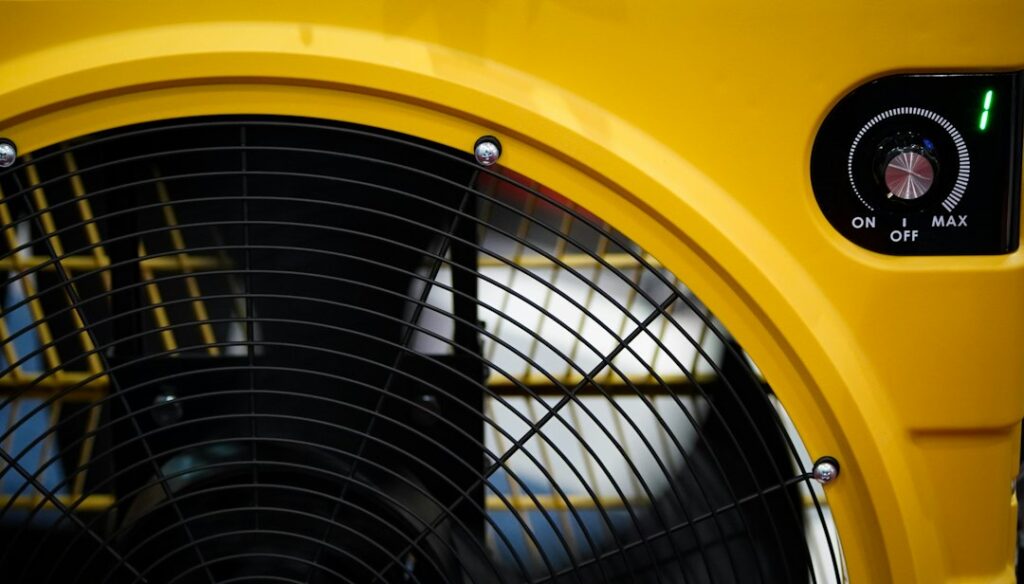
Ask which materials the team proposes to retain, how moisture will leave them and where progress will be checked. Equipment running in a room does not establish that every concealed layer is drying. The plan should connect equipment and access decisions to the actual assembly, including any limits that could require additional investigation or selective removal.
Follow instructions for equipment operation and report interruptions or returning water. If an opening reveals additional affected material, ask for photographs and an explanation of the updated scope. The handoff to repairs should follow agreed inspection checkpoints, not just a fixed number of days or the point when a floor no longer looks wet. Keep the relevant records available for reconstruction.
7. Rebuild after burst pipe checks are complete
Confirm source correction and completion of the agreed drying and inspection work before new finishes close the area. Have the reconstruction estimate identify affected insulation, drywall, trim, flooring and cabinets as applicable. Clarify who handles utilities or fixtures disturbed during access. A written work sequence helps prevent new surfaces from being installed before another trade still needs to reach the same space.
At the walkthrough, compare finished work with the scope and photographs. Discuss matching, transitions and any excluded items rather than assuming they were included in a general repair allowance. Retain the source report and concealed-work records. If moisture returns, document the date and conditions and contact the responsible company before choosing another cosmetic repair that does not explain the cause.
How to prevent pipes from leaking again: questions to ask
Can I handle the job with towels? Visible water removal does not establish the condition of concealed materials; ask for an assessment appropriate to the loss. Must every wet finish be replaced? Decisions should reflect the source, condition and ability to inspect and dry the assembly. Can the company promise a finish date from a photograph? Ask for a schedule with checkpoints and stated uncertainties.
Does insurance cover burst pipe damage? The insurer determines coverage under the policy and facts of the loss. Keep accurate records and ask what information it needs rather than relying on a contractor’s estimate as a guarantee. How do I compare proposals? Check the affected boundary, retained materials, access work, drying responsibilities and reconstruction items, not only the overall price.
Keep the burst pipe response organized
Prepare a contact person, safe access instructions and a short factual timeline for the visit. Mention occupied rooms, adjoining units and relevant prior repairs. If several companies are involved, identify who coordinates the source, mitigation and reconstruction stages. Clear responsibilities make it easier to report a new observation to the right person without treating each visit as a separate unexplained job.
After a burst pipe repair, keep dated progress photographs, estimates, invoices and relevant drying notes in one file. Add follow-up observations as new entries rather than overwriting the initial account. Record location and timing without assigning an unsupported cause. An organized history helps future professionals investigate whether a recurring issue relates to the previous loss or requires a different assessment.
Presto Water Damage serves Las Vegas, Henderson and North Las Vegas. Call 725-529-5195 or contact our team to discuss burst pipe. Licensed, Insured, Bonded.
Explore our water extraction, structural drying, repair and reconstruction, mold remediation, restoration services and service areas. Read the EPA overview of water-damaged materials for general background on assessing and drying wet finishes.
A burst pipe can release a large amount of water quickly. The first few decisions matter because water can spread into flooring, walls, cabinets, insulation, and nearby rooms before the leak is fully controlled.
Shut off the water source
If you can safely reach the main shutoff or a local fixture valve, stop the water supply. If you are unsure where the shutoff is or the area is unsafe, contact a plumber or emergency service provider.
Protect electrical areas
Do not walk through standing water near outlets, electrical panels, appliances, or exposed wiring. If power needs to be shut off, use the breaker only if you can do so safely without entering a wet area.
Move valuables away from the wet zone
Furniture, rugs, boxes, electronics, and personal items should be moved away from active water when it can be done safely. Avoid dragging wet items through unaffected rooms.
Document the damage
Take clear photos and short videos of the source, standing water, affected rooms, damaged finishes, and wet contents before major cleanup begins. Good documentation can be useful if an insurance claim is involved.
Start extraction and drying quickly
Removing visible water is only the beginning. Moisture can remain under flooring, behind baseboards, and inside wall cavities. Professional drying may include air movers, dehumidifiers, moisture meters, and targeted removal of materials that cannot be dried in place.
Watch for secondary damage
Wet drywall can weaken, flooring can swell, and trapped moisture can create conditions for mold. The drying process should continue until measurements show the affected structure is returning to an acceptable moisture level.
For pipe-related water losses, see our burst pipe water damage service in Las Vegas. If standing water is present, Presto also provides 24/7 water extraction.
Burst Pipe Water Damage Las Vegas: key restoration considerations
For burst pipe water damage Las Vegas, the correct scope depends on the source, how far moisture traveled, the materials affected, contamination, and how long the area remained wet. Moisture readings and a clear drying or repair plan help avoid relying on surface appearance alone.
Steps to take when a pipe bursts include arranging safe source control, documenting accessible conditions and asking for a property-specific restoration assessment. A burst pipe is a source problem as well as a cause of affected building materials. Keep the plumber’s repair findings with the drying and reconstruction records so each provider understands what has been addressed.
Additional public resources include the EPA cleanup guide, EPA flooded-home guidance and the Nevada policy-reading guide. Use the actual source report and complete policy when asking the insurer about coverage.
EPA video on drying affected building materials before finish repairs.