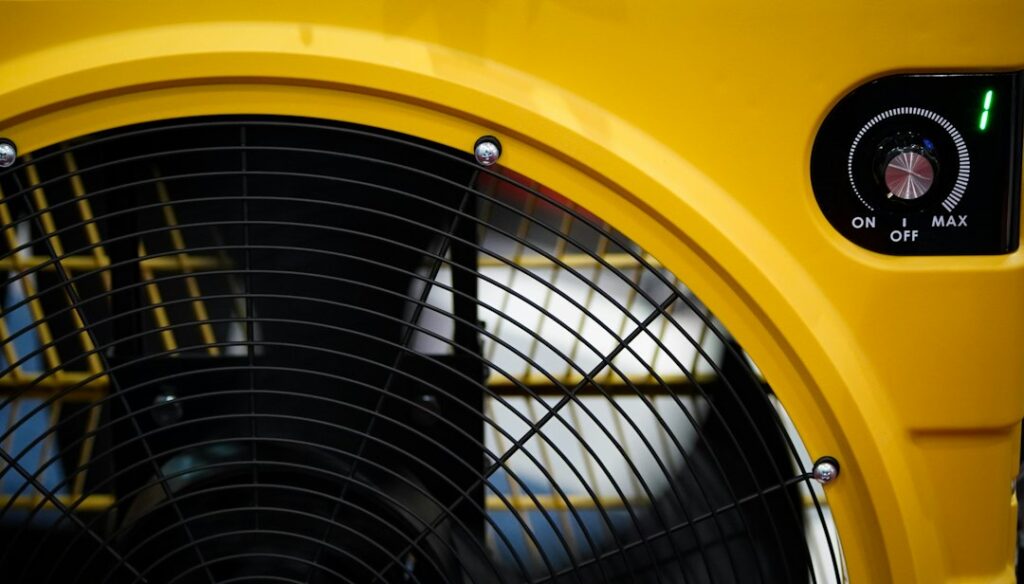
Water extraction is the first recovery step when standing water can be removed safely. Structural drying then addresses moisture held in retained building materials, using inspection findings and documented checks rather than surface appearance alone. Structural drying and dehumidification should follow source control and an assessment of affected materials. For water extraction, ask which assemblies need access, which can be retained and how moisture readings will guide the repair sequence.
Water extraction removes standing water, but the right response also considers safety, affected materials and moisture left out of sight. These seven checks help Las Vegas owners understand when professional equipment and a coordinated drying plan may be needed.
On this page
Structural drying services for water extraction
Tell the responding team whether water is near electrical components, whether a ceiling is unstable and whether sewage or outside water may be involved. Stay clear of unsafe areas and arrange the relevant professional help. Do not enter water to unplug equipment or move a heavy appliance. An emergency response begins with the conditions that allow safe work, not simply selecting a larger vacuum.
When requesting water extraction, describe the source, approximate affected area and whether water is still entering. Keep observations factual and avoid guessing at contamination or duration. Photographs from a safe location can help the team prepare. Explain access restrictions, stairs and occupied rooms so equipment planning accounts for the property rather than only the visible puddle.
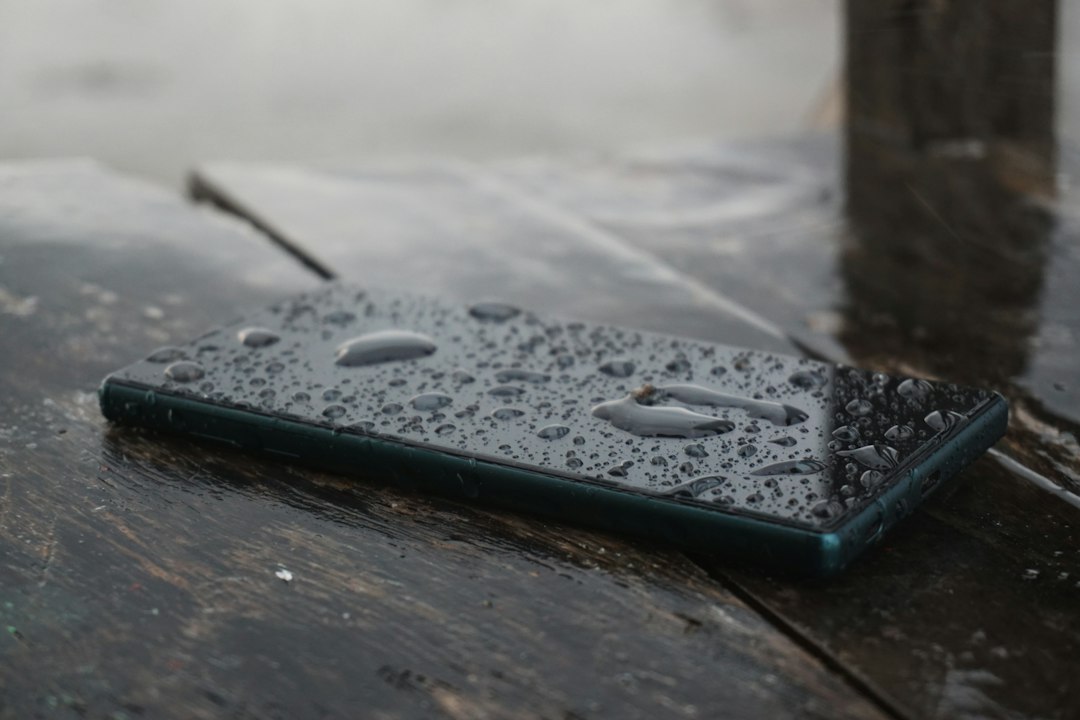
Advanced structural drying technologies and material checks
Removing water while an unresolved source continues to feed it may not produce a durable result. Ask who is isolating or repairing the leak and which conditions are still uncertain. A plumber, roofer, appliance technician or another trade may be needed depending on the source. Keep source-repair work distinct from the restoration scope and retain its documentation.
The plan for water extraction should explain what can proceed while source work is coordinated and what depends on completing it. Do not assume an emergency shutoff is the permanent repair. Record the discovery time, actions taken and relevant service visits. Those facts help the restoration team interpret the water path and give owners a clear record of the response sequence.
3. Evaluate more than the amount of standing water
A small visible pool can coexist with wet flooring layers or wall materials. Ask the technician how the assessment accounts for the route water traveled and the materials it contacted. The affected area may extend beyond the visible boundary. Conversely, the presence of water does not establish that every nearby component needs replacement; inspection findings should support those decisions.
Professional water extraction planning should consider access, material type and the source history as well as volume. Tell the team about carpet, floating flooring, fixed cabinets and rooms below the loss. Have inaccessible areas documented. A useful estimate identifies what is known, what remains uncertain and which observations will guide any change in the proposed work.
4. Match water extraction tools to the task
Ask the restoration company to explain why its proposed equipment is appropriate for the affected materials and access. A household machine and a professional setup may differ in practical capacity and suitability, but the right choice is tied to the loss. Do not use a dry-only household vacuum on water or assume any rented machine is appropriate for contaminated conditions.
For water extraction from carpet or near fixed cabinetry, ask how the team will evaluate the material below the visible surface. Equipment selection is not a substitute for checking the assembly. The scope should explain the purpose of the tools and the next inspection step after standing water is removed, rather than promise that one extraction pass completes the restoration.
5. Follow water extraction with moisture assessment
Ask what happens once the visible water is gone. Walls, floor layers and cavities may need separate inspection and drying decisions. Have the technician describe the locations checked and the meaning of any readings in the context of the material. An isolated meter display does not summarize the condition of every surface or concealed layer in a room.
The water extraction report should connect initial observations, affected materials and the proposed drying plan. If access is limited, record how that uncertainty will be resolved. Ask what findings support retaining materials and what would favor removal. This makes the transition from emergency response to structural drying easier to review without assuming that a floor looking better means the work is complete.
6. Understand cleaning and removal decisions
The source and contact history influence how affected materials are handled. Sewage or other contaminated water should not be treated like a routine household spill. Tell the restoration team what is known about the water before moving contents or directing fans at affected surfaces. Ask how the work area, belongings and unaffected rooms will be protected during the response.
After water extraction, proposed removal should have an explanation tied to material condition, contamination or access needs. Request photographs when openings reveal additional damage and a revised scope when appropriate. Do not assume every wet item must be discarded or every item can be restored. Contents and building materials may need separate evaluations and records.
7. Review the drying and repair handoff
A completion record for the emergency phase should state what was extracted, which materials remain under evaluation and what work comes next. Ask who monitors drying, who repairs the source and who prepares reconstruction. Those may be different companies. Keeping the responsibilities clear prevents an apparently finished emergency visit from leaving concealed moisture or a source issue without an assigned next step.
Before finishes are restored, confirm the agreed inspection and drying checkpoints. Retain relevant notes, photographs and invoices. At the final walkthrough, compare completed repairs with the written scope and record any outstanding items. If moisture returns, provide the responsible team with dated observations rather than only a general statement that the room feels damp again.
Questions to ask before hiring for water extraction
Is extraction the same as drying? Extraction addresses standing or recoverable water, while retained wet materials may require a further drying plan. Can you give a finish date from a photograph? Ask for an assessment and a schedule with checkpoints; access and concealed conditions can change the work. Will equipment need to remain? Have the team explain its plan for your property.
Does insurance cover water extraction? The insurer determines coverage under the policy and circumstances of the loss. Keep accurate discovery records and emergency invoices, and ask how the insurer wants supporting information submitted. Does a higher equipment count mean better work? Ask how each item serves the affected assembly and how progress is measured instead of comparing proposals solely by the number of machines.
Prepare for the response visit
Provide the property address, contact person, source information and safe access instructions. Mention whether another unit or common area may be involved. Gather photographs and service records, but do not delay urgent assistance to create a perfect packet. A short, accurate timeline helps the team ask the right questions and distinguish the first discovery from later changes in the affected area.
For occupied spaces, explain essential access needs before equipment is positioned. Ask for clear instructions about operation, power and reporting interruptions. Keep a record of any new water after the initial visit. That information helps the team decide whether the existing plan needs adjustment or whether a continuing source requires further professional attention.
Presto Water Damage serves Las Vegas, Henderson and North Las Vegas. Call 725-529-5195 or contact our team to discuss water extraction. Licensed, Insured, Bonded.
Explore our water extraction, structural drying, repair and reconstruction, mold remediation, restoration services and service areas. See the EPA moisture guide for general background on addressing wet materials and moisture sources.
Coordinate structural drying with water extraction where needed. Our repair and reconstruction team can discuss the next phase after structural drying checks are complete. See our service areas for local coverage. The IICRC water damage restoration standard provides the professional framework for inspection, structural drying and documentation. Keep records of water extraction with the source repair and completion photos.