Emergency Water Extraction Green Valley, NV
emergency water extraction Green Valley NV is available from Presto Water Damage for homes, rentals, managed properties, and businesses in Green Valley. Fast water removal is the first priority after a burst pipe, appliance leak, overflow, or indoor flooding event. Green Valley properties include established homes, townhomes, rentals, and commercial spaces where leaks can move beneath tile, laminate, cabinets, and wall finishes before the damage is obvious.
On this page
emergency water extraction Green Valley NV: service overview
We inspect the source, define the affected area, and look beyond the first visible wet surface. Moisture can move beneath flooring, behind trim, through drywall, inside cabinets, and into insulation, so the restoration plan should match the actual conditions at the property. The goal is to control the immediate problem, reduce additional damage, and create a clear plan for drying and repair. Extraction is only the first phase. Once standing water is removed, the remaining moisture in porous materials still needs to be evaluated and dried.
Inspection and moisture mapping in Green Valley
We review visible damage and check surrounding materials to understand how far water or moisture traveled. This helps separate materials that may be dried and restored from materials that may need controlled removal. Moisture readings are especially useful around baseboards, lower drywall, cabinets, flooring transitions, closets, utility rooms, and other areas where water can remain hidden.
In Green Valley, older plumbing components, tiled living areas, vanities, kitchen cabinets, and slab-on-grade construction can hide moisture along lower walls and beneath finished flooring.
Drying and moisture control
After the immediate water problem is controlled, air movement, dehumidification, and moisture readings are used as appropriate. Drying decisions are based on the source, material type, contamination, access, and the condition of the affected building materials. A surface that feels dry can still contain moisture deeper inside the assembly, which is why monitoring matters throughout the process.
Typical restoration steps
- Identify or confirm the water source is controlled.
- Map visible and hidden moisture.
- Extract standing water when present.
- Remove materials that cannot be safely restored when necessary.
- Set drying equipment and monitor progress.
- Complete repair and rebuild after affected materials are ready.
Repair and rebuild after water damage
Once drying and cleanup are complete, reconstruction may include insulation, drywall, texture, paint, baseboards, flooring, trim, cabinets, and other affected finishes. Presto Water Damage connects the mitigation phase with the rebuild phase so the project has a clear path to completion instead of leaving the property unfinished after drying equipment is removed.
What affects the restoration scope?
The scope is influenced by the source of the water, how long materials stayed wet, whether contamination is present, the type of flooring and wall system, the condition of cabinets or trim, and whether moisture reached concealed spaces. Two properties with similar visible stains can require very different drying or repair plans.
We also consider whether affected materials have swollen, delaminated, lost strength, developed staining, or become difficult to access for drying. These details help determine whether a material can remain in place or should be removed before the rebuild phase.
What property owners can do before service
If it is safe to do so, stop or isolate the water source and keep people away from areas with standing contaminated water, electrical hazards, or sagging ceilings. Avoid removing building materials until the affected area has been evaluated, because opening walls or floors can change the scope and may expose hidden contamination or electrical components.
Why choose Presto Water Damage in Green Valley
Our approach combines mitigation, drying, documentation, and reconstruction planning. That means the same restoration project can move from emergency response into repairs without losing track of what was affected. We focus on clear communication, practical repair decisions, and work that matches the actual conditions found at the property.
For emergency water extraction Green Valley NV, our goal is to identify what is wet, dry or remove the right materials, document the work, and then restore the damaged finishes in a logical sequence.
Local restoration considerations in Green Valley
Green Valley properties include established homes, townhomes, rentals, and commercial spaces where leaks can move beneath tile, laminate, cabinets, and wall finishes before the damage is obvious. We tailor the scope to the property instead of using the same drying or repair plan for every loss. Plumbing layout, flooring type, wall construction, cabinets, insulation, and how long materials stayed wet can all change the restoration plan.
Nearby and related restoration services
For nearby coverage, see Emergency Water Extraction Centennial Hills, NV and Emergency Water Extraction Boulder City, NV. For additional work in Green Valley, see Structural Drying Green Valley and Mold Remediation Green Valley.
Explore our water damage services, Green Valley service area page, and restoration gallery. For general information about moisture and mold, see the U.S. EPA mold resources.

Emergency Water Extraction Green Valley, NV FAQs
How quickly should water damage be evaluated?
As soon as practical. Moisture can spread into materials that are not visibly wet, so early inspection can help define the true affected area.
How do you know when materials are dry?
Drying decisions should be based on moisture readings and the condition of the affected materials, not appearance alone.
Can wet drywall or flooring always be saved?
No single answer fits every loss. The source of the water, contamination, swelling, loss of strength, time wet, and access for drying all affect whether a material can be restored.
Can Presto Water Damage also handle reconstruction?
Yes. After mitigation and drying, repair work can include drywall, insulation, texture, paint, flooring, trim, cabinets, and other damaged finishes.
Do you work with property managers and commercial clients?
Yes. We work with homeowners, landlords, property managers, and commercial properties across the Las Vegas Valley.
Emergency Water Extraction Green Valley: 5 Essential Decisions
Emergency water extraction Green Valley requests should start with the current situation: where the water is, whether it is still entering and which parts of the property are affected. Tell us if the loss involves a house, condo, rental or commercial space. The inspection and access arrangements will differ, even when the visible puddle looks similar.
- Identify the person who can authorize inspection and work.
- Explain the reported source and whether it has been addressed.
- Describe standing water and affected rooms.
- Discuss access for extraction and later drying equipment.
- Review the written scope and the transition to drying.
These decisions connect the emergency call to a property-specific plan. They do not replace the on-site assessment. Presto Water Damage can discuss extraction, moisture checks and the related restoration stages at 725-529-5195. Explain any active water or access concern when calling so the team understands what needs attention first.
Removing Standing Water and Evaluating Wet Materials
Water removal and material evaluation are related tasks. Pumping or extracting visible water does not establish whether a floor assembly, wall edge or cabinet base has also been affected. A useful emergency water extraction Green Valley scope identifies both the water that can be removed immediately and the accessible materials that need further checking.
The amount and location of standing water influence equipment and access needs. A contained area beside an appliance differs from water spread across several connected rooms. Tell the team whether the affected area includes carpet, tile, vinyl, wood or mixed flooring. If you do not know the floor construction, explain what you can see rather than guessing.
Ask how the inspection will address room boundaries and adjoining materials. A hallway, closet or cabinet opening can connect affected spaces that appear separate at first. The restoration record should identify where water was observed and which areas remain uncertain. That distinction helps explain any later recommendation for material access, removal or additional drying work.
Emergency Water Extraction Green Valley for Carpet and Flooring
Carpet and padding can hold water differently from the surface of a hard floor. Explain whether the carpet feels wet underfoot, whether water has reached another room and whether the edge of the affected area is known. The inspection determines how the flooring and underlying materials will be evaluated. An initial phone description cannot establish which layers can be retained.
With tile or other hard flooring, a dry-looking surface does not answer every question about the assembly beneath it. The assessment may include perimeter edges, transitions and accessible neighboring materials. If removal is proposed, ask what finding supports that recommendation and which parts of the assembly the estimate covers.
For emergency water extraction Green Valley work, keep any available flooring product information or prior repair records. These can help with the later repair discussion. Review the floor and contents restoration information when planning the next stage. Material decisions should follow the property’s actual condition rather than an assumption that every wet floor must be replaced.
Move From Water Extraction to Controlled Drying
After standing water is removed, the work may continue with moisture assessment and a drying plan. Ask which building materials will be monitored and how progress will be explained. A room can look improved before the restoration team has finished evaluating its concealed layers. The scope should make the transition from extraction to drying clear.
Our structural drying service information explains that stage. Equipment needs and duration depend on the affected materials, access and conditions observed. Ask for an explanation of equipment placement and follow-up checks. Avoid treating a general drying estimate as a fixed promise for every property.
Emergency water extraction Green Valley property owners request may also lead to a repair scope for damaged finishes. Clarify whether drywall, baseboards, flooring or cabinets will be assessed separately after mitigation. A written explanation of the sequence helps the owner understand which work is underway and which decisions still need to be made.
Arrange Access for a Green Valley Extraction Visit
Tell us about gates, parking restrictions, stairs and locked areas before the visit. In a condo or managed building, identify the person who controls entry and the representative who can approve work. If an affected room is inside a tenant’s space, coordinate access through the responsible parties rather than assuming an inspection can proceed without notice.
Explain whether the property is occupied and which areas people need to use. The team can discuss the proposed work area and access arrangements based on the situation. If another provider must address the appliance or plumbing source, clarify who is arranging that service and what work has already been performed.
When requesting emergency water extraction Green Valley service, provide room names and the location of the visible water. A short description such as kitchen, laundry room and adjoining hallway is more useful than simply saying the entire property is flooded when the extent is not yet known. The inspection can then separate confirmed affected areas from areas requiring further evaluation.
Compare the Extraction Scope and Project Records
A useful estimate describes the affected area, the proposed extraction work and any assessment or drying services included. Ask what is excluded and what could change when concealed areas become accessible. If additional work is recommended, request an explanation of the finding and the approval needed before the scope expands.
Keep the discovery date, photographs already available, source-repair information, estimates and invoices together. Documentation should describe the observed condition without treating an unconfirmed cause as established fact. If another company corrects a supply line or appliance fault, keep its work description with the restoration records.
For emergency water extraction Green Valley projects, ask how progress information will be communicated and who should receive updates. The access contact and the person approving the estimate may be different people. Identifying those roles early helps avoid confusion when the work moves from removing water to monitoring materials or planning repairs.
The EPA’s mold and moisture guide provides general background on correcting moisture problems. It does not replace the assessment of an individual loss.
A Room-by-Room Extraction Discussion
| Location | Useful information for the inspection |
|---|---|
| Kitchen | Identify the appliance or plumbing area involved, the visible flooring changes and any water reported near cabinets or an adjoining room. Explain whether the source has been serviced. |
| Laundry room | Describe where water was first seen, whether it reached a hallway and whether the laundry is upstairs. Share the known source without guessing at an unconfirmed cause. |
| Bathroom | Explain the reported overflow or leak, the rooms affected and any separate plumbing work already arranged. The source and material conditions guide the assessment. |
| Living area or hallway | Identify the flooring types, visible water boundaries and connected closets or rooms. Mention furniture or access restrictions that could affect evaluation of the area. |
| Commercial space | Provide the authorized site contact, affected work areas, building access arrangements and any equipment that limits inspection. Clarify who approves the proposed restoration work. |
Use this information to describe the property accurately. The emergency water extraction Green Valley assessment then determines the proposed work. A room list is a starting point for communication, not a substitute for inspection findings or moisture checks.
If the property has experienced an earlier leak, include the available repair history. The team should know which surfaces were previously opened, replaced or repaired so the current discussion does not confuse old visible damage with the latest event.
Emergency Water Extraction Green Valley Questions
What if most of the puddle has already been removed?
Explain what happened and which materials still appear affected. The assessment may still need to address flooring edges, adjoining rooms or building materials. Tell the team what cleanup has already been attempted so the remaining work can be discussed in context.
Can you discuss repairs as well as extraction?
Yes. Presto Water Damage can discuss the progression from water removal and drying to damaged finish repairs. Review the repair and reconstruction service and ask which stage belongs in the current estimate.
What should a property manager have ready?
Provide the property location, tenant or site contact, access instructions, reported source and the person who can authorize work. Identify any affected adjacent unit or shared area that has been reported. Do not assume the initial visible water defines the complete scope.
How do I request help?
Call 725-529-5195 for emergency water extraction Green Valley inquiries. You can also review Green Valley restoration coverage, our services and contact information before discussing the property.
Examples From the Restoration Gallery
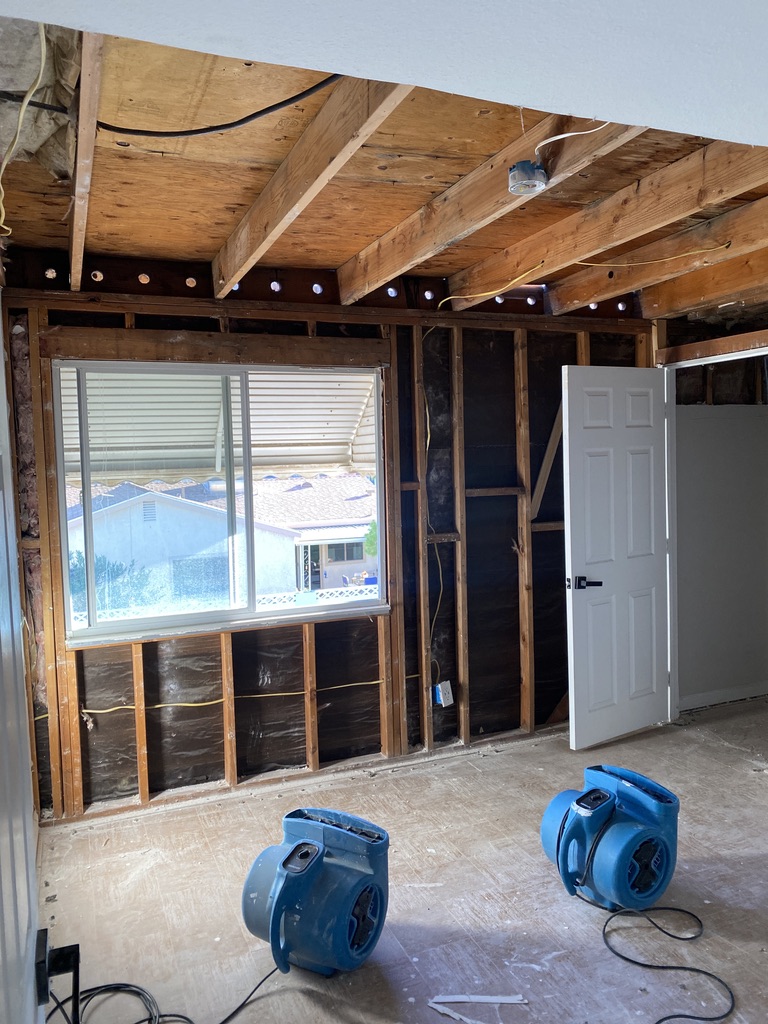
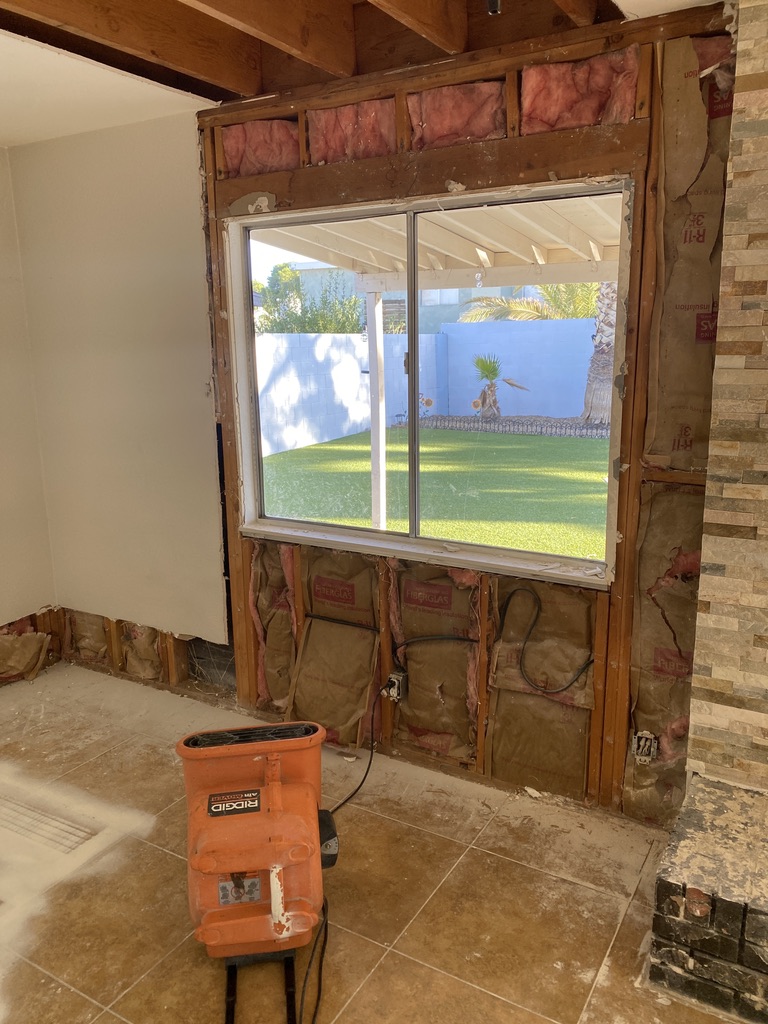
These photographs show separate water damage restoration projects and illustrate material access and drying work. They do not identify a completed job in Green Valley.
Request emergency water extraction in Green Valley
If you need emergency water extraction Green Valley NV, call 725-529-5195 or use our contact page. Presto Water Damage serves Green Valley and surrounding Las Vegas Valley communities.
Emergency water damage restoration services should begin with a safe-access assessment and source information. Do not enter standing water around electrical hazards, disturb unstable finishes or assume that pumping out a visible puddle completes the work. The water damage restoration scope should explain what is being extracted, which materials need drying and what remains inaccessible. Ask how findings will be recorded and when the next material decision will be reviewed.