On this page
Concern about mold after a plumbing leak deserves a clear evaluation of the source, affected materials, and current conditions. This Las Vegas guide explains seven inspection questions before choosing cleanup or cosmetic repairs.
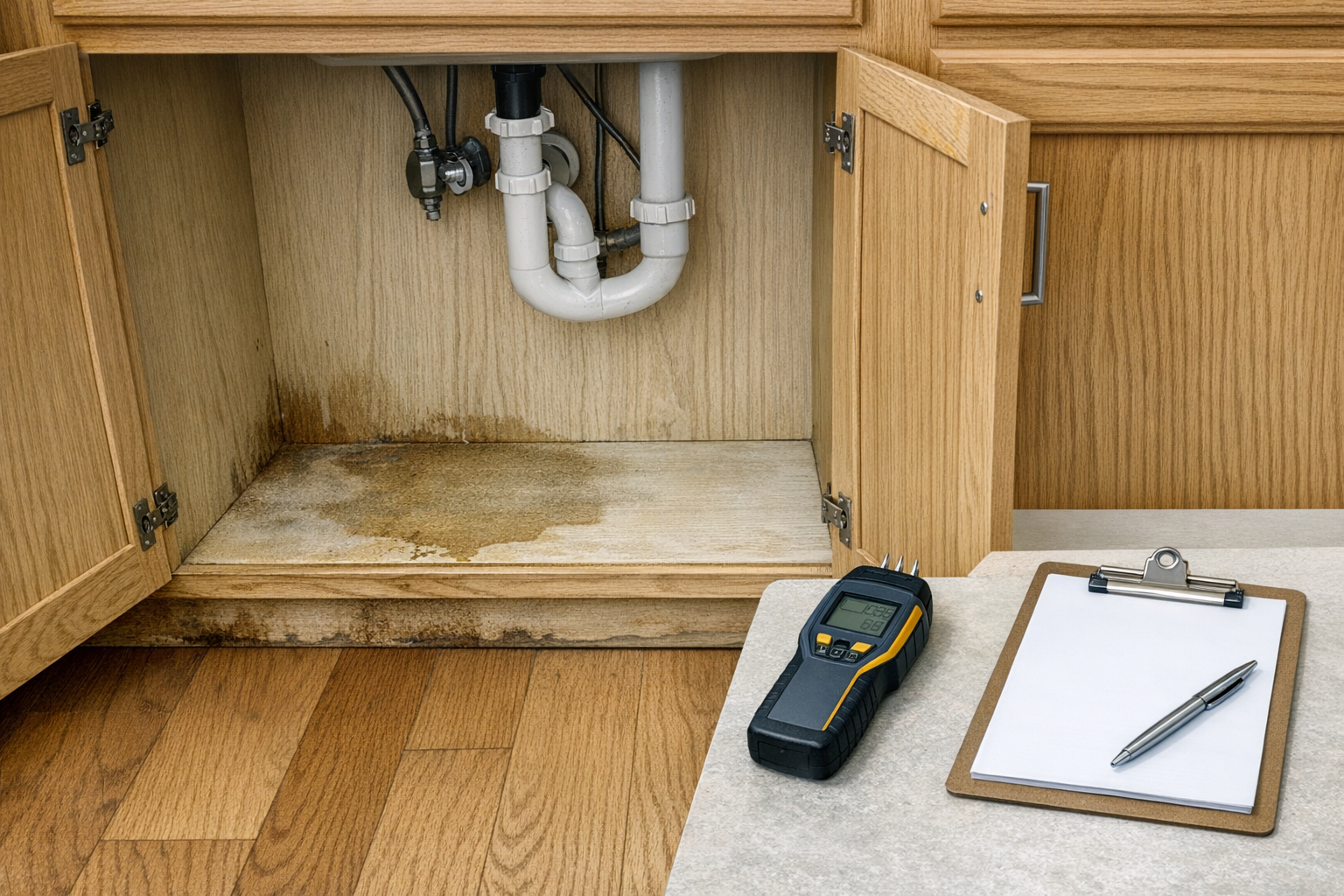
Mold After a Plumbing Leak: What Homeowners Should Watch For is a common question for property owners dealing with a leak or water loss in Southern Nevada. Moisture that remains hidden after a leak can create conditions that support mold growth. Persistent odors, staining, damp materials, or repeated moisture should be investigated rather than covered with paint or trim.
Strategies for mold concerns: begin with the source
The first priority is stopping or isolating the source when it is safe to do so. Restoration work cannot stay effective if water is still entering the building. Once the source is controlled, the affected area can be evaluated more accurately.
Check More Than the Visible Wet Spot
Water often moves farther than it appears to at first. It can travel beneath flooring, behind baseboards, into wall cavities, through insulation, and under cabinets. Moisture mapping helps define the true affected area before drying or demolition decisions are made.
Extraction and Structural Drying
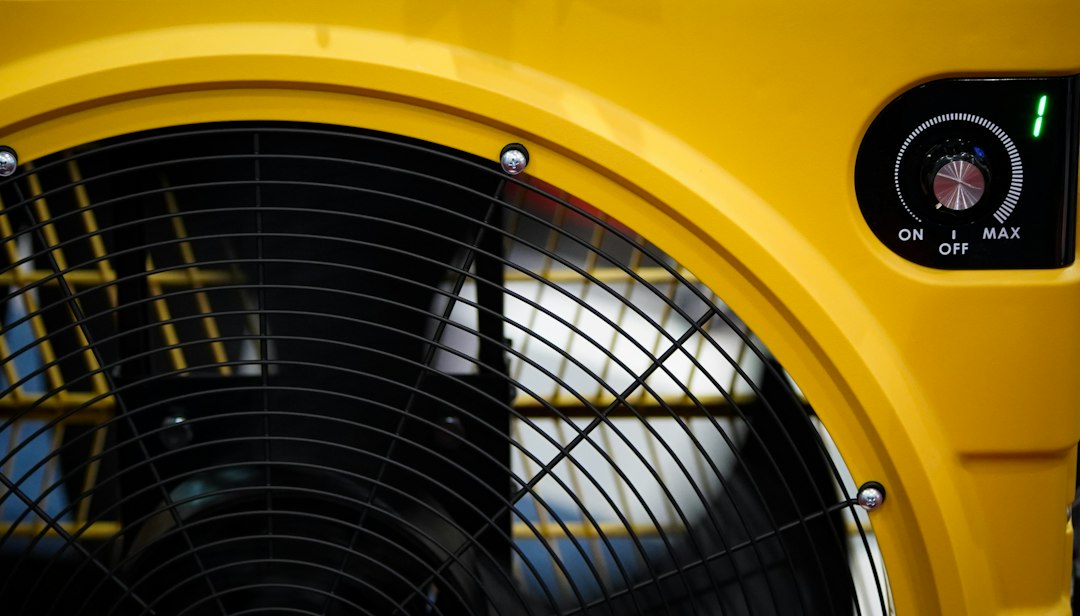
Standing water should be removed as early as practical. After extraction, air movement and dehumidification can be used to support drying of materials that are appropriate to restore. Moisture readings help track whether drywall, framing, flooring, cabinets, and other materials are moving toward a dry condition.
When Materials Need Removal
Not every wet material should automatically be removed, and not every material can be safely dried in place. The source of the water, contamination, duration, material type, swelling, loss of strength, and access for drying all matter. Materials that cannot be restored may need controlled removal before the structure can finish drying.
After mitigation, reconstruction may include insulation, drywall, texture, paint, baseboards, flooring, trim, cabinets, and other finishes. Presto Water Damage focuses on connecting the drying phase with the repair phase so the property can move from active damage to a completed space.
Learn more about emergency water extraction, structural drying, mold remediation, water damage repair and reconstruction, and our Las Vegas Valley service areas.
If you are dealing with a recent leak, hidden moisture, or rebuild work after water damage, contact Presto Water Damage through our contact page. We serve Las Vegas, Henderson, North Las Vegas, Summerlin, Paradise, Spring Valley, Enterprise, Green Valley, Anthem, Boulder City, and nearby Southern Nevada communities.
When evaluating concern about mold after a plumbing leak, the correct scope depends on the source, how far moisture traveled, the materials affected, contamination, and how long the area remained wet. Moisture readings and a clear drying or repair plan help avoid relying on surface appearance alone.
1. What has actually been observed?
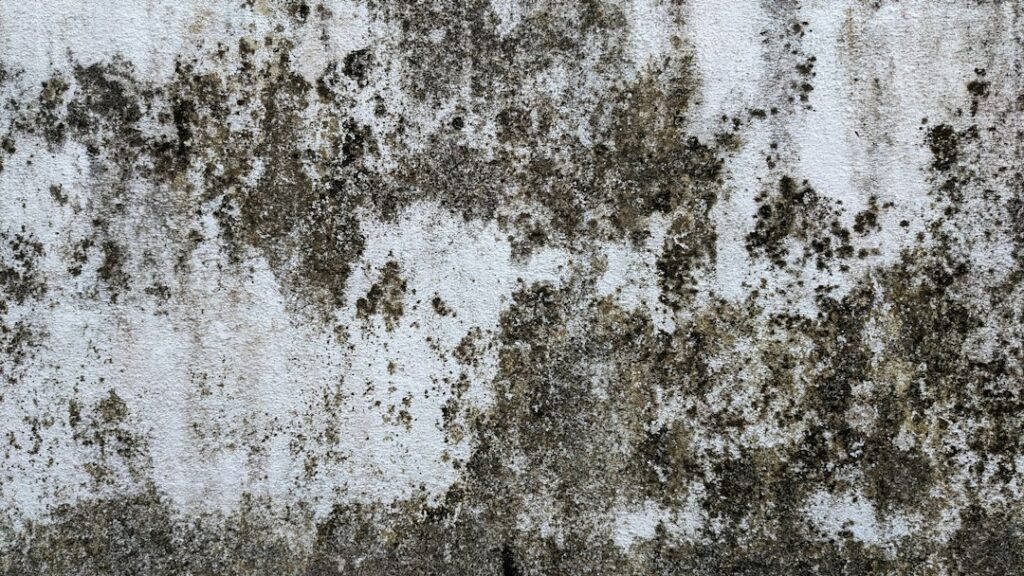
When reporting concern about mold after a plumbing leak, describe the location and visible condition without assigning a diagnosis from a photograph. Explain whether you noticed a stain, damp material, an odor, or visible growth and when it became apparent. Those observations are different pieces of information. A clear report helps the provider understand what needs evaluation without treating an assumption as a confirmed finding.
Do not open walls, remove finishes, or disturb a suspected hidden area to produce a better picture. The EPA advises caution when investigating concealed mold concerns. Ask an experienced provider to explain the proposed evaluation and access work. Keep people away from unsafe conditions and describe what you can observe from a safe location.
2. Has the plumbing source been addressed?
A discussion about mold after a plumbing leak should include what is known about the water source. Keep plumber service notes and invoices available, and explain whether the leak has been repaired, isolated, or remains uncertain. Addressing the water problem and evaluating affected materials are related decisions, but completing one does not automatically explain the status of the other.
If moisture appears again after a service visit, record that observation and notify the relevant provider. Do not assume a new paint finish or replaced cabinet panel establishes that the source has been corrected. The proposed work should reflect the actual condition at the property and identify any source-related question still needing attention.
3. Which rooms and materials need evaluation?
For concerns about mold after a plumbing leak, identify the rooms and surfaces involved in the report. A bathroom ceiling, sink base, laundry wall, or adjoining flooring area should be described clearly enough to connect with inspection notes. Ask which areas have been evaluated and where further access is proposed. Do not assume the entire home has been assessed from one visible spot.
Tell the team about later changes and neighboring spaces affected during the loss. Keep observations separate from conclusions about concealed materials. If the provider recommends further investigation, ask why and which components may be disturbed. A clear access plan is more useful than a general instruction to remove everything around the leak.
4. How will the findings affect the work scope?
When mold after a plumbing leak is part of the discussion, ask the provider to explain the observed condition, the proposed services, and the limits of the evaluation. Cleaning, material removal, drying, and reconstruction are different tasks. The written scope should identify the affected areas and what is included instead of expecting the owner to infer the work from a broad remediation label.
Ask how additional findings will be reported and approved. Keep the current proposal and revisions together. If another specialist or service is recommended, request an explanation of its role. The goal is an understandable property-specific plan, with clear distinctions between what has been observed, what remains uncertain, and what work is being proposed.
5. What should happen before cosmetic repairs?
Before painting or replacing trim where there is concern about mold after a plumbing leak, ask how the moisture and affected materials have been addressed. The EPA advises against painting or caulking over moldy surfaces. A cosmetic finish does not substitute for evaluating and addressing the underlying condition. Discuss the required work before choosing the final appearance of the room.
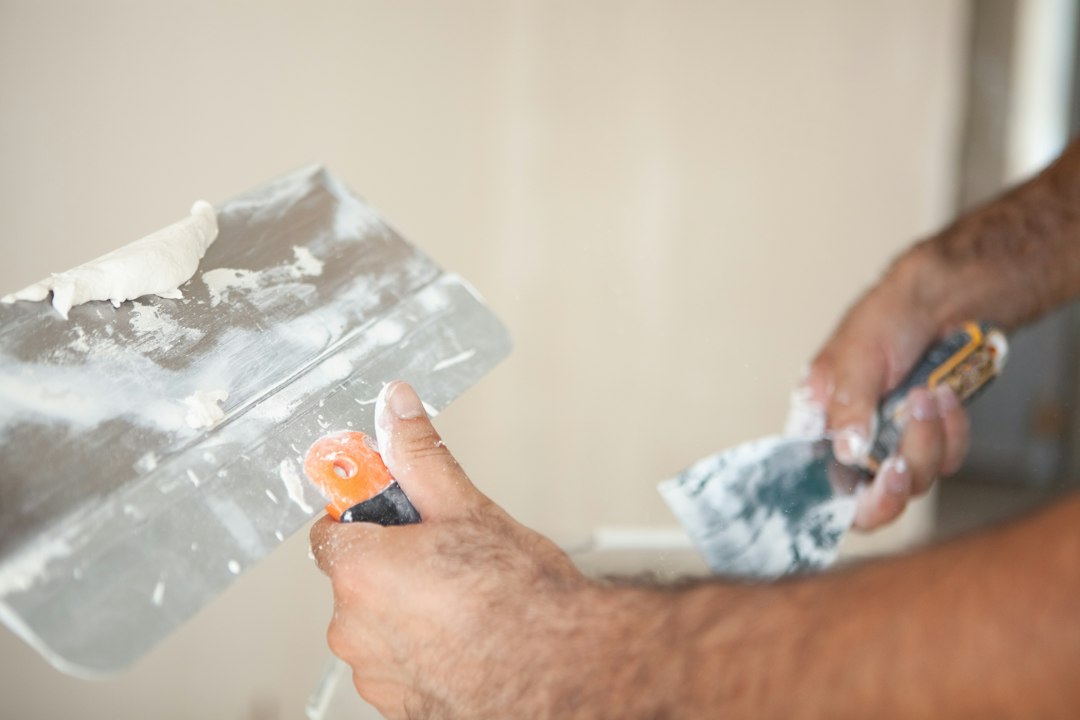
Review reconstruction separately when drywall, texture, paint, flooring, or cabinets are included. Ask which rooms and finish boundaries are part of the agreement and which selections remain open. Additional improvements beyond the affected area should have a separate description. Keep those decisions clear so an evaluation or cleanup proposal is not mistaken for a complete remodeling agreement.
6. What records help explain the timeline?
For mold after a plumbing leak concerns, record the discovery date and the earlier water event information accurately. If nobody knows when the leak began, retain that uncertainty. Keep the last known check, first visible water, source-related service visit, and later observations as separate entries. Do not invent a duration simply because a form or caller asks for one.
Retain original photographs, messages, inspection notes, proposals, approvals, and invoices together. Add later findings as dated updates instead of rewriting the initial account. A project file should help another person understand what was observed and agreed at each stage. Ask the issuing provider to clarify any record that does not identify its location or service clearly.
7. Who coordinates access and follow-up?
When arranging evaluation for mold after a plumbing leak, identify the person who can arrange entry and the person who reviews proposed work. They may be different people in a rental, condominium, or remotely managed home. Explain the contact arrangement directly to the provider and keep it current when availability or building-management requirements change.
Share access instructions privately through the established arrangement. Do not expect a neighbor or tenant to perform repairs or enter an unsafe room. Ask how updates and appointment changes will be communicated. At the walkthrough, compare the completed services with the current agreement and retain the follow-up arrangement for any open item.
Mold after a plumbing leak: preparing for the visit
Gather safe photographs, the room list, source-repair information, and the questions already available. Do not delay urgent assistance while trying to create a complete file. Tell the team whether the source is still active and whether the reported area can be viewed safely. Ask what preparation is appropriate before moving belongings or disturbing the materials.
If there are questions about health symptoms or medical effects, contact a health professional. A restoration article cannot determine those concerns from a description of the building. For mold after a plumbing leak, keep the property discussion focused on the observed conditions, evaluation, proposed services, and clear communication about the next step.
Common questions about mold after a plumbing leak
Does every plumbing leak mean there is mold? Do not assume a finding without evaluation. Can an odor confirm the condition? Report it as an observation and ask the provider to explain the inspection. Can a stain be painted immediately? Discuss the moisture and materials first rather than using a finish change to answer an unresolved restoration question.
Can mold after a plumbing leak be evaluated while the owner is away? Arrange a reliable local contact and identify who can review proposed work. Does cleanup include every repair? Check the scope and exclusions. A useful plan explains the actual areas involved, the work being proposed, and the remaining decisions rather than promising one approach for every home.
Background: EPA guide to mold, moisture, and your home. This article does not diagnose a particular property. To discuss concern about mold after a plumbing leak in Las Vegas, Henderson, or North Las Vegas, call 725-529-5195. Licensed, Insured, Bonded.
Water damage strategies should connect the confirmed source with the materials being evaluated. For related questions, see our musty-odor guide, moisture measurement guide and upstairs leak records guide. Can I clean it before the visit? Ask what should remain undisturbed and what handling the provider recommends for the actual material and condition.