On this page
1. Establish safe access after condo water damage
Condo water damage can begin with an overflowing bathtub or plumbing problem in the unit above yours. Water travels through the floor assembly and appears at a downstairs ceiling, wall or light fixture. Ceiling water damage can develop even when the source is outside your home, but the disruption is immediate: access restrictions, inspection appointments and decisions about affected finishes. Start with safe access and clear communication rather than assuming which neighbor or insurer will pay.
Keep people away from a sagging or bulging ceiling and any area where water is near electrical equipment. Do not puncture the ceiling, remove a fixture or walk through standing water to reach electrical controls. If an immediate threat exists, contact emergency services. Notify the building’s appropriate emergency or management contact about the active condition and affected units. Do not attempt to operate shared supplies or unfamiliar valves.
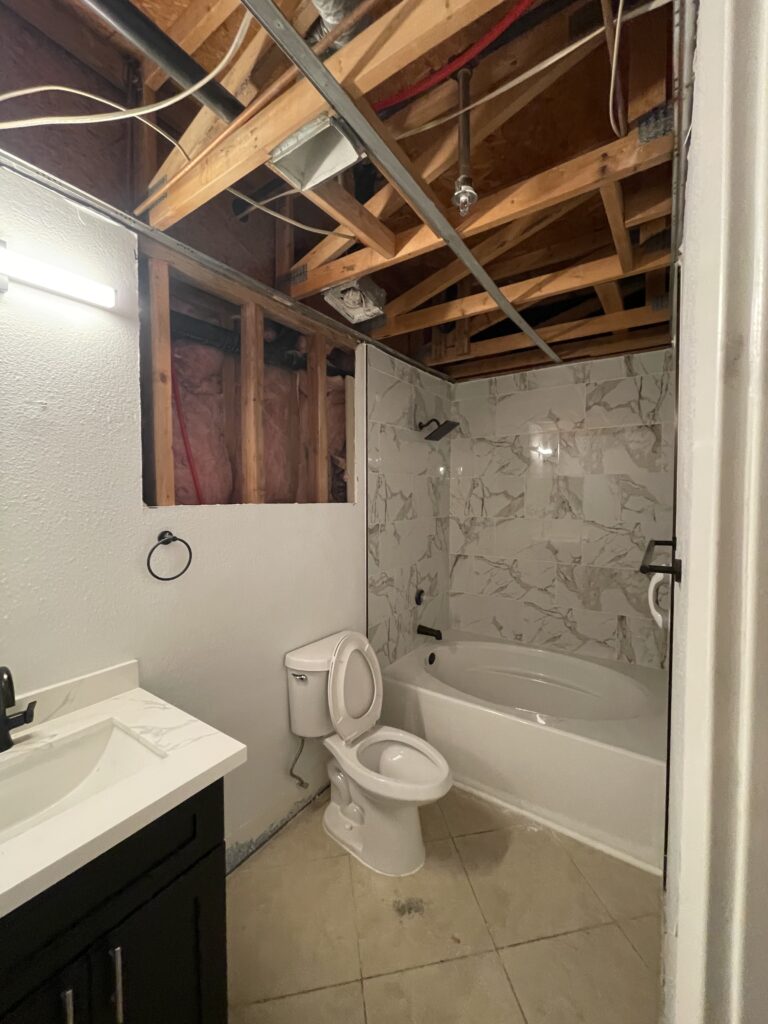
The featured ceiling water damage photograph shows a Las Vegas restoration project with ceiling drywall and part of a wall removed, exposing framing and utilities. It illustrates why an upstairs overflow can involve more than repainting a stain. It does not establish the cause, insurance coverage or responsibility for another property’s loss. Every inspection needs its own findings and agreed scope.
2. Record ceiling water damage and arrange entry
For condo water damage records, note when you first noticed the water and which rooms were affected. Take photographs from safe locations, if conditions permit, and preserve messages about the reported source. Distinguish what you observed from what someone else reported. If you do not know when the overflow began, say so. Our upstairs leak documentation guide explains records from both levels. Documentation should help explain the current condition without delaying an urgent response or requiring entry beneath an unsafe ceiling.
For condo water damage access, identify the person authorized to arrange work inside the unit and the building representative who coordinates shared areas. Tenants should notify their landlord or manager and explain access restrictions. An owner’s permission to enter one home does not automatically authorize opening a neighboring unit or common assembly. Keep contact details and agreed next steps together so the plumber, restoration team and building manager can coordinate.
3. What is covered by condo insurance?
Does condo insurance cover water damage coming from upstairs? The answer depends on the cause, policy terms, limits and exclusions, as well as the association’s master policy and governing documents. Sudden accidental damage may be covered; a maintenance problem can be treated differently. Responsibility and coverage are separate questions, so avoid assuming that the upstairs resident’s insurer will pay every expense.
Ask your agent or insurer which policy applies to damaged finishes, belongings and any additional living expenses. Provide accurate discovery information and request the documents needed for review. The Allstate overview of condominium water damage coverage gives general background. It cannot determine the outcome for your property. A restoration estimate describes proposed work and is not an insurance coverage decision.
4. How to fix ceiling water damage after an upstairs overflow
For condo water damage, ask for a room-specific inspection that considers the visible ceiling water damage, adjacent wall areas and accessible materials along the water’s path. A dry-looking surface does not establish that the assembly above it is dry. Describe changes in paint, trim or flooring and any known source repairs. Do not cover the area with fresh finishes before the affected materials have been evaluated.
A useful ceiling water damage scope explains the rooms and materials being addressed, inspection limitations and any access needed for further assessment. If a finish must be opened, ask who authorizes that work and how the findings will be documented. Newly discovered conditions should be explained before additional work proceeds. Keep approved changes with the original agreement rather than relying on separate verbal instructions.
5. Plan drying before repairing ceiling water damage
For ceiling water damage, source correction, extraction, structural drying and finish replacement serve different purposes. Stopping the overflow does not complete restoration, and repainting does not replace a drying assessment. Ask how drying progress will be reviewed and what needs to happen before the ceiling is closed. The ceiling water damage plan should reflect the actual materials and conditions rather than a promised drying duration for every upstairs leak.
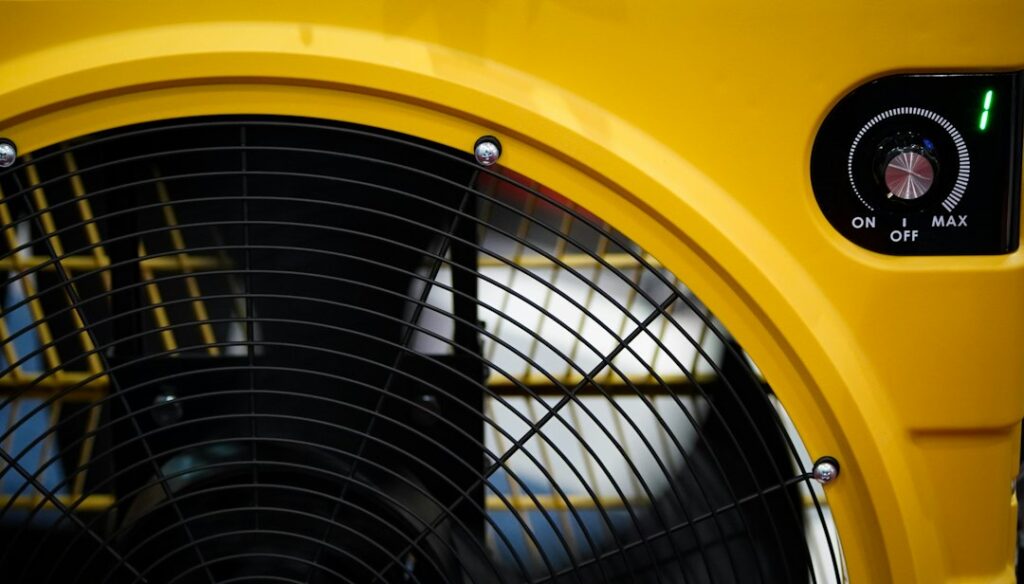
Discuss condo water damage access while equipment is operating. Tell the team about pets, children, mobility needs and any bathroom or hallway that provides the household’s only practical route. Keep equipment and work-area arrangements as agreed. If a machine stops, new water appears or a ceiling changes, contact the responsible team rather than adjusting the setup or entering the affected area yourself.
Before condo water damage reconstruction, review the ceiling and wall areas included, material choices, paint boundaries and any work assigned to another provider. Ask how transitions to existing finishes will be handled. Replacement of one affected area does not automatically mean every finish in the home is included. Retain the source-repair record so the ceiling water damage repair team understands what has already been addressed.
6. Review completed condo water damage repairs
At the final condo water damage walkthrough, compare completed work with the agreed scope and approved changes. Record remaining tasks, product information and the contact for follow-up questions. Keep photographs, estimates, authorizations and invoices in one project folder. These records help the owner and building representatives understand what was inspected and restored without implying that work outside the documented scope was performed.
For Las Vegas, Henderson or North Las Vegas, call Presto Water Damage at 725-529-5195 or request restoration service. Explain the property location, affected rooms, whether water is still active and who can arrange access. Condo water damage should be evaluated according to the current building conditions and the permissions needed for the proposed work.
When fixing ceiling water damage, keep responsibility questions separate from decisions about safe access and necessary protective work. Ask who will receive updates and approve changes involving shared assemblies. If adjoining access is delayed, record who is arranging it and which findings remain uncertain. A condo water damage scope should identify those limits clearly, rather than implying that every concealed area has been inspected.