On this page
From Mitigation to Rebuild: The Full Water Damage Restoration Process is a common question for property owners dealing with a leak or water loss in Southern Nevada. Water damage restoration is a sequence: source control, extraction, moisture mapping, drying, cleaning or demolition, documentation, and reconstruction. Understanding the phases helps homeowners and property managers know why equipment, demolition, and rebuild work may happen at different times.
Water damage restoration process: start with the source
The first priority is stopping or isolating the source when it is safe to do so. Restoration work cannot stay effective if water is still entering the building. Once the source is controlled, the affected area can be evaluated more accurately.
1. Initial call and safe access
The water damage restoration process starts with a clear description of the loss. Tell the team where the property is, which rooms you can see are affected, whether water is still entering, and whether you are onsite. Explain access restrictions and identify the person who can arrange entry. A useful first report separates what you observed from what you suspect happened.
Do not walk through standing water near electrical equipment or stand beneath a sagging ceiling to investigate. Describe the condition from a safe location. The initial call is for arranging the next step; it does not replace a site evaluation or establish that a room is safe to occupy. If the source or duration is unknown, say so rather than guessing.
2. Source control and the first inspection
Source-related repairs and the water damage restoration process need to be coordinated. Ask who will evaluate the leak and who will handle any required plumbing, roofing, or appliance service. Keep the relevant service records together. A ceiling patch or new floor does not resolve an active water source, and stopping a leak does not establish the condition of the building materials.
During inspection, ask how the affected rooms and materials will be recorded. The team should explain where further access may be needed and what remains uncertain. A room list and photographs can help you connect the proposed scope with the property walkthrough. Make sure everyone uses the same names for rooms and affected areas.
3. Extraction and material decisions
In the water damage restoration process, extraction addresses water that can be removed before further drying work. Ask which areas are included and what the proposed work involves. If removal of damaged finishes is recommended, request an explanation of the materials and locations involved. The plan should reflect the inspection rather than a blanket promise that all wet finishes can remain.
Different tasks may overlap, so a project does not always follow a perfectly straight sequence. Access, the source, material condition, and the agreed scope can affect the order. Ask how findings that change the plan will be communicated. Keep approved changes with the proposal so the current scope is clear to the owner and the person arranging access.
4. Structural drying and progress reviews
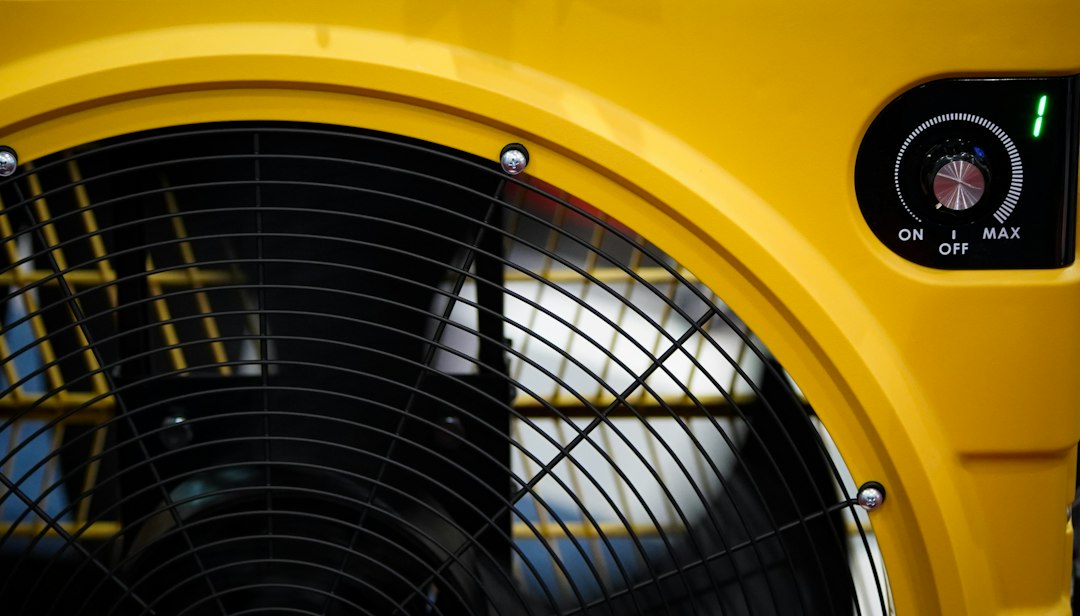
The drying stage of the water damage restoration process concerns moisture remaining in affected materials. Ask which materials the team is evaluating, how progress will be reviewed, and what information you will receive. A dry-looking surface is not the same as a documented evaluation of the assembly. The discussion should connect the equipment and checks with the actual work area.
Follow the access and equipment arrangements discussed with the restoration team. If equipment stops, a new leak appears, or an occupied area changes, contact the team rather than moving or adjusting the setup yourself. Ask what household members need to know about restricted areas, pets, and safe routes through the property. Keep the main contact number available.
5. Documentation and scope updates
Documentation connects the stages of the water damage restoration process. Keep the discovery timeline, photographs, source-related records, proposals, approvals, and invoices in one folder. If you do not know when the leak began, record the discovery time and last known observation separately. Later findings can be added as dated updates without rewriting the original account.
Ask the provider to identify the current proposal when the scope changes. Review the affected rooms and the reason for added work. If you contact an insurer, ask that organization what records it needs; the restoration proposal does not establish coverage. Clear records help each person follow what was observed and agreed without reconstructing the project from scattered messages.
6. Reconstruction and finish selections
Reconstruction is the finish-work stage of the water damage restoration process. Review the proposed areas for drywall, texture, paint, trim, flooring, and cabinets where applicable. Ask which quantities or selections remain open and how transitions to existing finishes will be handled. Keep additional improvements separate in the scope so restoration work and optional changes are understandable.
Discuss the conditions for scheduling reconstruction with the team. Ask what must be completed or reviewed first and which decisions you need to make. A general completion estimate may change when selections, access, or source-related work remain unresolved. Request an explanation tied to your property rather than assuming every loss has the same drying or rebuilding schedule.
7. Final walkthrough and project records
The final walkthrough closes the water damage restoration process against the agreed scope. Review the included rooms, completed finishes, and any open items with the relevant representative. Keep a short list of questions and record the follow-up arrangement. Reopening one room or removing equipment does not by itself explain the status of every task on the proposal.
Retain the completed project records where you can find them later. Source repairs, restoration services, and finish work may have been handled at different times or by different providers. A clear file helps you understand which areas were addressed and whom to contact with a question. Ask for clarification before assuming a service or finish was included.
For background on moisture and prompt response, see the EPA introduction to mold and moisture. Questions about the water damage restoration process in Las Vegas, Henderson, or North Las Vegas? Call 725-529-5195. Presto Water Damage: Licensed, Insured, Bonded.
Water damage restoration process: questions before work starts
Ask which stages are included in your agreement, who handles the source repair, and how changes are approved. The water damage restoration process is easier to follow when the proposal identifies the affected rooms and the next decision. Keep one main contact for scheduling and another clearly identified representative for scope approvals if those roles belong to different people.
For the water damage restoration process at your property, share access limitations, occupancy needs, and available photographs before the visit. Ask the team to explain any unfamiliar term in the proposal. You should understand what is being proposed and what remains outside the agreement before authorizing the relevant work.
For professional water damage restoration, ask how the water damage restoration services in your agreement connect with the inspected materials. Extraction, drying, cleaning, removal and reconstruction serve different purposes. The water damage restoration process should identify the next decision for each affected area rather than treating every stage as one undefined service.