On this page
Condo water damage can begin with an upstairs overflow, even when you have taken good care of your own home. Living in a condominium in Las Vegas has its advantages. You have your own place, neighbors nearby, and a community around you. But when homes share walls and ceilings, something that happens in another unit can suddenly become a problem inside yours.
Imagine you live on the first floor. Everything in your bathroom is fine. Then the bathtub in the second-floor apartment overflows. Water finds a path through the floor above, and before long, your ceiling is wet. You did not leave a faucet running. You did not cause the overflow. Yet your home is the one with water coming through the ceiling.
That is the difficult part of condominium living: you can take good care of your own home and still experience ceiling water damage from upstairs.
An upstairs problem becomes your downstairs repair
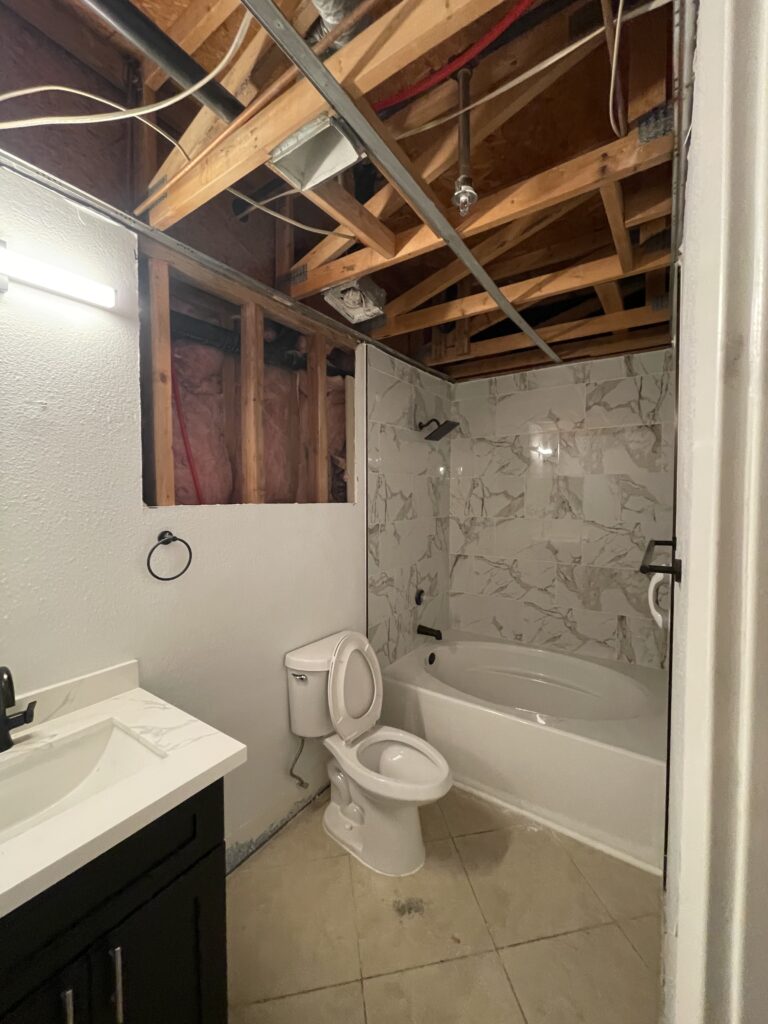
This Las Vegas job is a reminder of what can happen when water travels between units. The bathroom photo shows ceiling drywall and a section of wall removed, with framing and utilities exposed. When you look at an opening like that above a bathtub, it is easy to understand why an upstairs overflow can mean much more than repainting a stain.
The visible stain may be only part of the problem. Water can reach the space above the ceiling and surrounding building materials. Before everything is closed back up, affected areas need to be checked, damaged materials addressed, and the structure dried as needed. A bathroom that looked finished can become a repair project because of an incident in somebody else’s home.
For the person living downstairs, that is frustrating. Your routine changes. You have people coming in to inspect the damage. You may be talking with the upstairs resident, property management, and an insurance company while trying to keep your household moving.
Your own coverage still matters
It is natural to think, “The water came from upstairs, so their insurance will take care of everything.” But that is not something a condo owner should assume.
A condo unit-owner policy, often called an HO-6 policy, may help cover sudden and accidental water damage coming from another unit. What actually applies depends on the cause, the policy’s terms, limits, deductible, and exclusions, as well as the condominium association’s master policy and governing documents. The upstairs resident’s responsibility is a separate question; it is not an automatic promise that their insurer will pay your entire repair bill.
The conversation with your insurance agent can be very simple: “If my upstairs neighbor overflows a bathtub and water damages my ceiling, walls, flooring, or belongings, what does my policy cover?” It is also worth asking about additional living expenses if a covered loss makes your home unlivable. Understanding those answers before anything happens is much easier than discovering a gap while your ceiling is open.
And although we often say an upstairs neighbor “flooded” the apartment, an indoor bathtub overflow is generally treated differently from outside floodwater in insurance policies. The actual cause of the water damage matters. If you rent your condo instead of owning it, ask about renters coverage for your belongings and temporary housing; the building owner’s coverage serves a different purpose.
The point is peace of mind. You want to know what protection you have for your own home, even when the water starts somewhere else.
Getting your Las Vegas condo back to normal
At Presto Water Damage, we help with water extraction, structural drying, damaged drywall and ceiling repairs, and the rebuild work that follows. We can document the affected areas and the restoration work for your records. Your insurer determines coverage under your policy.
Living downstairs should not mean feeling unprotected. An upstairs overflow may be outside your control, but understanding your insurance and having a local restoration team to call can make a stressful situation easier to manage.
For condo water damage in Las Vegas, Henderson, or North Las Vegas, call Presto Water Damage at 725-529-5195. Emergency calls are answered 24/7. Licensed, Insured, Bonded.
Coverage background: Allstate’s explanation of condo water damage coverage. Your own policy and association documents determine the coverage available for a particular loss.
1. Keep people away from an unsafe ceiling
With condo water damage from upstairs, start by keeping people away from the affected area when there is sagging material, falling debris, standing water near electrical equipment, or another unsafe condition. Do not stand beneath a damaged ceiling to photograph it. A description from a safe, dry location is enough to begin the conversation with the appropriate building contact and restoration provider.
Tell the caller what you can actually see, which room is involved, and whether water is still entering. If you do not know the source, explain that it appears to be coming from above without assigning a cause. Do not enter another unit or investigate a shared service area on your own. The next step should reflect the condition of the building and the people authorized to address it.
2. Notify the right building contacts
A condo water damage response often involves more than the person living downstairs. Contact the building manager or appropriate association representative and explain the affected unit and rooms. If you have a safe way to reach the upstairs occupant, report the observed leak without making an accusation about its cause. Keep the focus on stopping continuing damage and arranging the necessary evaluation.
Ask who will coordinate access to the relevant areas and who should receive updates. An owner, tenant, manager, and restoration team may each have a different role. A clear contact list reduces confusion about appointments and decisions. Keep private access instructions out of public comments and reviews; communicate those details through the direct arrangement established with the building representative and service provider.
3. Document what you know about the loss
For condo water damage, record when you discovered the condition, which rooms you observed, and whether water was still entering at that time. Separate that information from a guess about when the leak began. If someone else first reported it, keep their message with your notes. A simple timeline is easier to understand than conflicting estimates of the duration.
Take photographs only from safe locations and retain the original files. Show the affected ceiling, surrounding walls, flooring, and belongings where appropriate. Keep messages about source-related visits and restoration appointments in the same folder. If an important detail changes after inspection, add a dated note instead of rewriting the discovery account as though the later information was known from the start.
4. Ask for a room-specific inspection and scope
The visible stain is the starting point for a condo water damage discussion, not a complete description of the work. Ask the restoration team which rooms and building materials are included in its evaluation. Describe adjacent spaces and changes you have noticed. If access behind a finish is proposed, request an explanation of the purpose and the areas involved before authorizing that work.
Review the proposed scope alongside the room list. Ask what is included for extraction, material removal, drying, and reconstruction, and identify which questions require additional inspection or coordination. The plan for your bathroom may differ from the plan for a neighboring room. Avoid assuming that a general cleanup description includes every damaged item, every finish, or work in another unit.
5. Coordinate drying and everyday access
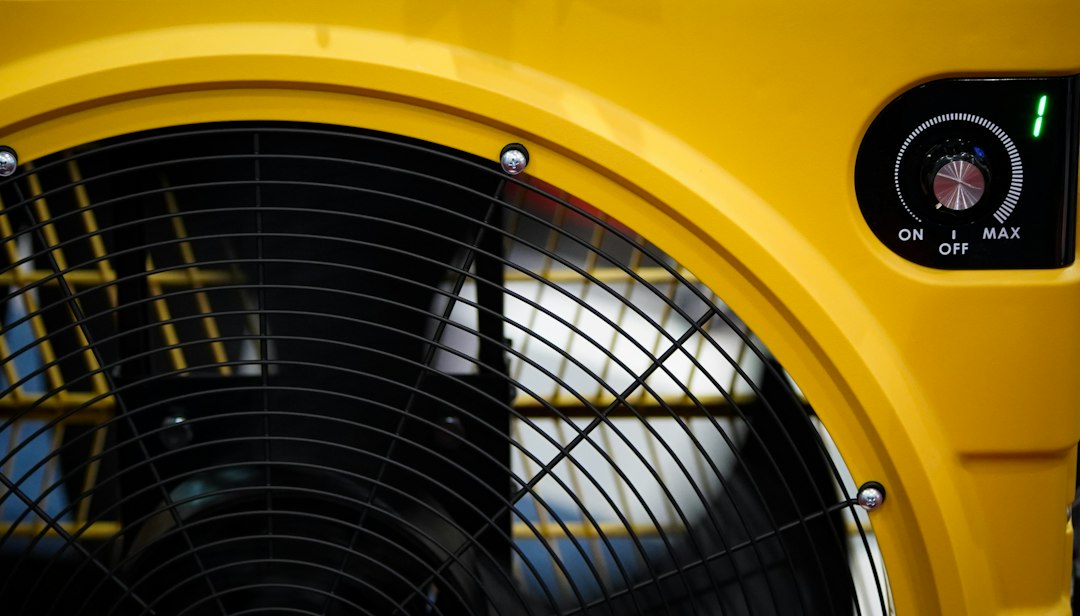
Condo water damage can disrupt a small home even when the affected area is limited. Discuss how the work area affects the bathroom, hallway, doors, and daily access. Explain whether anyone in the household needs help moving around and whether pets will be present. These practical details should be discussed before equipment and work boundaries are arranged.
Ask whom to contact if equipment stops, water appears again, or the household arrangement changes. Do not move equipment or adjust the setup without consulting the team. Keep the agreed access route clear when it is safe to do so, and tell other occupants which areas are restricted. A predictable arrangement helps the household understand the next appointment and whom to call with a concern.
6. Review the transition from drying to repairs
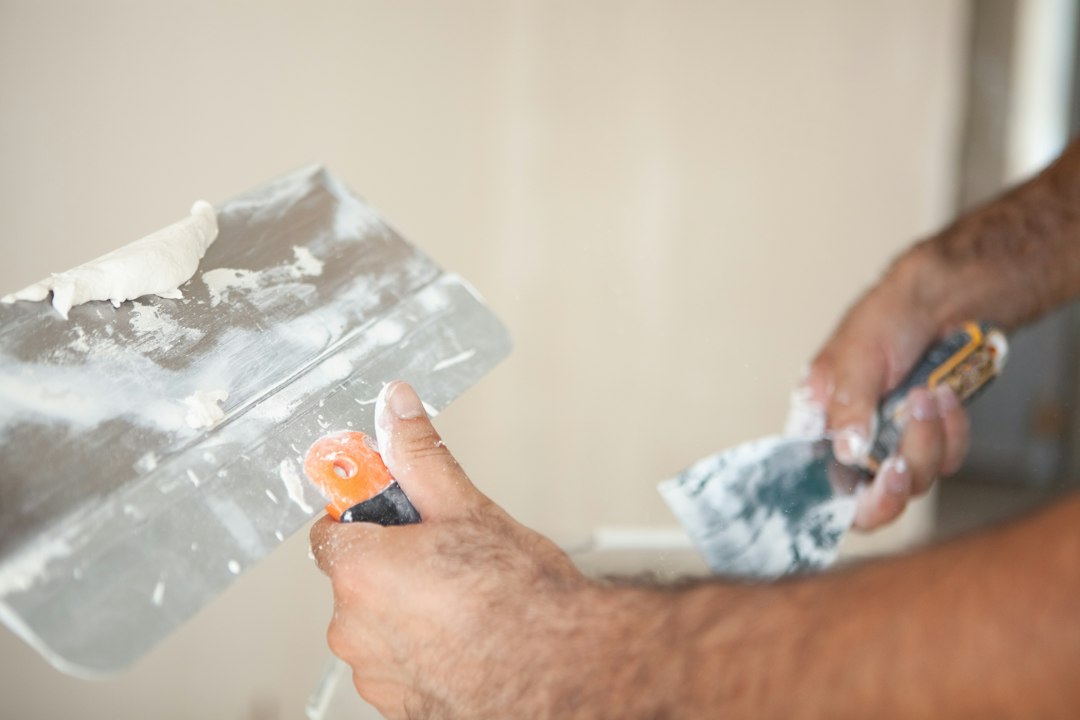
The repair stage after condo water damage should have a clear scope. Ask which ceiling areas, wall finishes, paint, trim, and flooring are included, and which selections remain open. Review transitions to existing finishes before products are ordered or repairs scheduled. If you want additional upgrades beyond the affected area, request a separate description so the decisions remain understandable.
Keep records of source-related work with the restoration documents. Ask what information is needed before the proposed reconstruction can proceed. A dry-looking surface does not explain what has been evaluated, and a new finish does not explain whether the original leak has been addressed. The team should be able to describe the completed work and the remaining steps in terms that connect to your unit.
7. Keep one record through the final walkthrough
Organize condo water damage records in a single folder containing photographs, contact information, inspection notes, proposals, approvals, and invoices. Identify the current version when a scope changes. If several people are discussing the work, agree on who receives routine updates and who reviews proposed changes. That arrangement helps avoid inconsistent instructions about access or scheduling.
Before the final walkthrough, review the agreed scope and make a short list of questions. Walk through the included rooms with the relevant representative when possible. Discuss any open items and keep the follow-up arrangement with your project record. Retaining the documents provides a useful account of the work instead of relying on memory about which ceiling or finish was repaired.
Questions to ask during a downstairs-unit inspection
When discussing condo water damage, ask which materials have been evaluated and which areas still need access or further investigation. Ask the team to explain the difference between observed conditions and assumptions about the source. If the cause has not been confirmed, the documents should not present a guess as a fact. A clear explanation helps you understand why particular work is being proposed.
You can also ask how the affected area will be documented, who will explain progress, and how additional findings are handled. Keep the questions tied to your property rather than expecting every upstairs leak to follow one schedule. The duration, access, materials, and scope need to be discussed before a meaningful plan can be understood. Write down any unresolved question and the person responsible for answering it.
Working with a landlord or managing a rental condo
If you rent a unit with condo water damage, report the observed condition to the appropriate property contact and explain any immediate access concerns. Ask whom to coordinate with for restoration appointments and keep records of those arrangements. Do not assume you can authorize work in shared areas or another unit. Make sure the people arranging the visit know your role and how to reach the responsible representative.
For an owner managing the property remotely, establish a local contact who can arrange entry and provide updates from the unit. That person should not be expected to perform repairs or enter an unsafe room. Give the restoration team a reliable way to reach the owner for scope questions. A clear division between entry arrangements and work decisions helps the visit proceed with fewer misunderstandings.
Planning for the inspection without disturbing evidence
Before a condo water damage appointment, gather photographs, relevant messages, and any source-related service notes already available. Do not delay urgent help while trying to create a complete file. Tell the team what is known and what remains uncertain. A short list of affected rooms and questions can be more useful at the first visit than a long account containing unverified conclusions.
Do not remove damaged finishes simply to show what might be behind them. Ask the restoration provider to explain the proposed inspection and access work. If belongings can safely remain in place until evaluation, photograph their condition from a safe location. Where an immediate condition requires action, discuss the next step with the appropriate qualified provider rather than relying on this article as a work instruction.
Before another upstairs overflow occurs
After condo water damage has been addressed, keep the building contact list somewhere accessible. Confirm how to report an after-hours water problem and who can coordinate entry. Ask the appropriate property representative about maintenance questions affecting your unit. Knowing the contact arrangement in advance can make the first report clearer when something happens outside normal office hours.
Keep your own records current when the property manager, tenant, or local contact changes. If leak sensors are used in your unit, follow their instructions and make sure someone can respond to a notification. A notification alone does not arrange access or repair a source. The practical goal is a response arrangement that people understand and can follow without entering an unsafe area.
Frequently asked questions about the restoration visit
Can I photograph the damage before calling? Take photographs if you can do so safely, but do not delay urgent assistance or enter a hazardous room for a better picture. Does the downstairs ceiling need to be opened? That decision requires the property evaluation and a discussion of the proposed work. Ask what the team needs to inspect and why access is being recommended.
Does a repair estimate include every room? Review the written scope and ask which areas are included. Can I choose different finishes? Discuss those choices and any additional work before approval and scheduling. For condo water damage in Las Vegas, the most useful next step is a property-specific conversation that connects the observed condition, proposed work, and people responsible for access.
Condo water damage: local help and related resources
Read about damage documentation, moisture behind baseboards, restoration services, Las Vegas, Henderson, and North Las Vegas. For condo water damage assistance, contact Presto Water Damage or call 725-529-5195.
When you call about condo water damage, tell us whether you are the owner, occupant, or property representative. Explain the affected room, whether water is still entering, and who can arrange access. We can discuss the next step based on the current conditions and response availability for your location.