

On this page
Reconstruction after water damage connects the completed mitigation work with repairs to the affected rooms. This Las Vegas guide explains the decisions to review before drywall, paint, flooring, and cabinet work is scheduled.
1. Confirm the handoff from mitigation
Reconstruction after water damage begins with a clear understanding of the work already performed. Ask for a review of source-related repairs, affected materials, and the status of mitigation and drying. Keep those records available to the people planning the rebuild. Removing equipment or seeing a clean floor does not by itself explain the status of every affected room.
Ask which decisions still need to be resolved before finish work is scheduled. There may be questions about access, materials, or the scope that require another discussion. A clear handoff identifies what is complete, what remains, and who is responsible for the next step. Avoid scheduling a new finish around an assumption that the earlier work has addressed every concern.

2. Define the repair boundaries by room
The proposal for reconstruction after water damage should identify the rooms and building components included. Review walls, ceilings, floors, trim, cabinets, and other finishes where applicable. Use the same room names as the inspection records. This makes it easier to connect a line item in the proposal with the actual space rather than relying on a general promise to restore the house.
Ask how repair boundaries relate to adjacent finishes. A damaged section of drywall may raise a separate paint or texture question. A flooring patch may require a discussion about a transition. Before authorizing work, identify which areas are included and which are excluded. Keep any agreed changes with the current proposal so the people reviewing the work use the same scope.
3. Review drywall, texture, and paint together
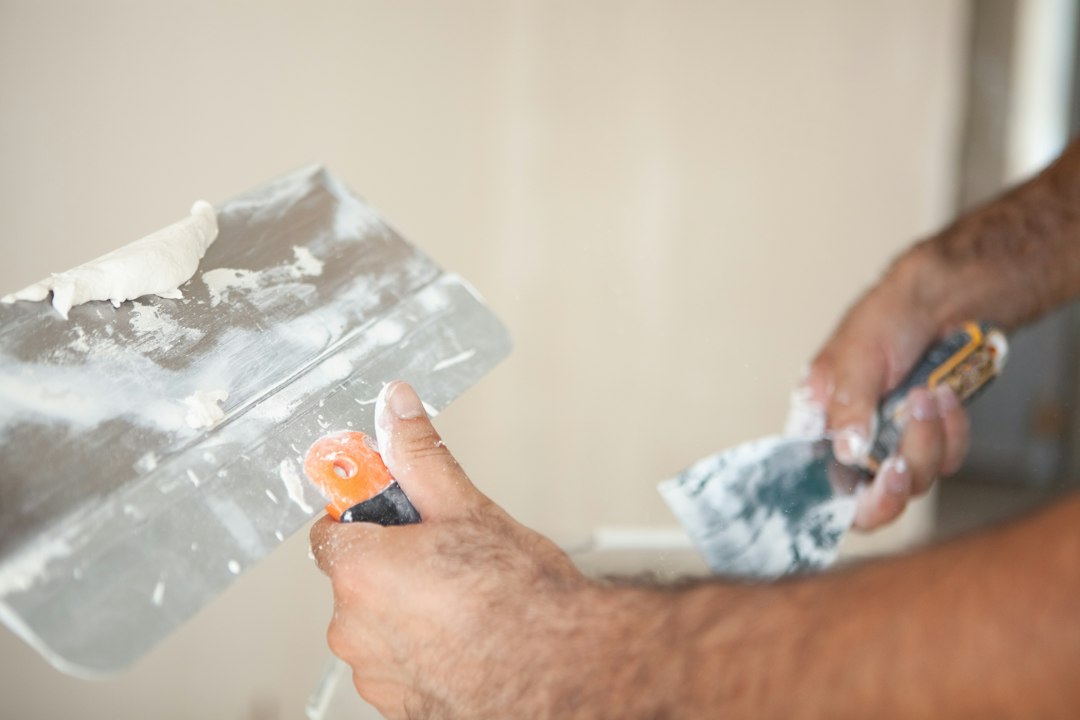
For reconstruction after water damage, ask how the wall and ceiling repair will be finished. Drywall replacement, texture work, primer, and paint are related tasks, but a proposal should explain what is included. Discuss the visible boundaries and the adjacent surfaces before work begins. Do not assume that repairing one area means every wall in the room will be repainted.
Share any available paint information, but let the provider explain the proposed matching approach and its limits for the existing condition. If you want a different color or broader repainting, request a separate description. Keeping restoration and optional changes understandable helps avoid confusion about selections, quantities, and the finished result.
4. Choose flooring with the transition in mind
Flooring decisions during reconstruction after water damage should consider the area included in the agreement and the connection to existing floors. Ask which rooms, thresholds, baseboards, and transitions are part of the proposed work. A selected product should be discussed alongside the condition and preparation of the area where it will be installed.
If the original flooring is unavailable, ask what alternatives are being proposed and which decisions require your approval. Keep the current selection with the project records. Do not assume that a product with a similar color has the same profile or creates the same transition. Ask the provider to explain the practical arrangement at doorways and adjoining rooms before scheduling installation.
5. Clarify cabinet and trim work
Reconstruction after water damage may include cabinet components, vanities, baseboards, or trim depending on the affected area. Ask exactly which pieces are being repaired or replaced. A toe kick, an end panel, a door, and a complete cabinet unit are different parts of the scope. Review the relationship to countertops, fixtures, and adjacent finishes when those items are involved.
For trim, discuss the profile, dimensions, finish, and length of the replacement run. Keep optional work beyond the affected area separate in the proposal. If a material cannot be matched exactly, ask the provider to explain the proposed finish boundaries. These decisions are easier to understand before products are ordered or existing components are removed for the repair stage.
6. Separate restoration from additional improvements
When planning reconstruction after water damage, you may also want changes unrelated to the loss. A different floor, a new cabinet arrangement, or broader painting can be discussed, but ask for a separate written description. The restoration scope should remain understandable even when additional work is considered. This helps you compare the planned services and make informed scheduling decisions.
Ask how an optional change affects the proposal, selections, and timing before approving it. Retain the updated agreement instead of relying on a verbal request made during a site visit. If several people are involved, identify who reviews changes. Clear decisions reduce the chance that one person expects an improvement while another is scheduling only the original repair.
7. Plan the walkthrough before the last appointment
The walkthrough for reconstruction after water damage should connect the completed work with the current scope. Make a short room-by-room list of the included tasks and the questions you want answered. Review finish boundaries, selected materials, and open items with the relevant representative. Keep the follow-up arrangement with the project records.
Retain invoices, source-related service notes, photographs, approvals, and relevant product information where you can find them later. A completed project file helps you understand what was addressed and whom to contact with a question. Do not rely only on the appearance of a finished room to describe the earlier mitigation and repair history.
Coordinating an occupied home during rebuilding
Reconstruction after water damage can affect daily access to kitchens, bathrooms, bedrooms, or work areas. Explain household needs before scheduling. Discuss entry routes, pets, stored belongings, and anyone who needs assistance moving around. Ask which areas will be restricted and what the occupants should know about the planned appointments.
Keep one reliable contact for access and routine scheduling. If the household arrangement changes, tell the provider so the plan can be reviewed. Do not move work materials or enter a restricted area to reopen a route without discussing it with the team. Practical coordination helps the repair work fit the actual occupancy conditions.
Reconstruction after water damage and the water damage restoration process
Does a drying agreement include reconstruction after water damage? Review the written scope because the services may be proposed separately. Can repairs start as soon as the surface looks dry? Ask the team what has been evaluated and what must be completed or reviewed first. The answer should be tied to your property rather than a generic promise.
Can I change the finishes? Discuss the proposed selections and any optional changes before approval and scheduling. Will the whole room be painted? Ask which surfaces are included. Who handles a new finding? Agree on how it will be reported and approved. Reconstruction after water damage is easier to follow when the work, exclusions, and remaining decisions are clear.
The EPA introduction to mold and moisture provides background on moisture concerns. To discuss reconstruction after water damage in Las Vegas, Henderson, or North Las Vegas, call 725-529-5195. Licensed, Insured, Bonded.
Professional water damage restoration separates source repair, drying and dehumidification, and reconstruction decisions. Ask which water damage restoration services were completed before finishes are installed. Keep the relevant findings with the repair agreement so the scope explains the materials retained, removed and replaced.